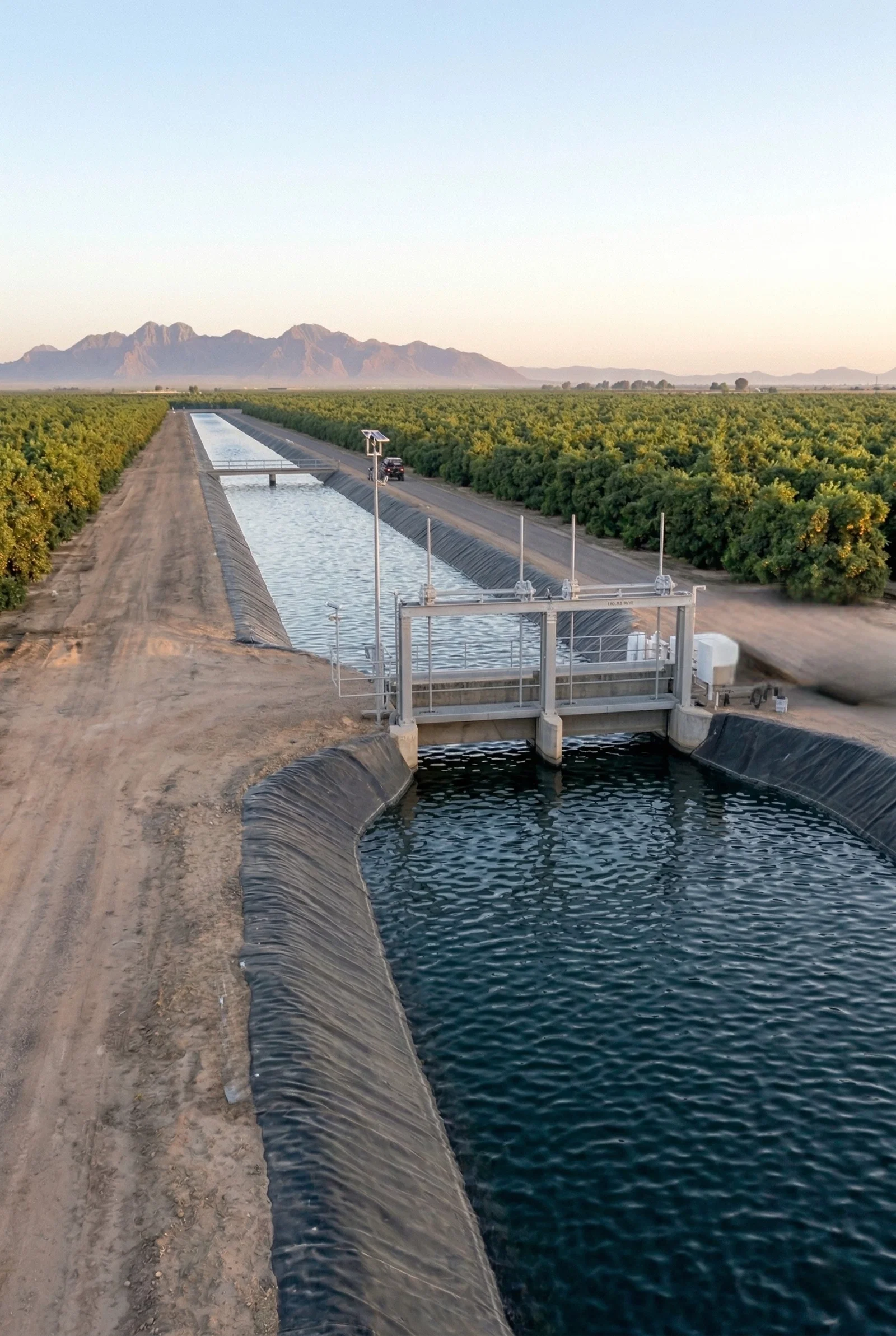
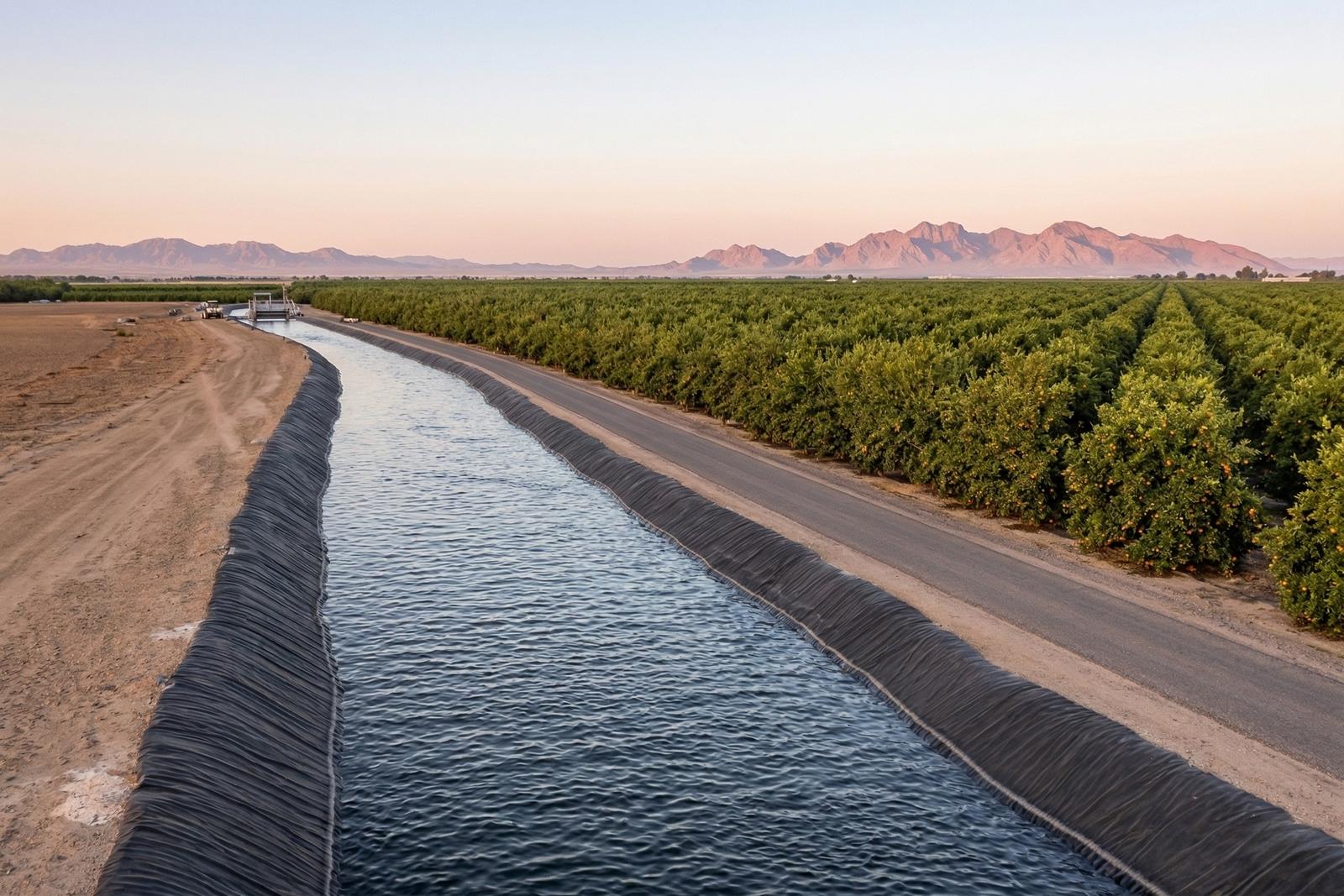
Before pouring concrete into the channel during the insulation of HES or irrigation channels, a membrane is laid. If concrete has already been poured into the channel, water leakage caused by dilatations or settlement cracks will reduce the flow, so a membrane is laid over the concrete to provide water tightness. Water transmission channels are structural elements built to transport, direct, and store water from one point to another. These channels are used for various purposes such as irrigation, drinking water supply, industrial use, power generation, and flood control. Water transmission channels help both in the efficient use of natural water resources and in the safe management of water.
Water Transmission Channel Types:
Open Channels: These channels are watercourses that are open on the surface. Natural watercourses such as ditches, canals, or streams can be used as open channels. Maintenance and cleaning of open channels should be done regularly.
Closed Pipes: These channels are closed systems where water is transported through pipes or tunnels. Such channels allow water to be transported between source and use points. The material of the pipes is usually steel, PVC, or concrete.
Promotion Channels: Promotion channels are channels where water is moved from a higher point to a lower point. These channels move water from top to bottom for irrigation.
Distribution Channels: Distribution channels are channels that direct water to specific areas according to irrigation or drinking water needs.
Water Transmission Channel Functions:
Irrigation: Water transmission channels provide the transport of water for irrigating agricultural areas. This supplies water to crop growers and increases productivity.
Drinking Water Supply: Water transmission channels are used to meet the drinking water needs of cities or settlements. These channels transport water from the source to the city.
Energy Production: Water transmission channels are used to transport water for hydroelectric power plants and irrigation energy production.
Industrial Use: Water transmission channels are used for transporting and processing water in industrial facilities.
Flood Control: Water transmission channels are used to control floods and direct water during heavy rainfall.
Water Transmission Channel Maintenance and Cleaning: Regular maintenance and cleaning of water transmission channels is important. This prevents channel blockage, contamination of water sources, and ensures proper water transport. Channel cleaning includes removing vegetation and foreign materials.
Water Management: Water transmission channels help manage water resources sustainably. In areas where water resources are limited, efficient use and prevention of waste are important. Water transmission channels are important infrastructure elements that help transport and distribute water safely. These channels play a critical role in many sectors such as agriculture, industry, energy production, and drinking water supply.
Membrane applications are a very effective method for efficient use of water in water transmission channels and reducing losses. Water membranes help reduce evaporation, seepage, and loss of water along the channels. Below you can find more information about the advantages of membrane applications in water transmission channels and the areas where they are commonly used:
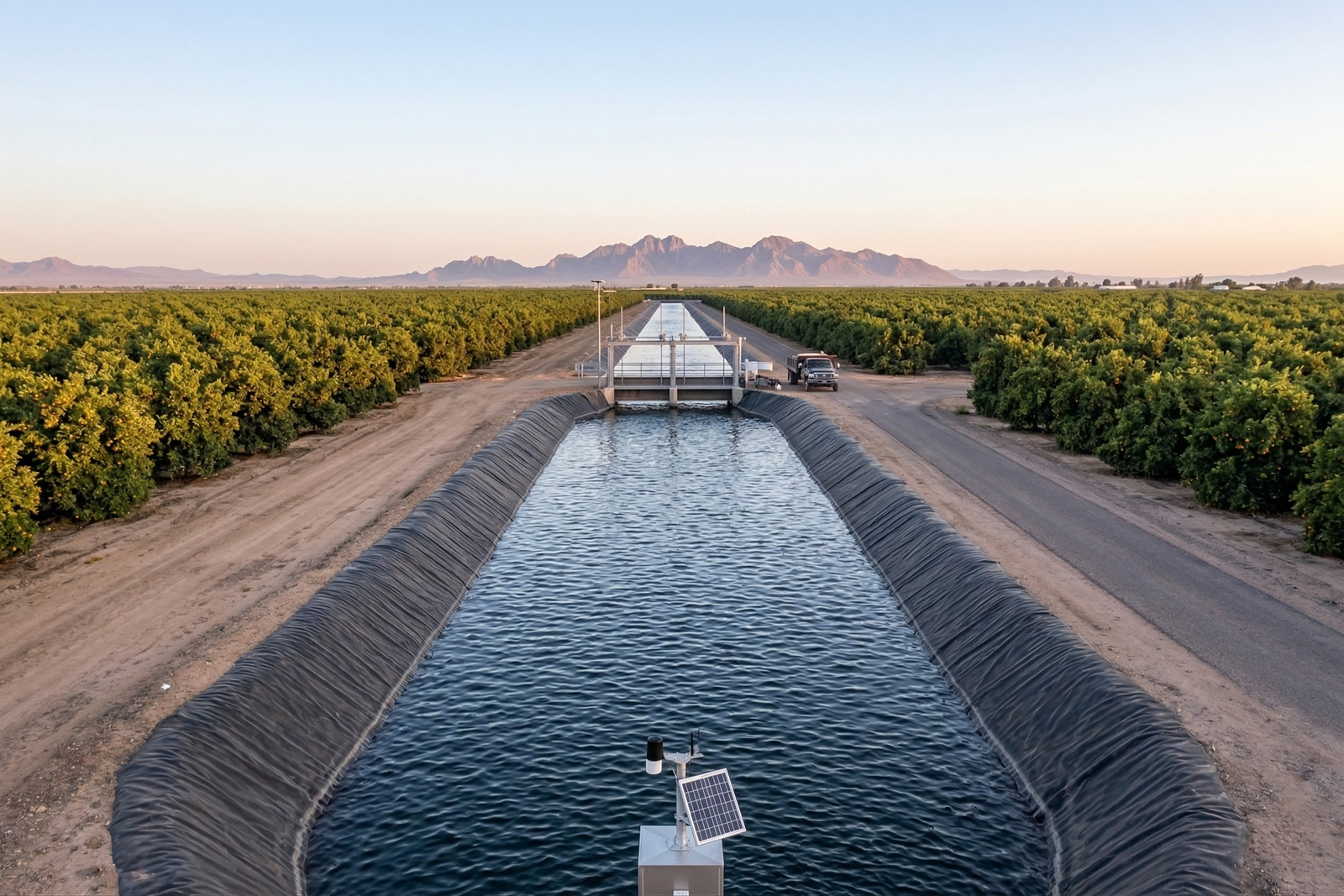
Advantages of Membrane Applications:
Water Conservation: Water membranes reduce evaporation, preventing water loss. This allows for more efficient use of water resources.
Sealing: When applied to channel walls or bottoms, water membranes prevent water from seeping out of the channel. This stops water loss and ensures water reaches the intended area.
Water Quality: Membranes can prevent water from becoming contaminated and from coming into contact with soil. This preserves water quality and makes it more suitable for irrigation.
Ease of Maintenance: Membranes facilitate channel maintenance and cleaning. They reduce algae formation and protect the channel surface.
Long Life: High‑quality water membranes are durable and can last for many years, providing cost savings.
Common Areas of Use:
Agricultural Irrigation Channels: In agricultural areas, water membranes are used to directly deliver water to plants and minimize losses.
Industrial Water Transport: In industrial facilities, membranes can be used for transporting process water and cooling water.
Water Treatment and Storage of Treated Water: Membranes are used for storing and distributing purified water, which also applies to drinking water supply.
Flood Control: Membranes can be used in channels to direct and control water during floods.
Hydroelectric Power Plants: Water membranes are used in hydroelectric plants for storing water and generating energy.
Water membranes are an important tool for minimizing water loss in water transmission channels and promoting efficient water use. The selection and application of membranes should be carefully planned according to local needs and conditions. Professional engineers and experts can provide consulting on water membranes and offer the most suitable solution.
Sealing: When applied to channel walls or bottoms, water membranes prevent water from seeping out of the channel. This stops water loss and ensures water reaches the intended area.
Water Quality: Membranes can prevent water from becoming contaminated and from coming into contact with soil. This preserves water quality and makes it more suitable for irrigation.
Ease of Maintenance: Membranes facilitate channel maintenance and cleaning. They reduce algae formation and protect the channel surface.
Long Life: High‑quality water membranes are durable and can last for many years, providing cost savings.
Common Areas of Use:
Agricultural Irrigation Channels: In agricultural areas, water membranes are used to directly deliver water to plants and minimize losses.
Industrial Water Transport: In industrial facilities, membranes can be used for transporting process water and cooling water.
Water Treatment and Storage of Treated Water: Membranes are used for storing and distributing purified water, which also applies to drinking water supply.
Flood Control: Membranes can be used in channels to direct and control water during floods.
Hydroelectric Power Plants: Water membranes are used in hydroelectric plants for storing water and generating energy.
Water membranes are an important tool for minimizing water loss in water transmission channels and promoting efficient water use. The selection and application of membranes should be carefully planned according to local needs and conditions. Professional engineers and experts can provide consulting on water membranes and offer the most suitable solution.