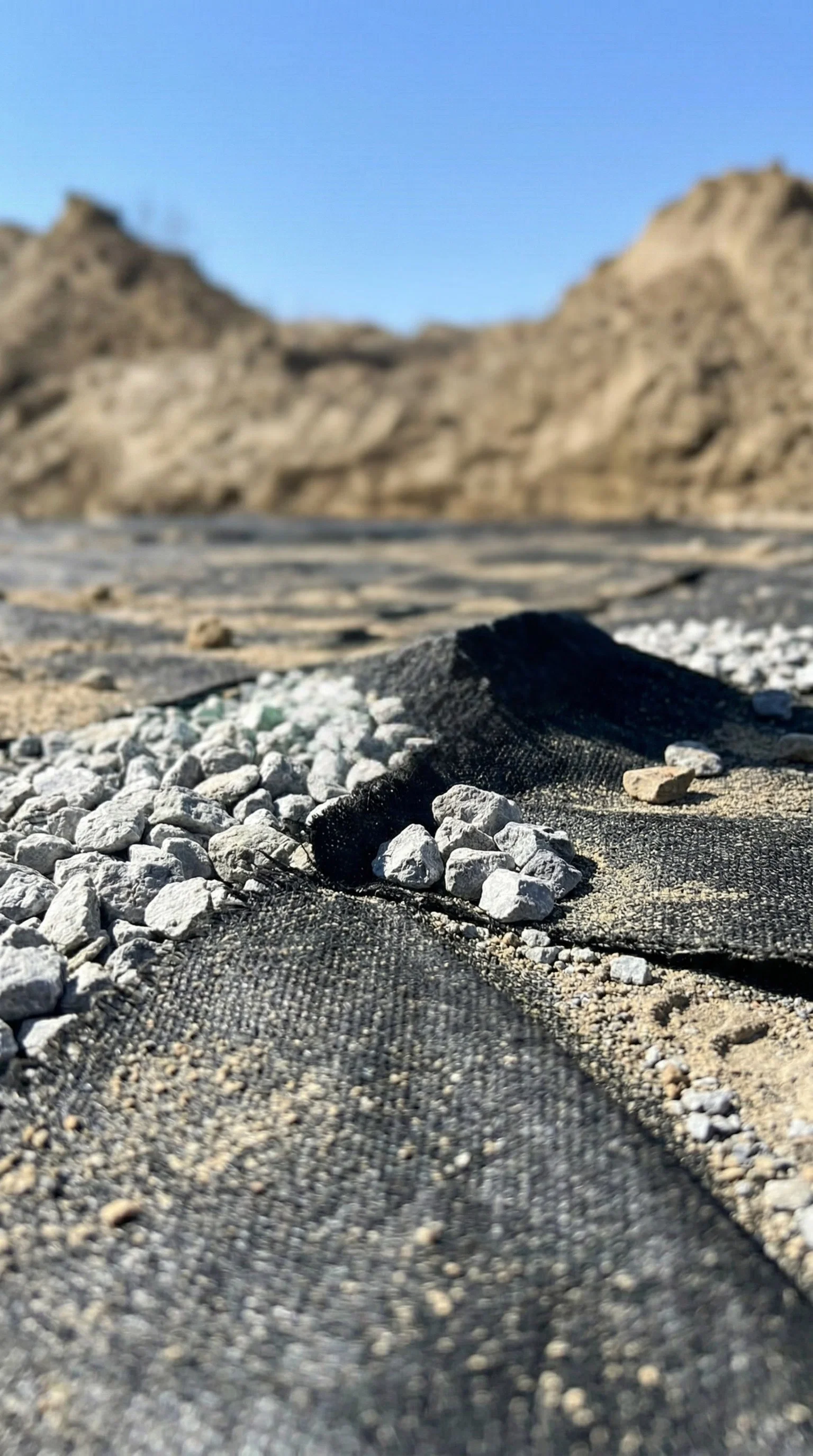
Nonwoven geotextiles are nonwoven textile products produced in dark colors by stitching and heat treating pure polyester fibers that are much finer than a millimeter.
**Applications and Use Areas**
**For Filtration Purposes**
In engineering applications where coarse and fine materials are used together, it is employed as an intermediate filter material to prevent the fine material from clogging the pores of the other material or from causing washing events.
The IzoTeknik, recommended as a filter and bedding material for effective control and guidance of water, is used in the following areas:
- In French drain channels
- In perforated pipe linings
- In vertical applications such as tunnels and retaining walls
- In coastal structures
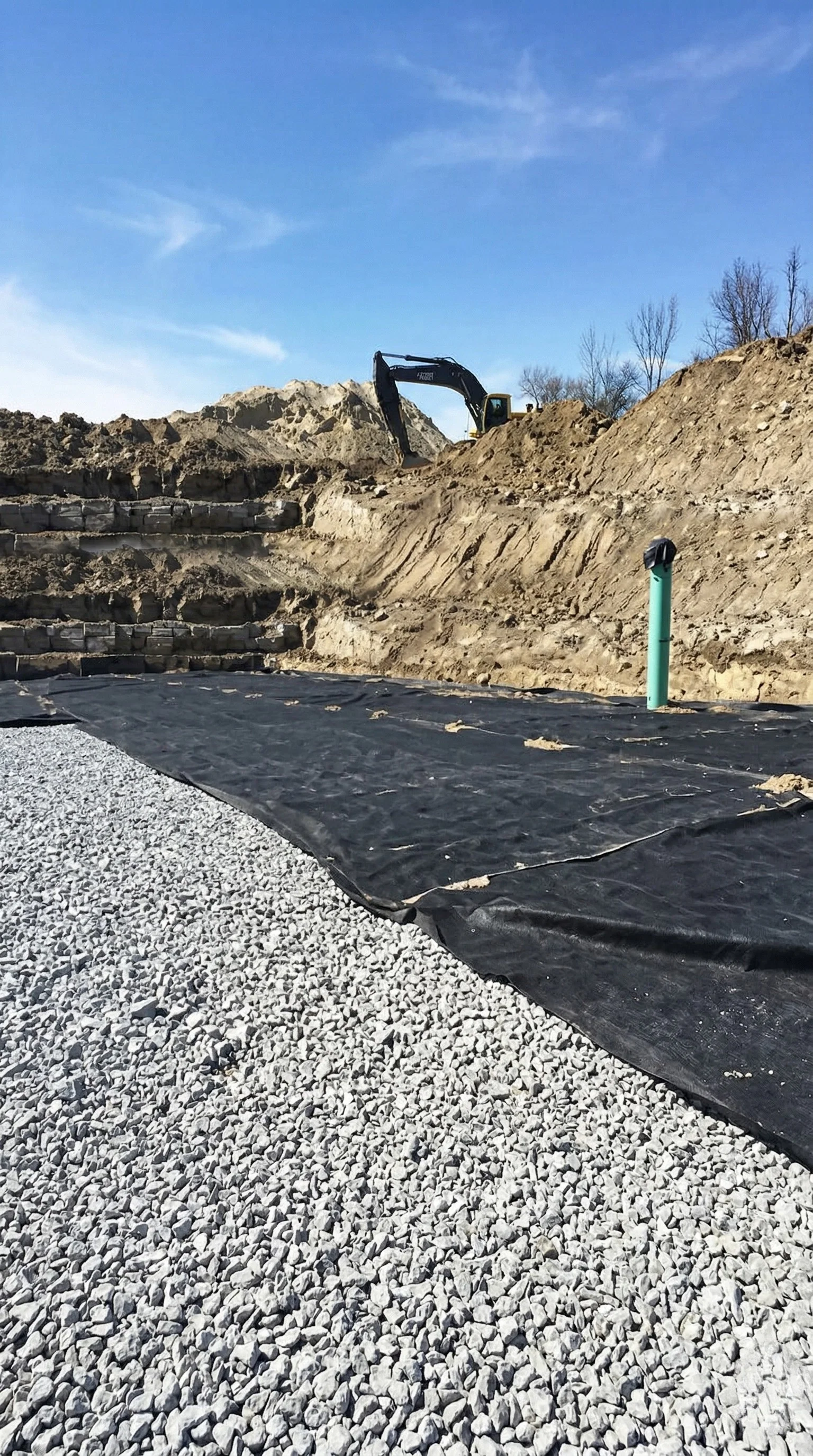
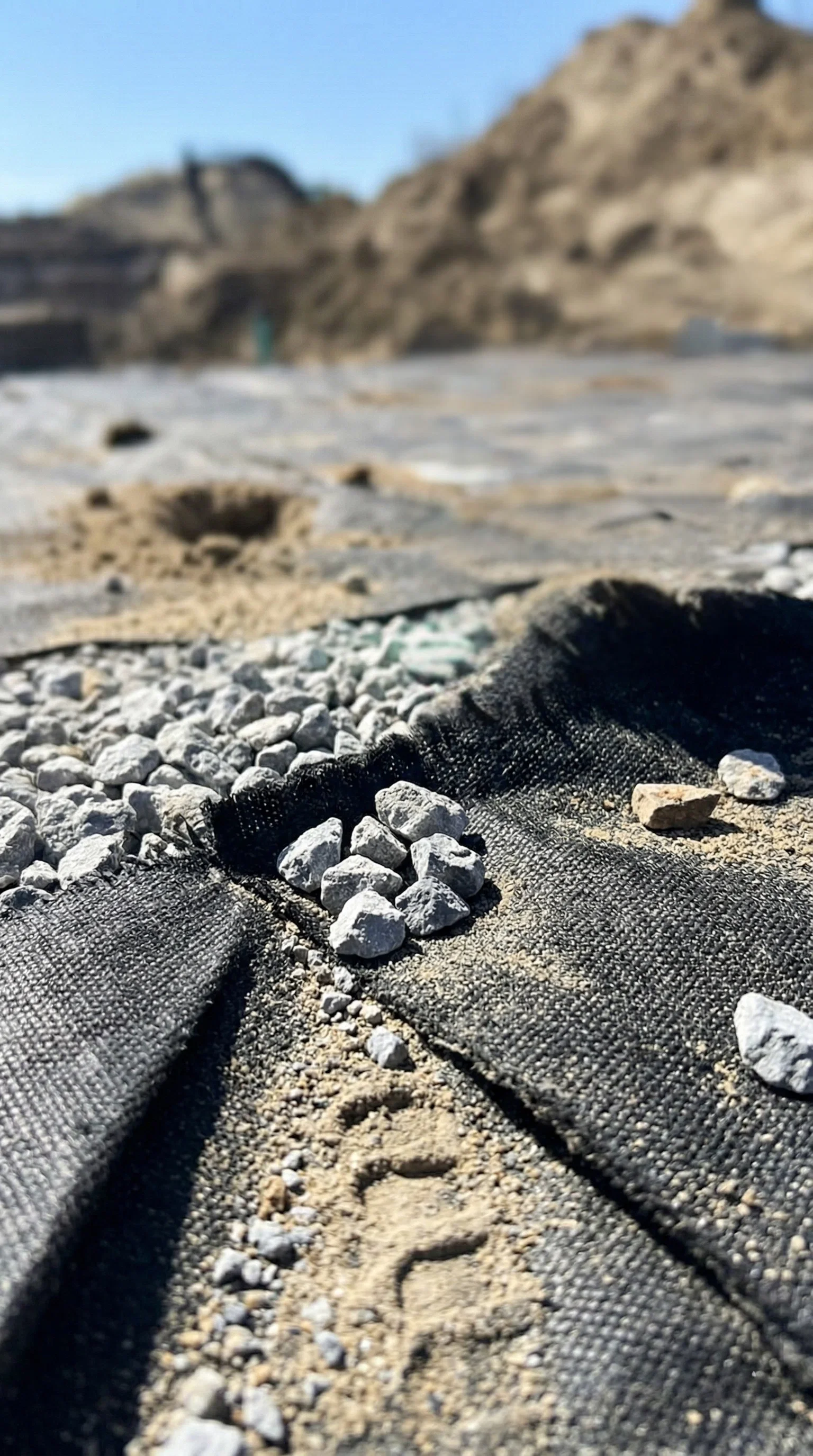
For Separation Purposes
When used under the foundation of structures planned to be built on weak soils, it prevents the building foundation from sinking into the ground, stabilizes the ground, and reduces the risk of unexpected differential settlement.
In coastal structures, it is used as a filter and bedding material to prevent the fill material from shifting due to wave action. It effectively separates the coarse and fine filter materials used in the fill.
For Protection Purposes
Due to its high puncture resistance, when used over thermal insulation panels in terrace roof applications, it protects the underlying materials from impacts, allows different work on the materials, and prevents cement slurry from flowing downward.
Because of its pressure‑distributing effect, it is used in building foundations to protect waterproofing applications.
It protects geomembranes applied in open areas from tearing or damage caused by puncture and excessive friction.
In green roof systems, it is used as an insulation protector, water and moisture retention.
The geotextile rolled onto the prepared surface must be stretched tight to ensure full contact with the surface. To prevent the geotextile from slipping during backfilling, it should be applied by binding at least 25 cm under the previous layer.
Advantages
It is produced using polyester fibers.
It has a structure that ensures homogeneous distribution of fibers through dense stitching and advanced manufacturing technology.
With production capability up to 6 m wide, it provides material and labor savings in large areas with minimal piling, offering a fast application advantage.
Due to the thermal treatment applied during production, it is more durable than standard geotextiles.