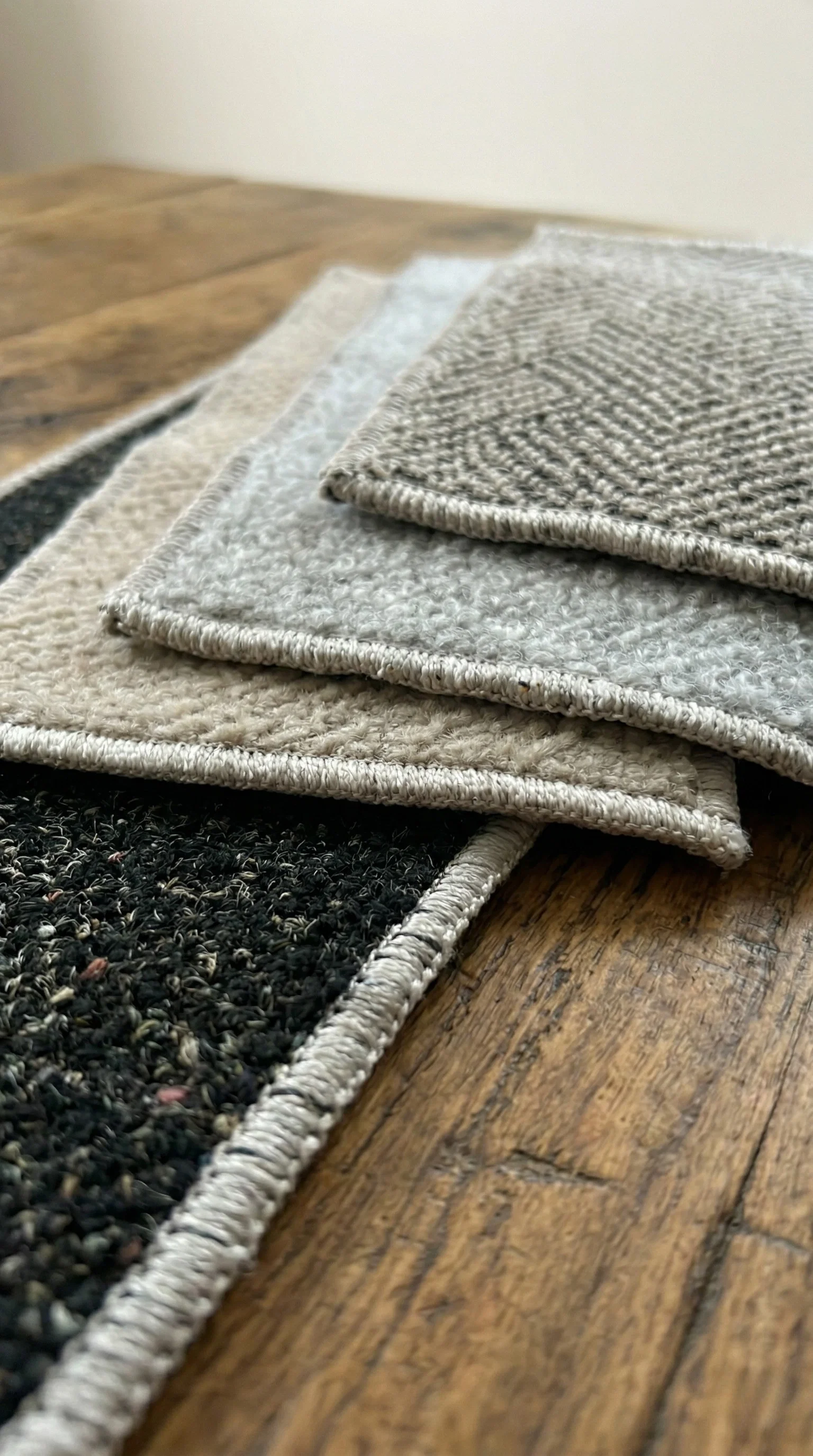
Geosynthetic Clay Liner (GCL) is a material used to minimize environmental impacts and prevent water leaks. GCL is a combination of synthetic clay and polyethylene film, and therefore forms a water‑resistant, mechanically strong barrier that prevents water leaks.
The greatest advantage of GCL is its capacity to prevent water leaks. Because the geosynthetic clay liner creates a non‑permeable barrier against water, it can block water leaks. This helps minimize environmental impacts and costs.
GCL also has mechanical strength and can therefore withstand heavy loads. This allows GCL to be used in many different applications such as storage tanks, landfills, dams, and construction sites.
Another advantage of GCL is that it is environmentally friendly. GCL is produced and used with the aim of minimizing environmental impacts and not harming the environment. GCL protects natural resources and reduces environmental impacts, demonstrating that GCL is a sustainable choice.
In conclusion, the geosynthetic clay liner (GCL) has advantageous features such as preventing water leaks, mechanical strength, and environmental friendliness, and can be used in many different applications such as storage tanks, landfills, dams, and construction sites. The use of GCL helps minimize environmental impacts and reduce costs, which has led to GCL being accepted as a popular choice.
What is a Geosynthetic Clay Liner (GCL)?
A GCL is essentially a composite made of two components: natural clay minerals (sodium bentonite) and a polymer matrix. The natural clay minerals contain a special type of clay called sodium bentonite. This clay swells when it comes into contact with water, preventing water penetration. The polymer matrix enhances the clay’s stability and increases the material’s durability. A GCL is produced by combining these two components.
Geosynthetic Clay Liner Production Process:
The geosynthetic clay liner undergoes a production process that includes the following steps:
Bentonite Activation: Natural clay minerals are subjected to a special treatment that causes them to contact water and swell.
Polymer Coating: Bentonite is coated with polymer layers. This polymer coating increases the clay’s stability and optimizes its waterproofing properties.
Combining Two Layers: Bentonite-coated clay and polymer layers are brought together. Typically, a polymer sheet joins these two components.
Rolling into a Roll: The resulting material is rolled into a roll, producing rolls of the desired thickness.
Geosynthetic Clay Liner Applications:
Geosynthetic clay liners are commonly used in the following areas:
Ground Insulation: In construction projects, they are used to prevent groundwater and moisture from penetrating buildings.
Waterproofing: They are used to prevent water leakage in water‑engineering applications such as irrigation ponds, canals, water‑storage facilities, and irrigation projects.
Erosion Control: GCL can help protect the ground surface in erosion control and prevent soil loss.
Waste Storage Areas: In solid‑waste storage sites, they provide waterproofing and environmental protection.
Geosynthetic Clay Liner Advantages:
Waterproofing: The swelling ability of bentonite clay effectively prevents water from seeping into the ground.
Durability: The polymer coating increases the material’s durability, making it long‑lasting.
Environmental Friendliness: GCL can help reduce erosion and protect water resources in environmental protection projects.
Quick Installation: They can be installed faster than other waterproofing materials, saving time in construction projects.
A geosynthetic clay liner (GCL) can be an effective solution for many applications such as water waterproofing, erosion control, and ground insulation. However, depending on a specific project’s requirements and conditions, it is important to choose the correct GCL type and thickness.