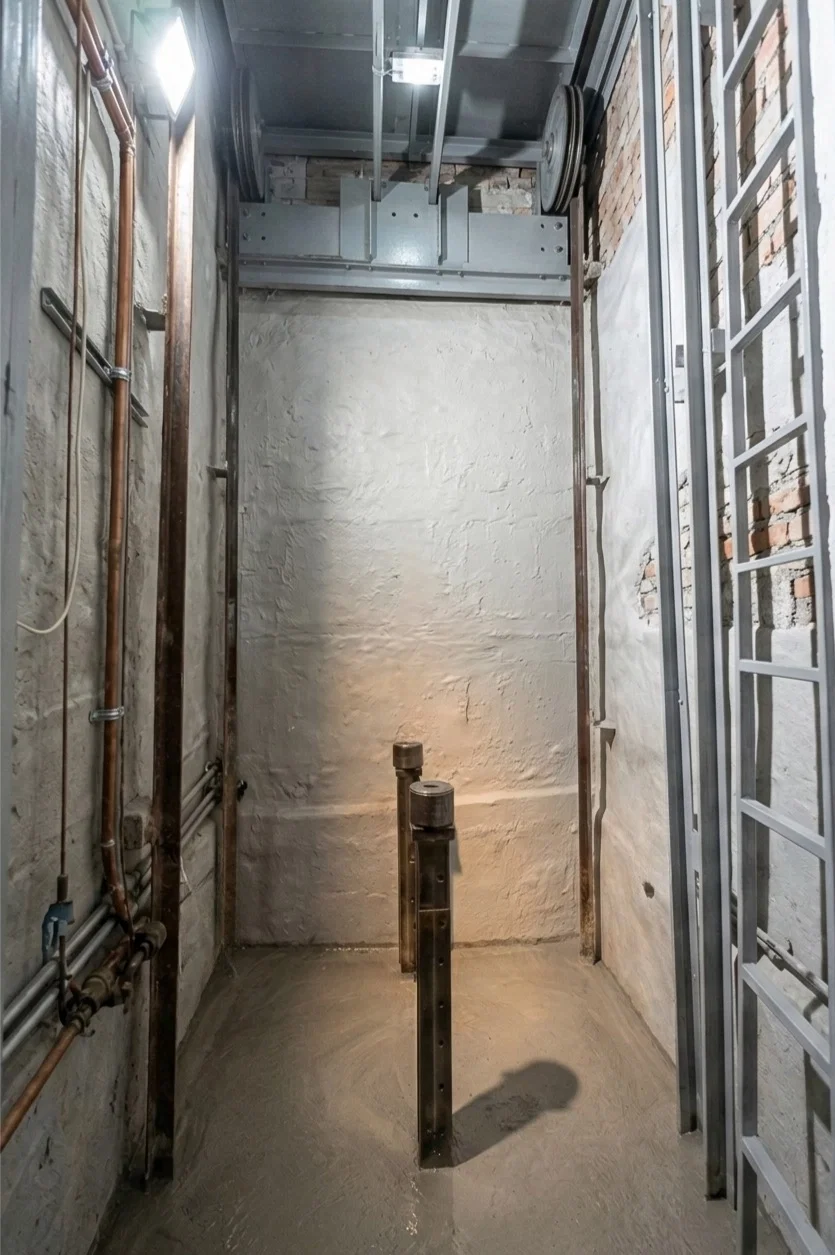
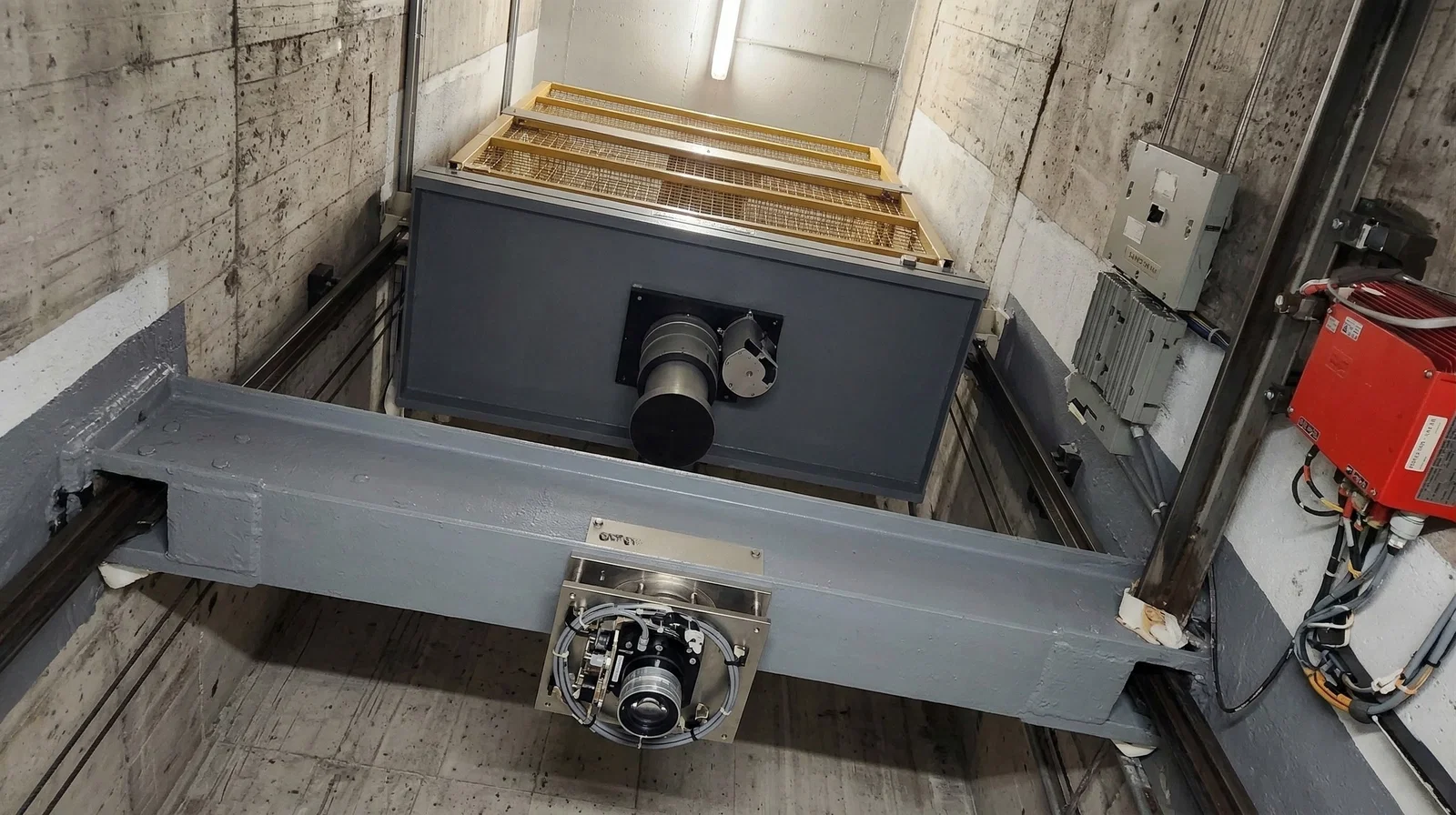
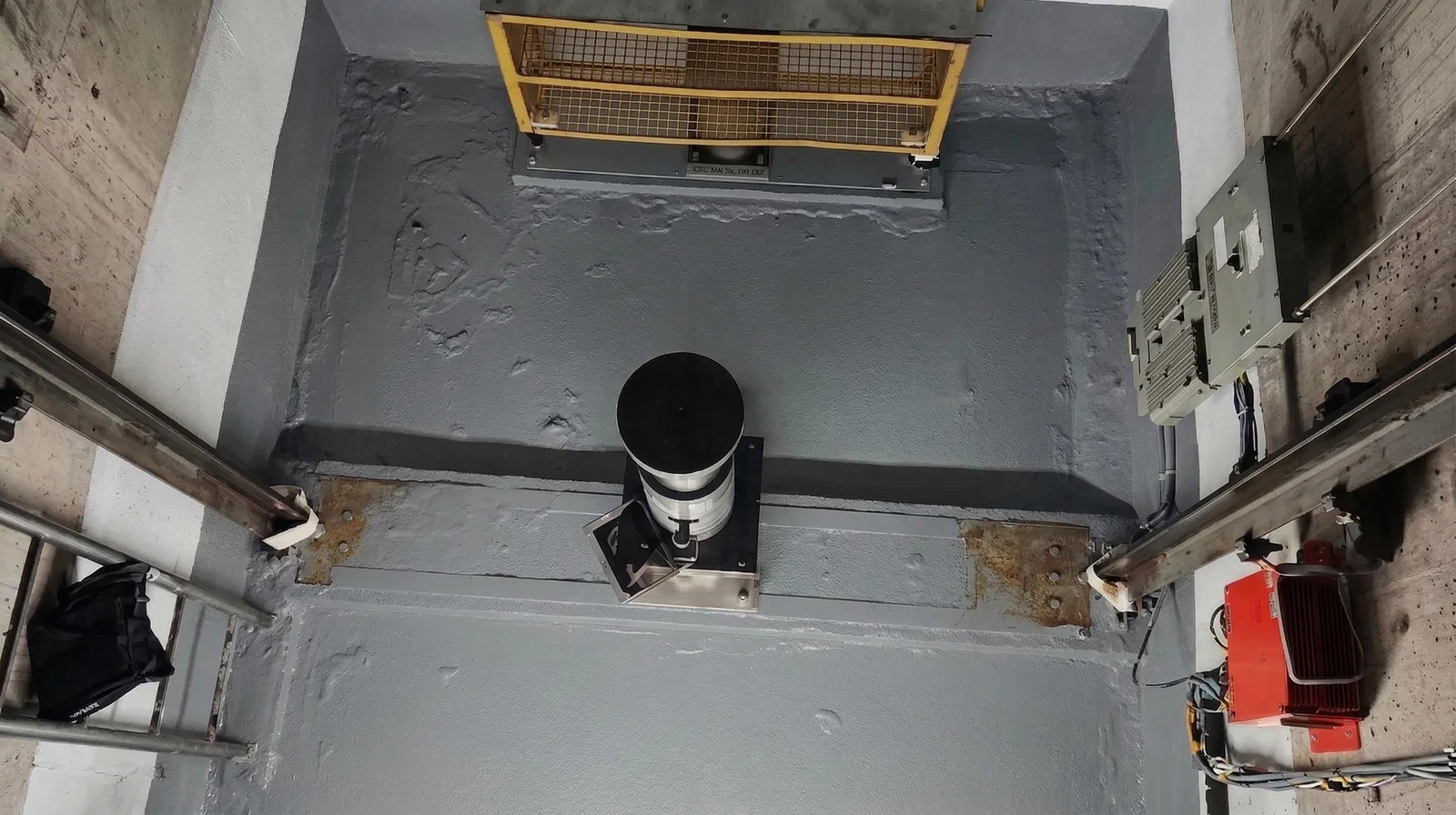
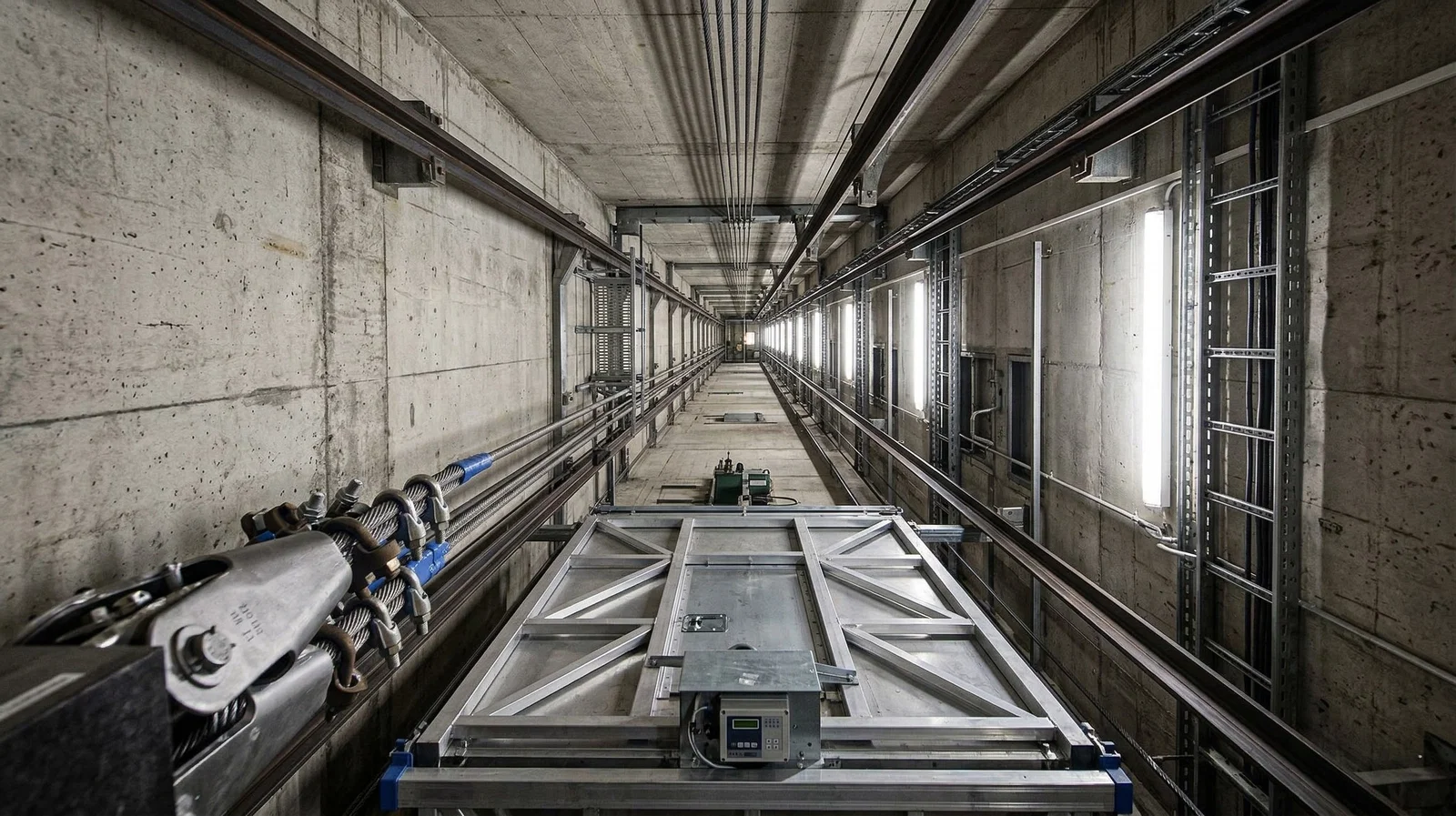
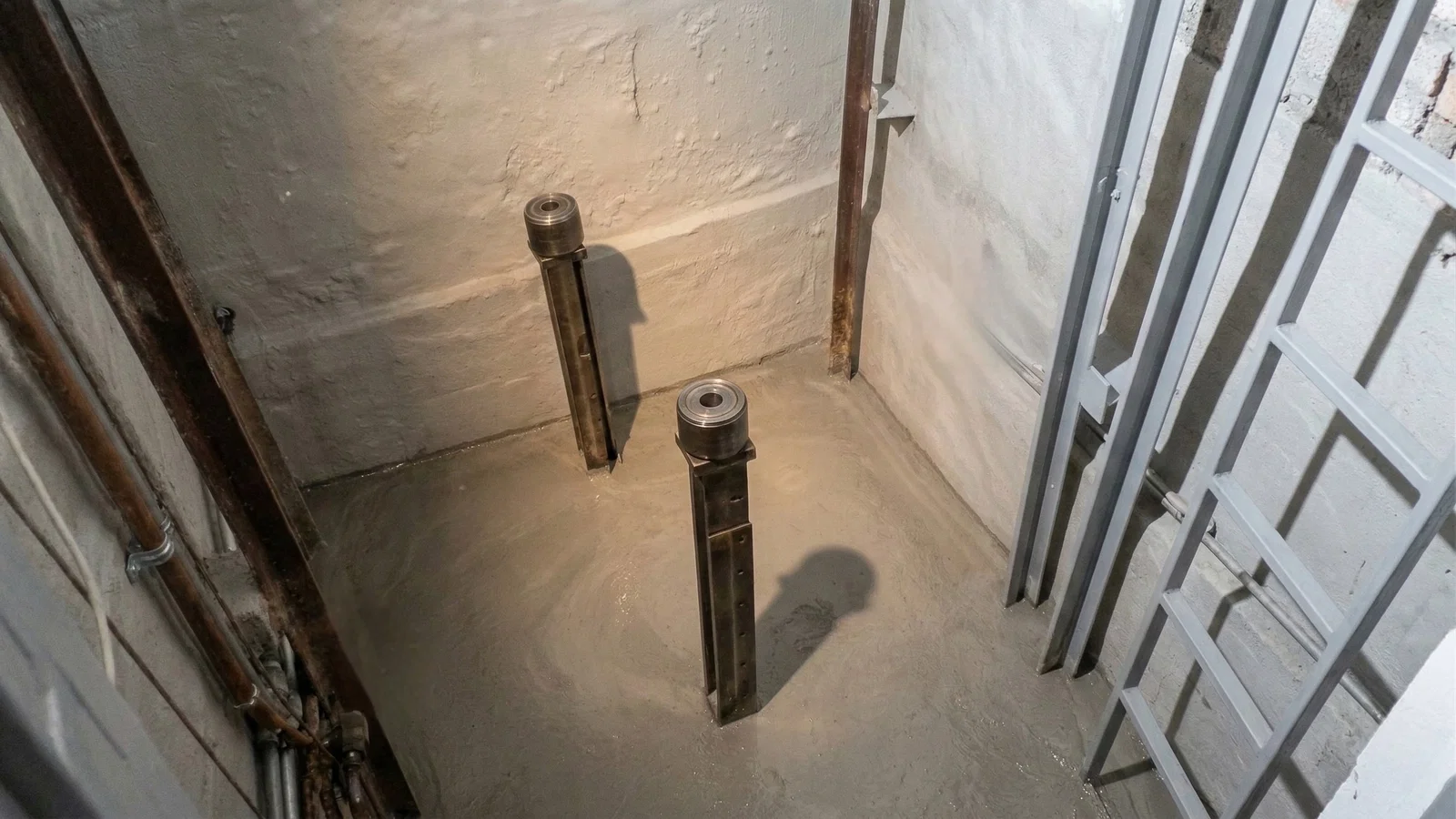
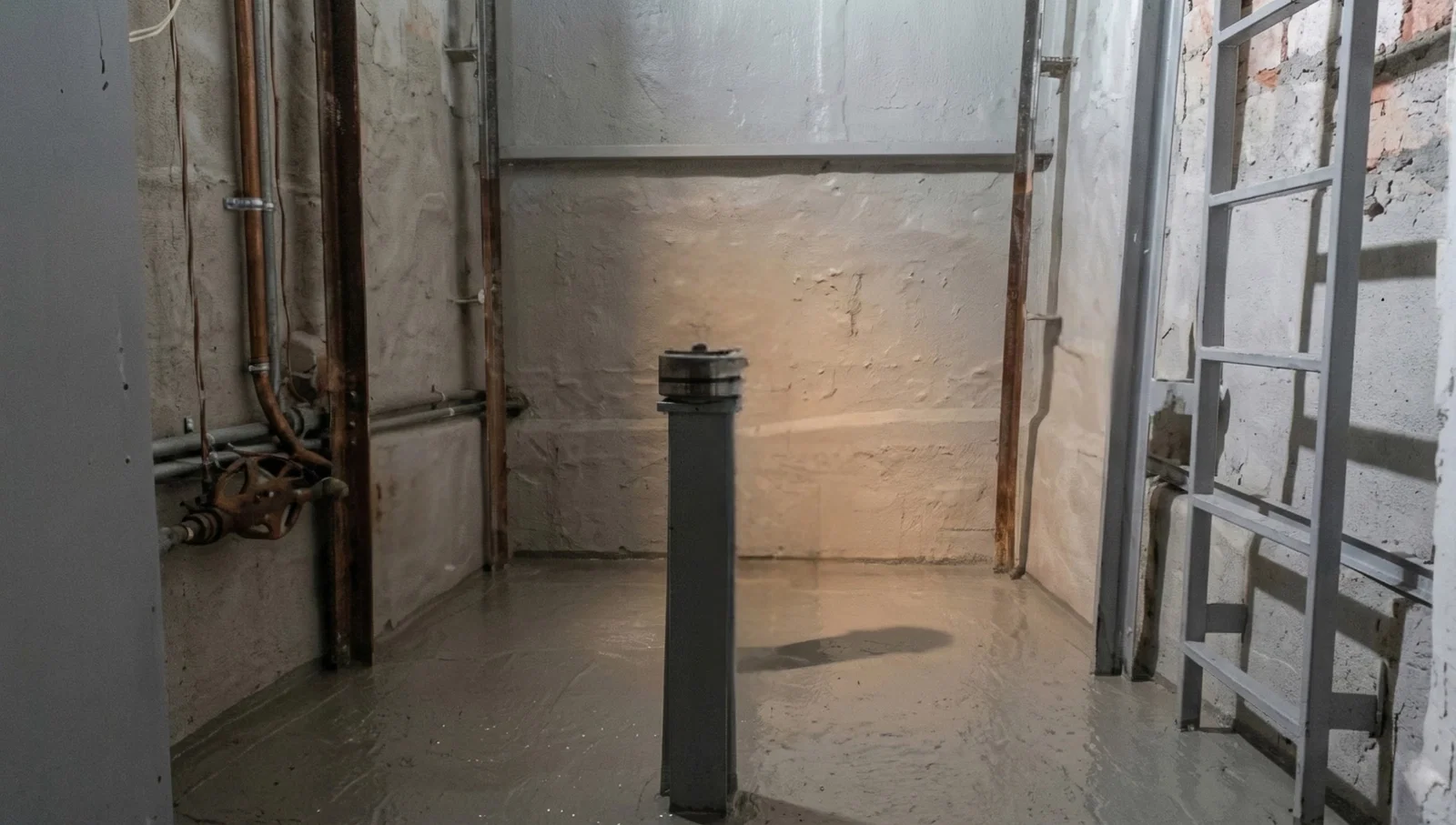
In some projects, the elevator shaft is subjected to such intense water pressure that water seeps through the concrete before even the conventional sealing systems have time to dry. MZ Ticaret employs the “polyurethane injection” method in these extreme situations. This technique involves injecting special resins into the depths of the concrete, right at the exact center of cracks, using high‑pressure pumps. As soon as the injected polyurethane resin contacts water inside the crack, it expands 20 times in a matter of seconds, forming a dense foam barrier that completely seals the water’s path. While filling voids within the concrete, polyurethane injection also adapts to the structure’s settlement movements and vibrations thanks to its flexible nature, preventing cracking or tearing. Supported by shock‑prized plug mortars, this application instantly stops active water flow in the elevator shaft, creating a safe foundation for the reliable application of secondary insulation layers. Even in the most hopeless-looking water leaks, MZ Ticaret delivers a definitive solution with this high‑technology approach.
Sealing Discipline at Cold Joints and Connection Points
Due to the static nature of elevator shafts, the points where the radially reinforced foundation meets the shaft walls are called “cold joints” and are the most favorable paths for water infiltration. A microscopic separation line forms between concrete poured at two different times. MZ Ticaret removes these cold joints and shaft corners from being weak links in the insulation and turns them into the strongest points. During the application phase, these joint areas are opened into a “V” shape with wedges, cleaned, and filled with high‑strength water‑retaining repair mortars. Then, elastic tape strips and epoxy‑based tape applications applied to the corner turns prevent the insulation layer from cracking or stretching at sharp angles. The attention MZ Ticaret gives to detailed solutions ensures that the base and walls of the elevator shaft present a monolithic (single‑piece) integrity. A shaft whose joint management is not done correctly will inevitably take in water from its connection points, no matter how well its surface is insulated; we eliminate this risk through professional intervention.
Elevator Rail Fixation Anchors and Mechanical Assembly Compatibility
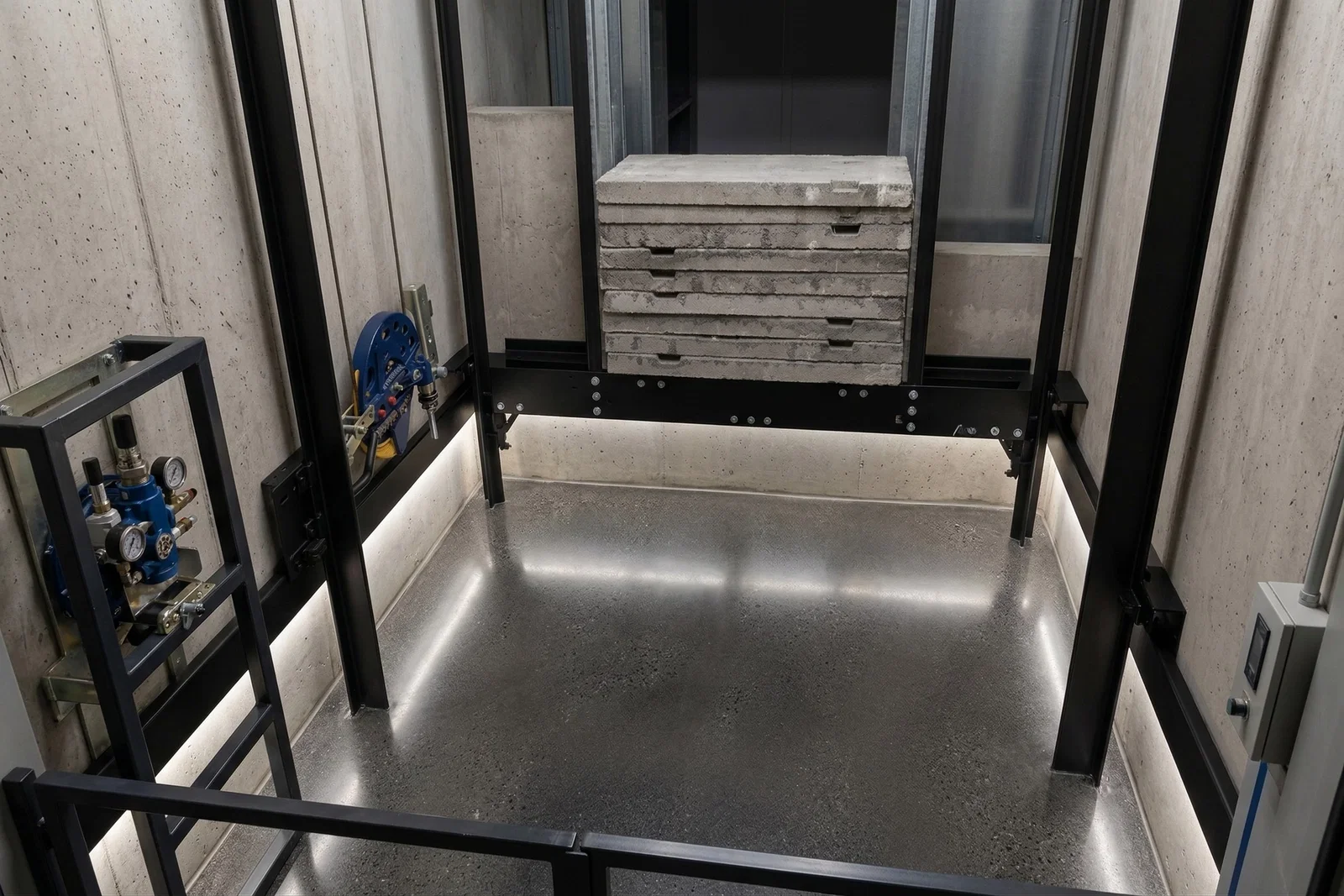
One of the biggest enemies of elevator shaft insulation is the elevator company drilling into the shaft to fix the rails after the insulation is finished. Each bolt or anchor hole is a breach in the insulation shield, inviting water to enter under pressure. MZ Ticaret prevents this chaos by coordinating with elevator assembly teams. The anchors used at rail fixation points are surrounded in a “bracelet” shape with specially developed epoxy resins and sealing pastes, preventing water from advancing through these holes. If there are concrete anchors for the elevator motor inside the shaft, water‑retaining tapes are placed on their lower parts before the concrete is poured. For us, insulation is not just a surface coating; it is a system that integrates with the elevator’s mechanical assembly. MZ Ticaret’s holistic approach prevents the corrosion of elevator rails, laying the groundwork for a quieter, vibration‑free, and safer operation of the elevator.
Protection of Electronic Components with Moisture and Dampness Control
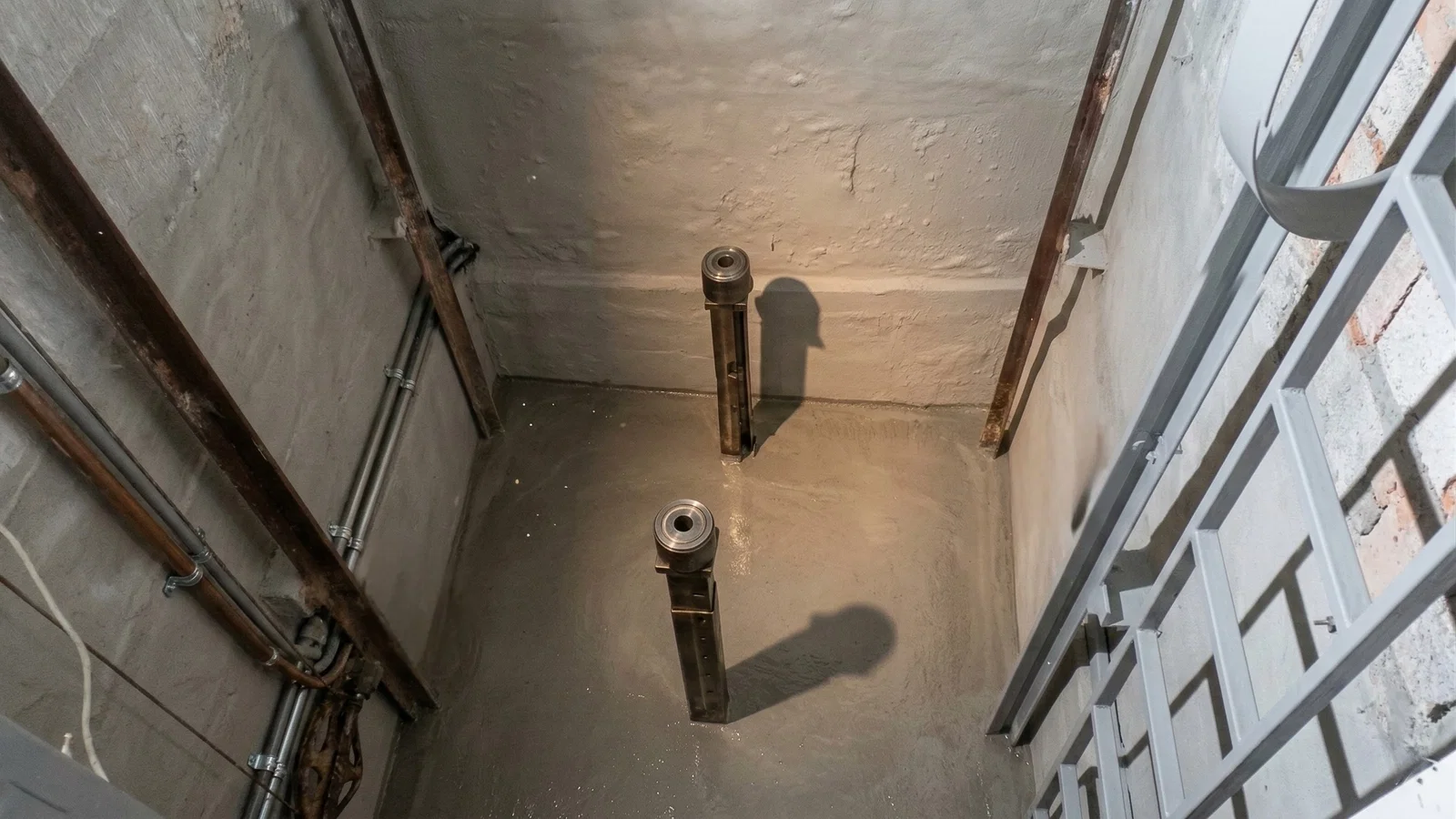
In elevator shafts, not only liquid water but also dense moisture (water vapor) suspended in the air is a major problem. Due to inadequate insulation, the concrete remains constantly damp, creating a humid atmosphere inside the shaft. This situation causes the oxidation of the elevator’s most valuable components—control boards, switches, and electrical cables. MZ Ticaret’s multi-layer insulation systems allow the concrete to breathe while blocking the penetration of liquid water and dense moisture into the interior. In shafts where water insulation is completed, special final coat finishes applied to the surface prevent moisture from condensing on the surface, providing a dry environment. Protecting the electronic components prevents frequent failures and downtime of the elevator, thereby ensuring uninterrupted transportation comfort for building occupants. Our insulation solutions act as an invisible insurance that protects your building’s technical infrastructure.
Epoxy-Based Surface Coatings and Dust-Free Shaft Hygiene
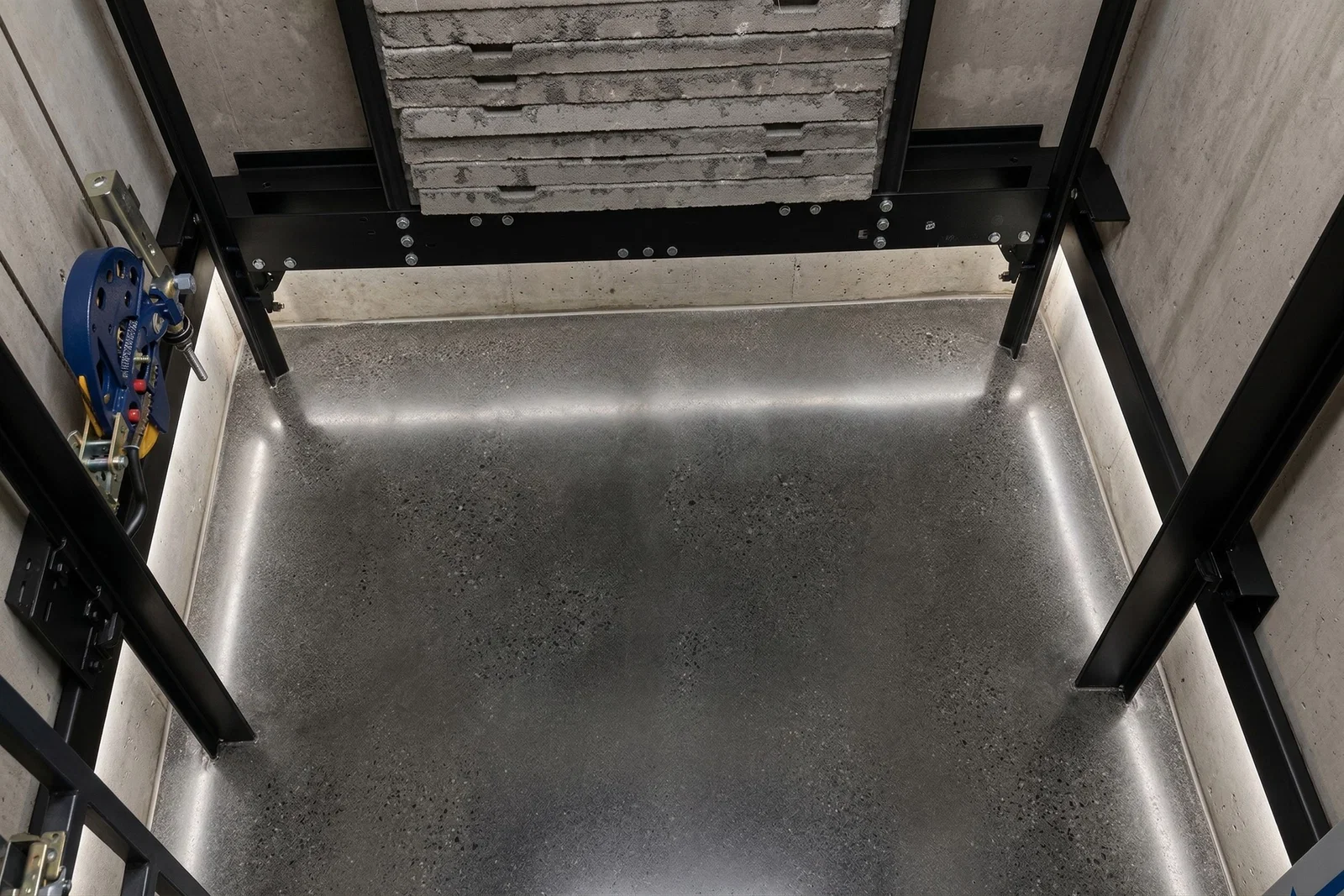
The mechanical resistance of insulation layers is low; therefore, parts that may fall onto the elevator shaft floor or personnel movements can damage the insulation. After water insulation is completed, MZ Ticaret protects the interior surfaces of the shaft with high-strength epoxy paints or coatings. The epoxy coating creates a dust-free, antibacterial, and smooth layer on the surface. This application not only protects the insulation but also prevents chemicals such as oil and grease from penetrating the concrete inside the shaft. Epoxy surfaces, usually chosen in light colors (typically gray or white), optimize lighting inside the shaft, helping maintenance personnel work more safely. Because these surfaces are easy to clean, the elevator shaft remains hygienic at all times and unpleasant odors are prevented. At MZ Ticaret, we add corporate value to our projects by crowning a technical need with an aesthetic finish.
Chemical-Resistant Insulation Strategies for Sustainable Buildings
Groundwater, industrial waste, and sulfates, chlorides, and acids seeping from city sewer networks can be highly aggressive. When these chemicals come into contact with the steel reinforcement inside concrete, they initiate the corrosion process known as “concrete cancer.” MZ Ticaret focuses not only on water tightness in foundation walls and elevator shaft insulation but also on materials resistant to these chemical attacks. The polymer-modified bitumen and hybrid resins we use completely stop the migration of harmful ions from the ground into the concrete. This protection preserves the original strength of the building’s load-bearing columns and foundations for decades. For sustainable building management, a healthy foundation is essential, and MZ Ticaret is the greatest protector of that health underground. Extending the lifespan of your structures for generations is only possible with a professional insulation discipline.
Guaranteed Application and Technical Inspection Processes with the MZ Ticaret Difference
Elevator shaft insulation is a process with no margin for error, and correcting it later is extremely difficult. At MZ Ticaret, we subject every application we carry out to a rigorous inspection process. After the application is finished, we perform a water test (hold test) for a certain period inside the shaft to measure the waterproofing performance. We check the homogeneity of the insulation with thermal cameras and moisture meters. We offer our customers not just a service, but a waterproofing guarantee signed with the MZ Ticaret guarantee. Our references in the industry cover a wide range from public buildings to luxury residential projects, from industrial facilities to historic structures. Working with us means your elevator will always operate dry, safe, and efficiently. MZ Ticaret is your professional partner that follows innovations in the insulation world and combines them with practical solutions on site.