MZ Ticaret
MZ Ticaret
Left image

Roofing is the process of applying materials used to protect buildings' roofs from external factors, prevent water leaks, provide insulation, and achieve an aesthetic appearance to the roof's upper surface. Here are technical details about roofing:

Roofing Materials:
Roofing Materials:
Roofing materials vary. These include roof tiles, zinc, aluminum, steel, roof membranes, asphalt shingles, concrete, wooden shingles, etc.
Roof Insulation: Roofing also serves to provide thermal insulation for buildings. Insulation materials are placed under the roof to prevent heat loss and increase energy efficiency.
Right image
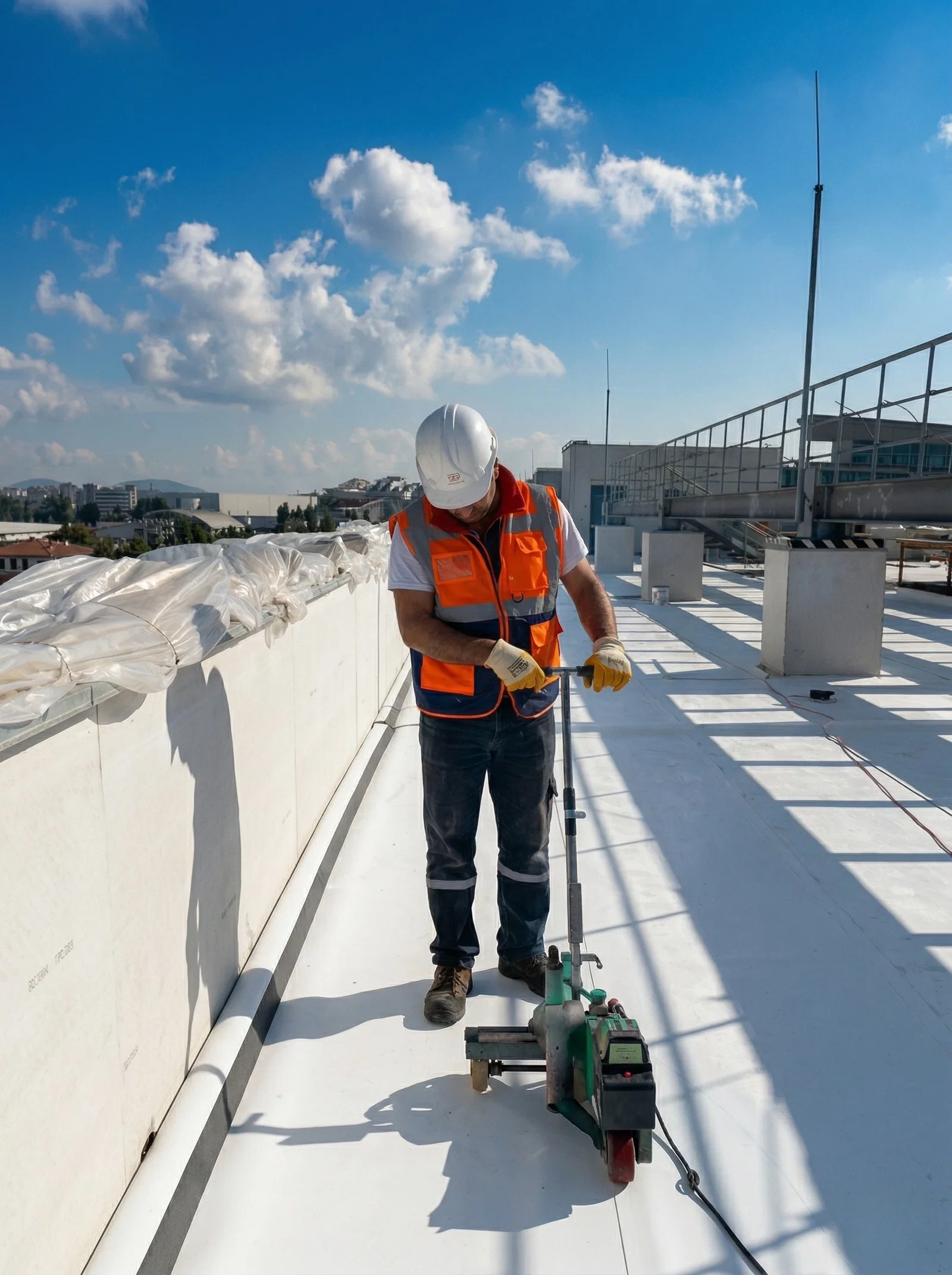
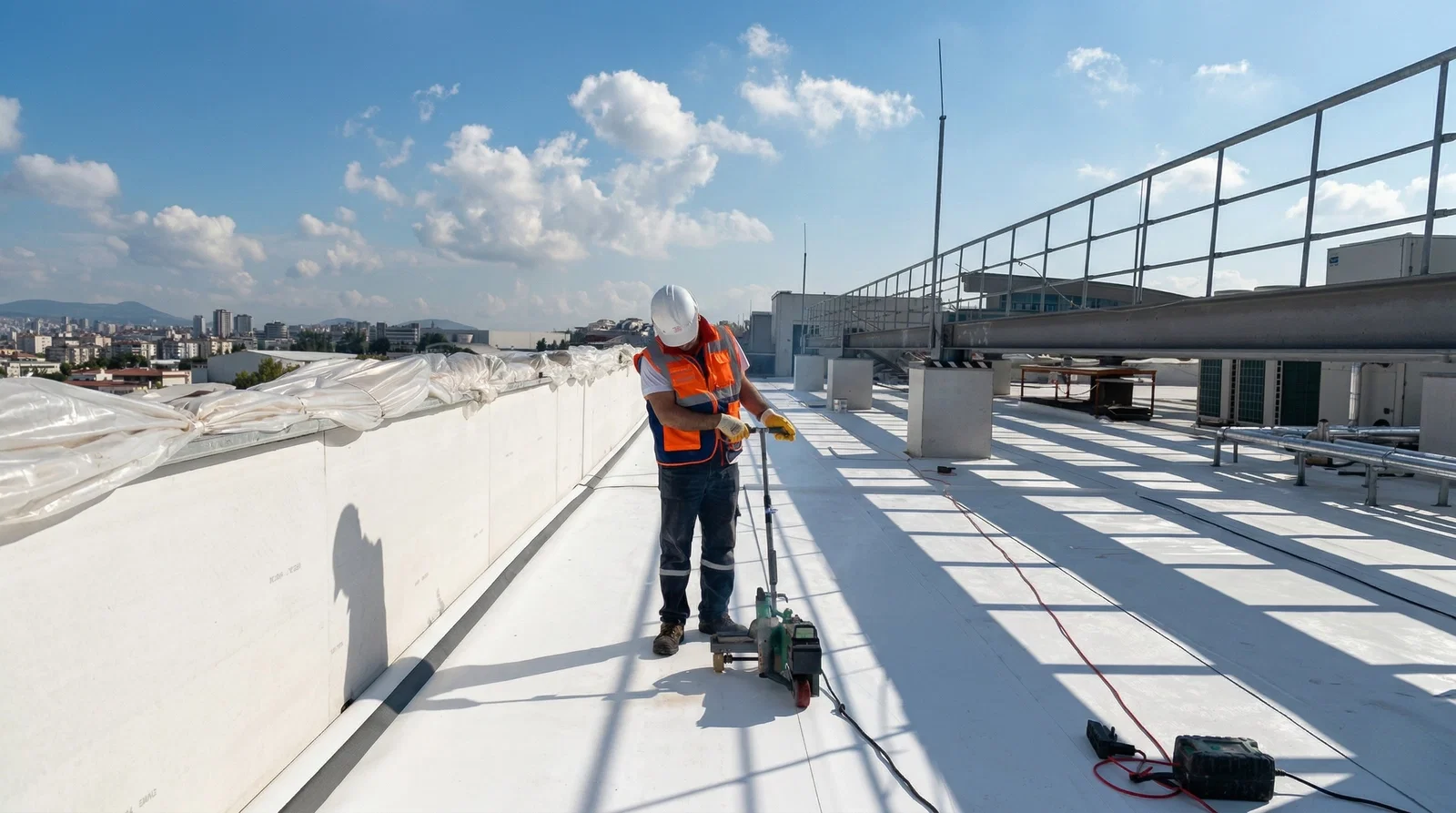
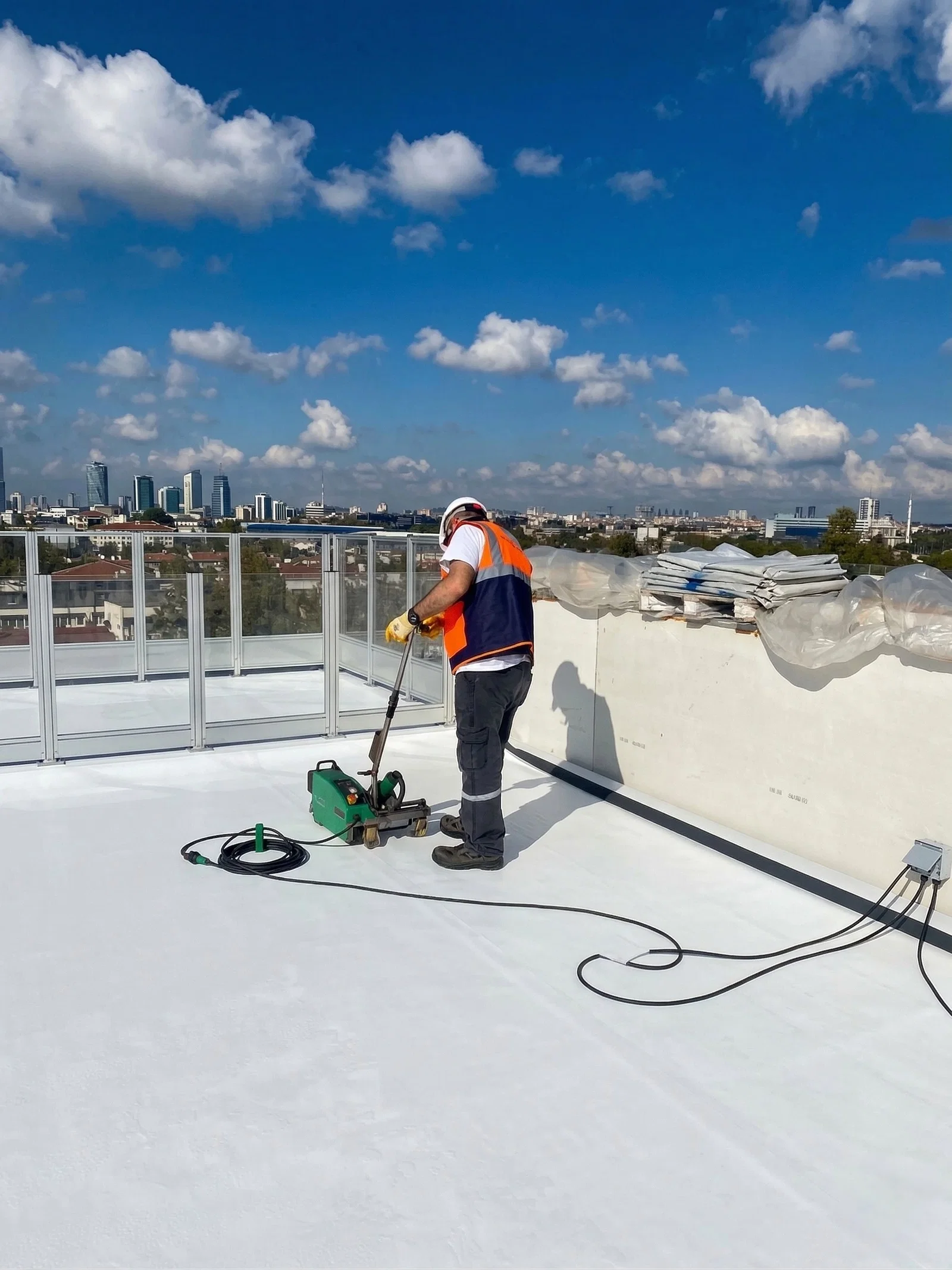
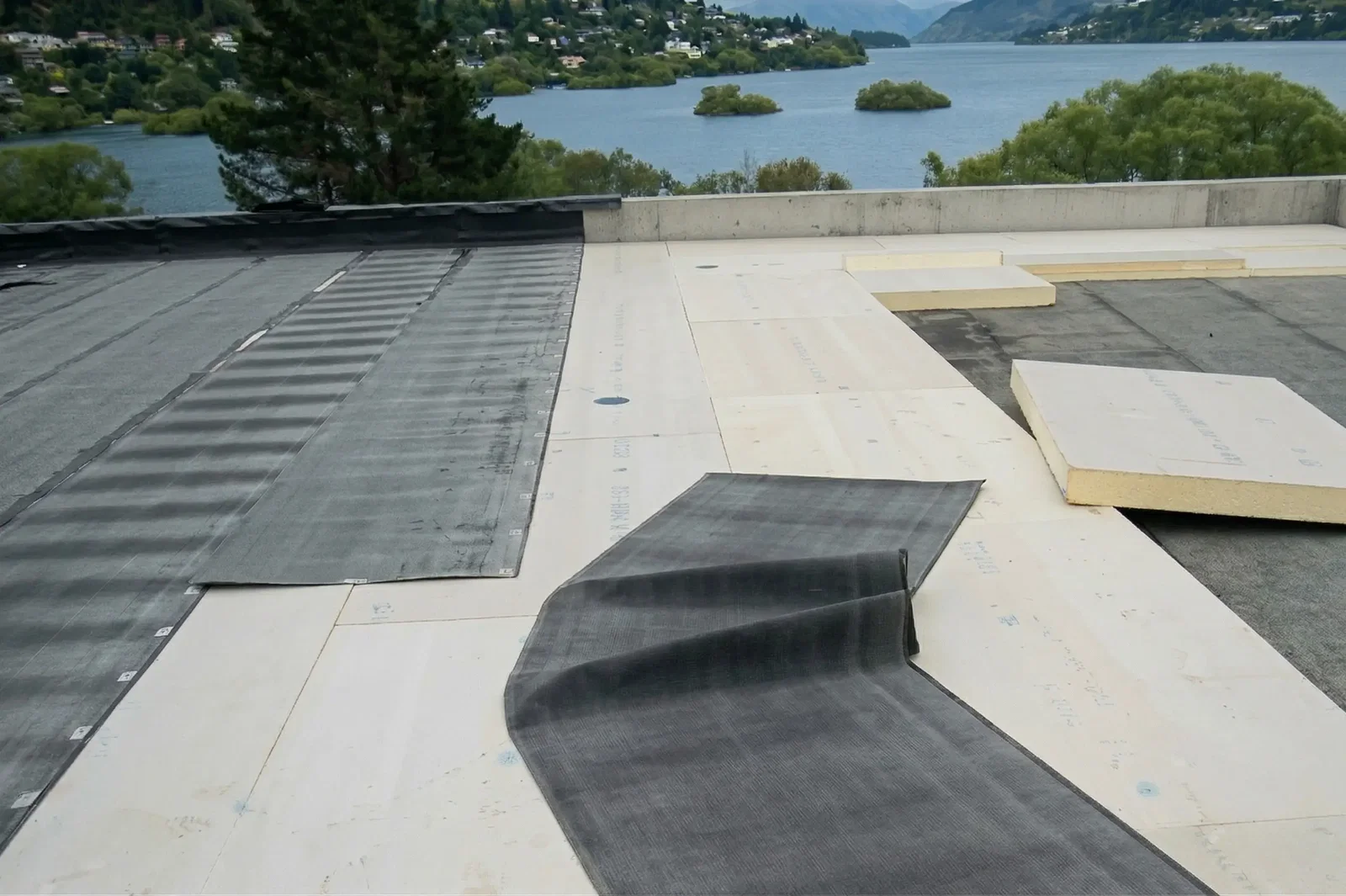
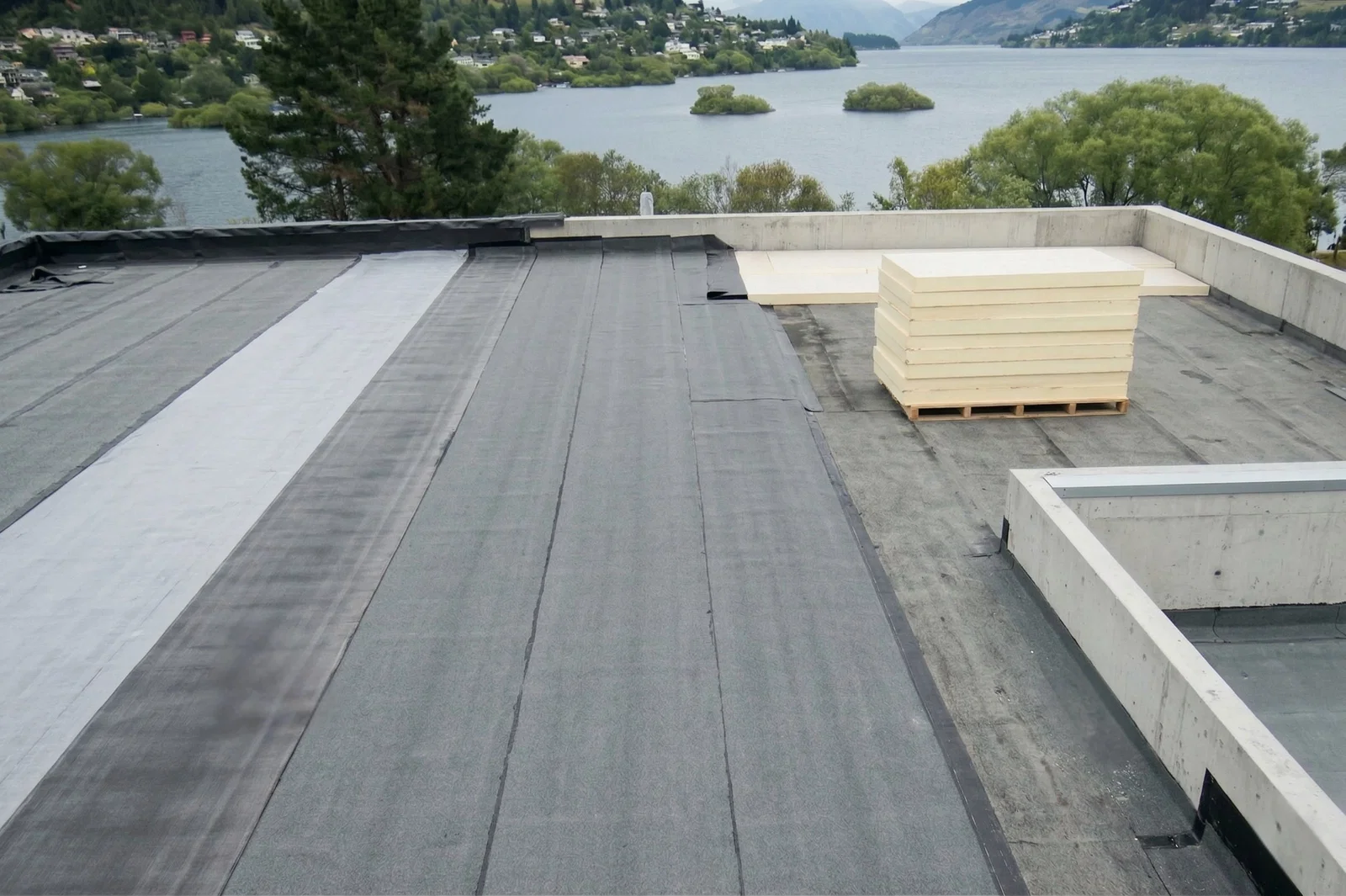
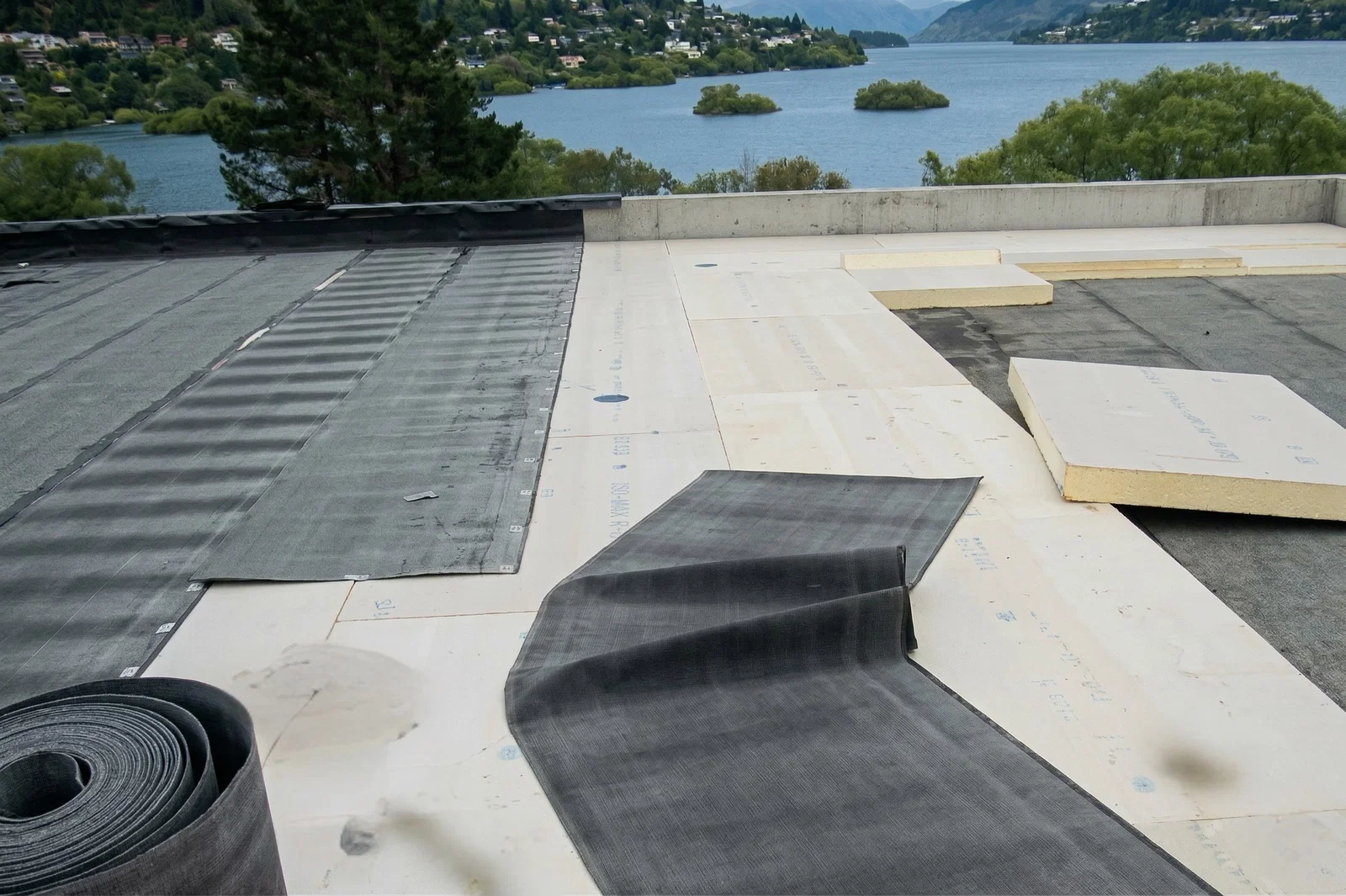
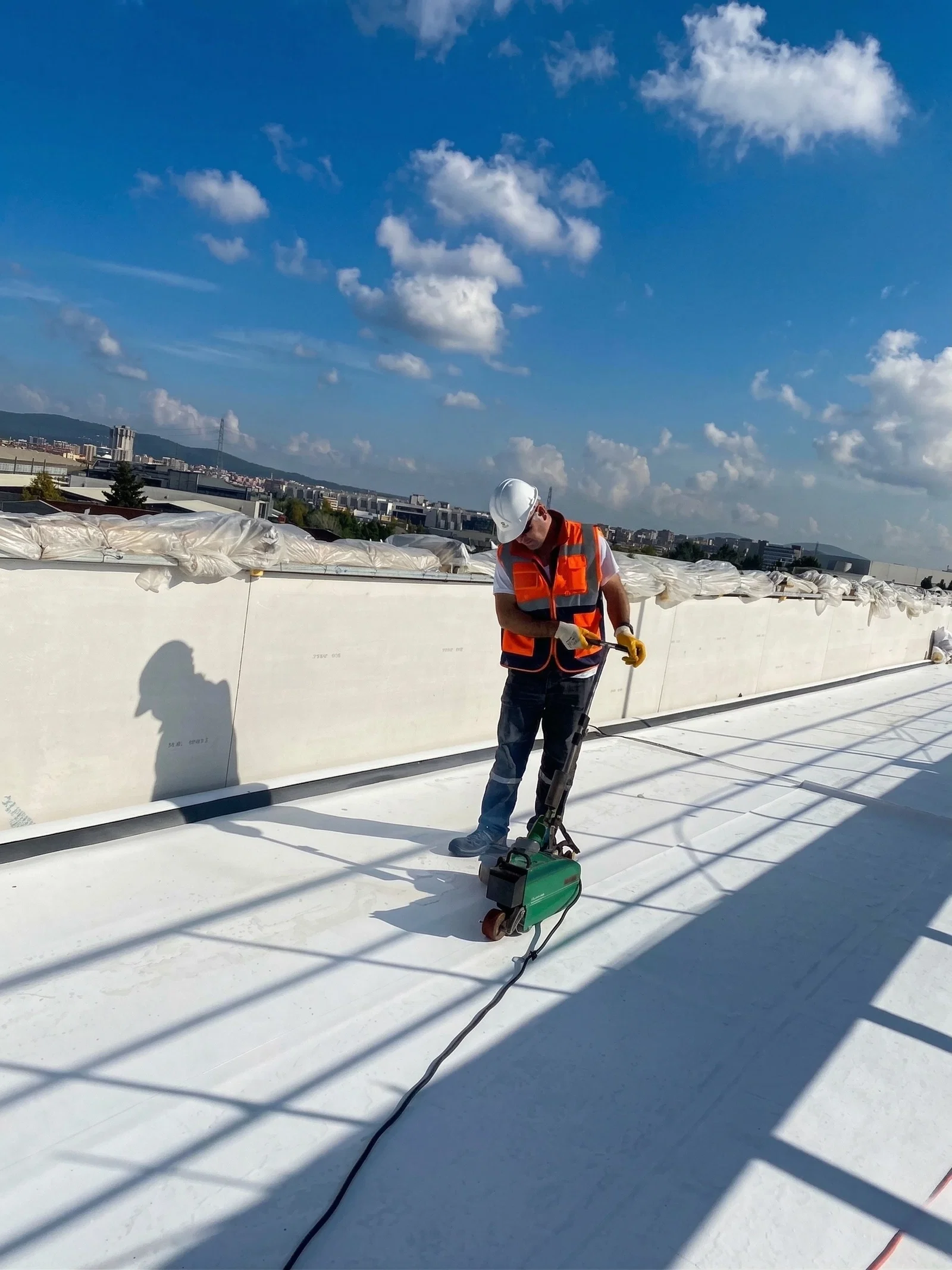
Roofing Process: Preparation: Before the roofing operation, the condition of the existing roof is examined. If there is an old covering, it is removed and the roof structure is inspected. Roof Structure Preparation: The roof structure is prepared properly. Insulation materials are installed appropriately and waterproofing is ensured. Material Selection: Roofing material suitable for the need and budget is chosen. The durability of the material, its suitability to climate conditions, and aesthetic preferences are taken into account. Application: The selected roofing material is professionally applied to the roof's upper surface. This process is carried out with different techniques depending on the material and roof structure. Detail Work: Detailed areas such as roof edges, roof windows, roof protrusions are carefully worked on, and extra attention is given to prevent leaks.
First image
Second image
Section image


Roofing Materials Characteristics:
Durability:
It is important that roofing materials have a long lifespan. Durable materials reduce roof maintenance costs.
Waterproofing: Roofing materials must be waterproof to prevent water leaks. Water insulation is critically important to protect the interior of the roof.
Fire Resistance: Some roofing materials are fire-resistant. This increases the safety of buildings.
Resistance to Environmental Factors: Some roofing materials are resistant to UV rays, wind, weather conditions, and environmental effects.
Color and Aesthetics: Roofing materials are aesthetically important as part of building design. Color and design options should be available.
Roofing is a critical step for building owners to protect their roofs, provide energy efficiency, and improve the building's aesthetics. A good roofing process provides long-term safety and comfort to building owners.


What should be considered when installing roof covering?
There are many important factors that need to be considered when installing roof covering. These factors are critical for the durability of the roof, protection against water leaks, energy efficiency, and achieving a successful result from an aesthetic perspective. Here are the main factors that should be considered when installing roof covering:
Correct Material Selection:
Choosing the roof covering material is of great importance. The material should be suitable for the type of building, climate conditions, and budget. For example, there are different material options such as roof tiles, metal cladding, or roof membranes.
Insulation:
Insulation materials should be properly installed under the roof. Good insulation increases energy efficiency and provides temperature control inside the building.
Appropriate Substructure:
The substructure of the roof is critical for the durability of the roof covering. The wooden or metal roof frame should be solid. A weak substructure can affect the durability of the covering material.
First image
Second image
Section image
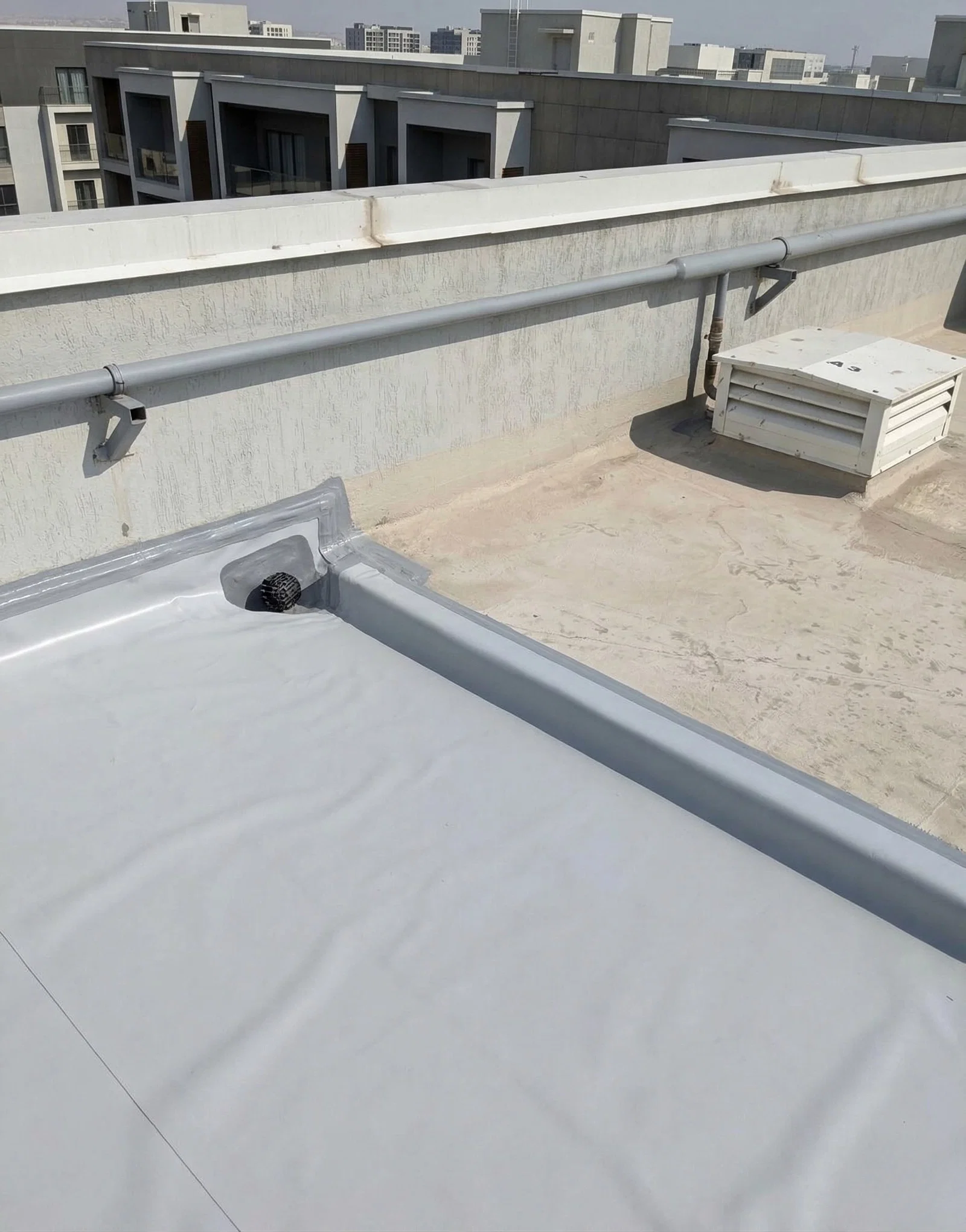
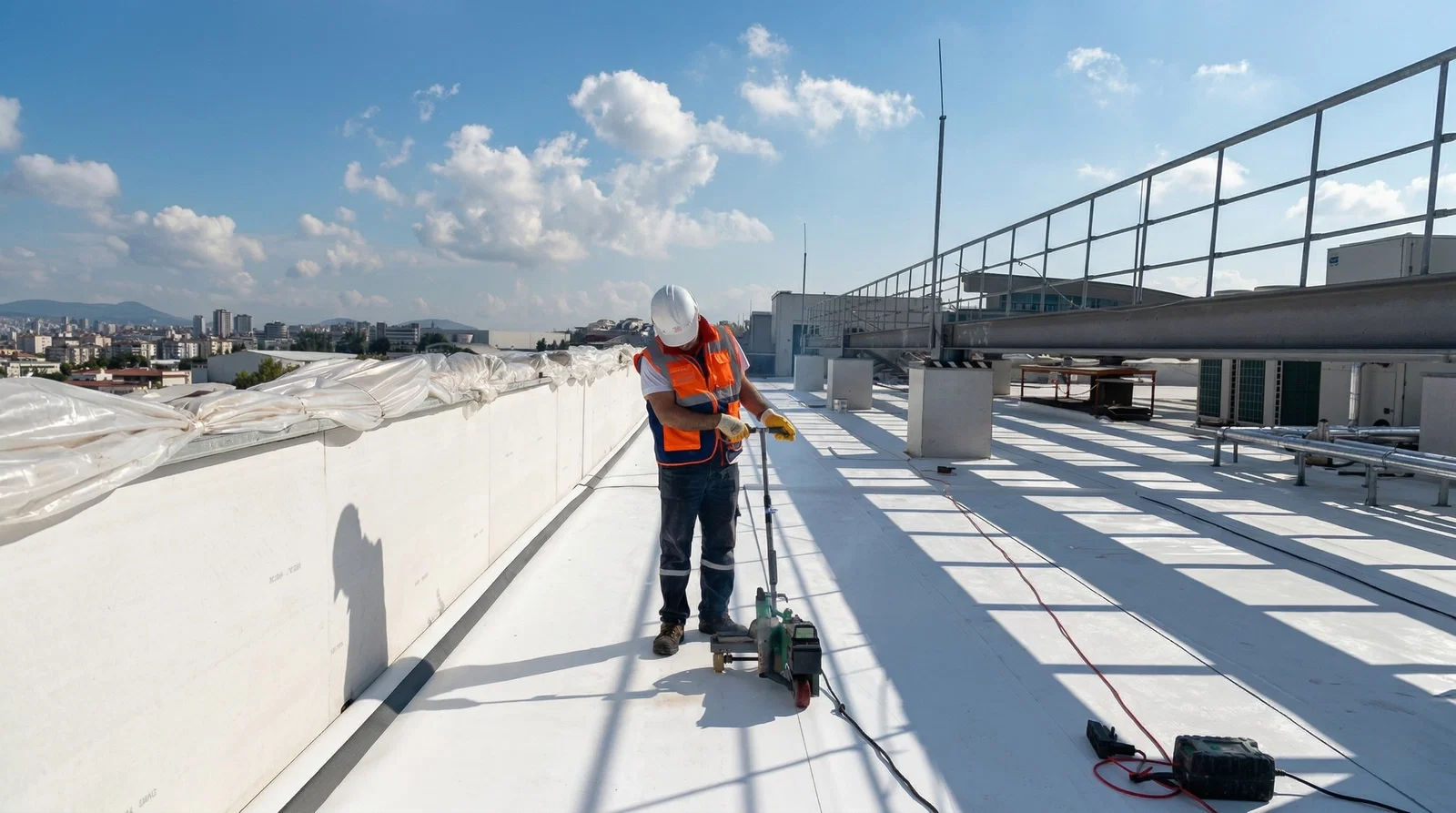
Waterproofing: Waterproofing protects the roof from water leaks. Waterproofing materials should be carefully applied to the roof’s structure and joints. Slope and Drainage: The roof’s slope and drainage system ensure that rain and snow water are quickly removed from the roof. Without proper slope and drainage, water accumulations and leaks can occur. Detail Craftsmanship: Special attention should be given to detailed areas such as roof edges, roof penetrations (chimney, ventilation, roof windows). These areas are sensitive points against leaks. Durability and Reinforcement: Roof covering materials that are resistant to climate conditions and reinforced should be preferred. The geographic location and climate of buildings affect material selection.
Compliance with Environmental Regulations: Relevant local and national construction regulations must be followed. This ensures that the roof covering is evaluated for safety and compliance. Aesthetic Consideration: The roof covering affects the building’s exterior appearance. The choice of material and color should be in harmony with the building’s design. Professional Craftsmanship: The roof covering process should be carried out by an experienced and licensed roofer or company. Experts possess the necessary knowledge in material selection, application, and detailed workmanship. Maintenance and Monitoring: After the roof covering process is completed, regular maintenance and monitoring should be performed. Regular maintenance extends the roof’s lifespan and helps detect problems early. Warranty and Insurance: A good roof covering process should be supported by material and workmanship warranties. Additionally, appropriate insurance policies should be considered against potential roof damage. Paying attention to these factors when installing roof covering helps create a durable, leak‑proof, and energy‑efficient roof. Also, working with an expert roofer or company is essential for a successful roof covering process.
First image