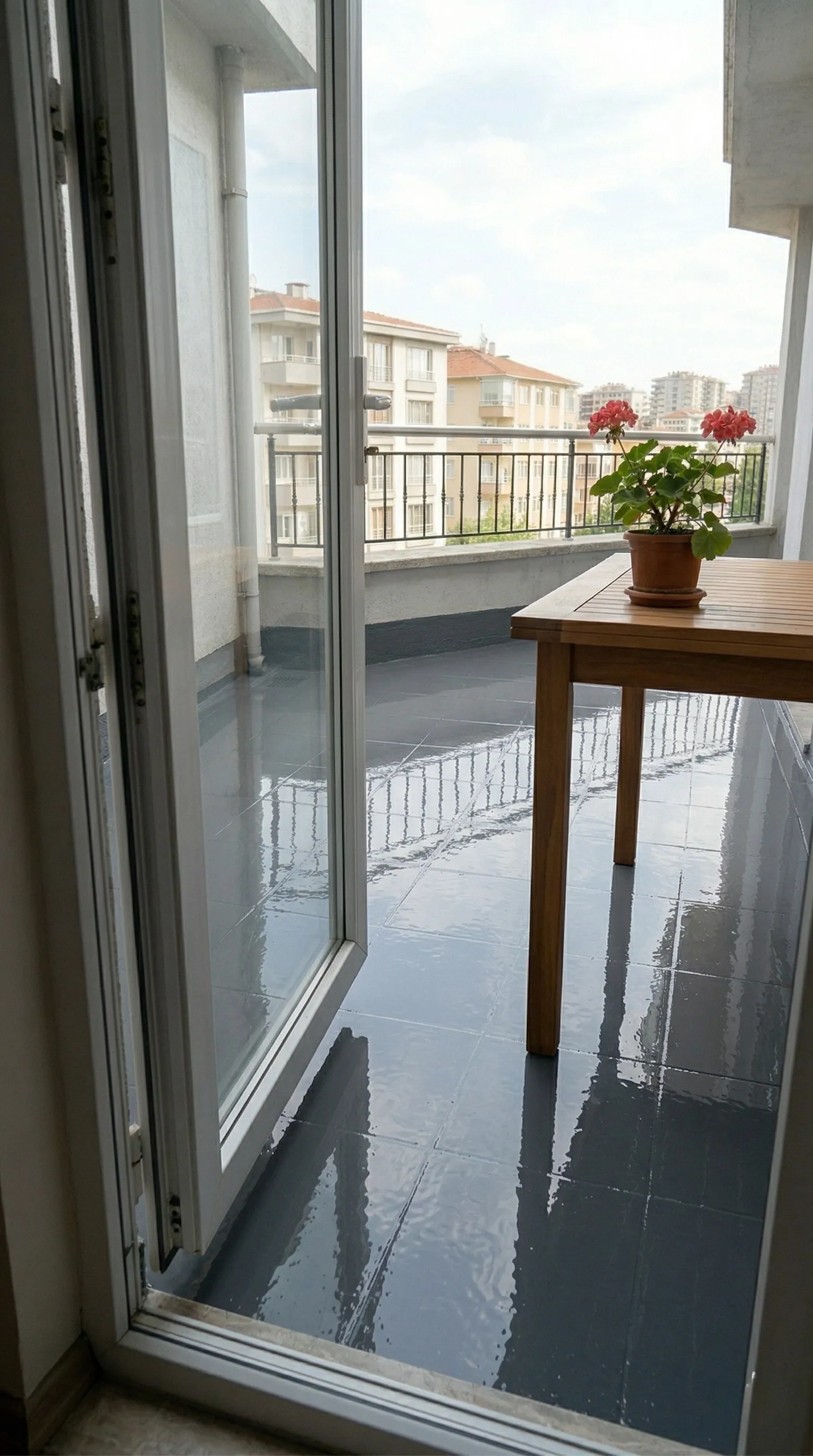
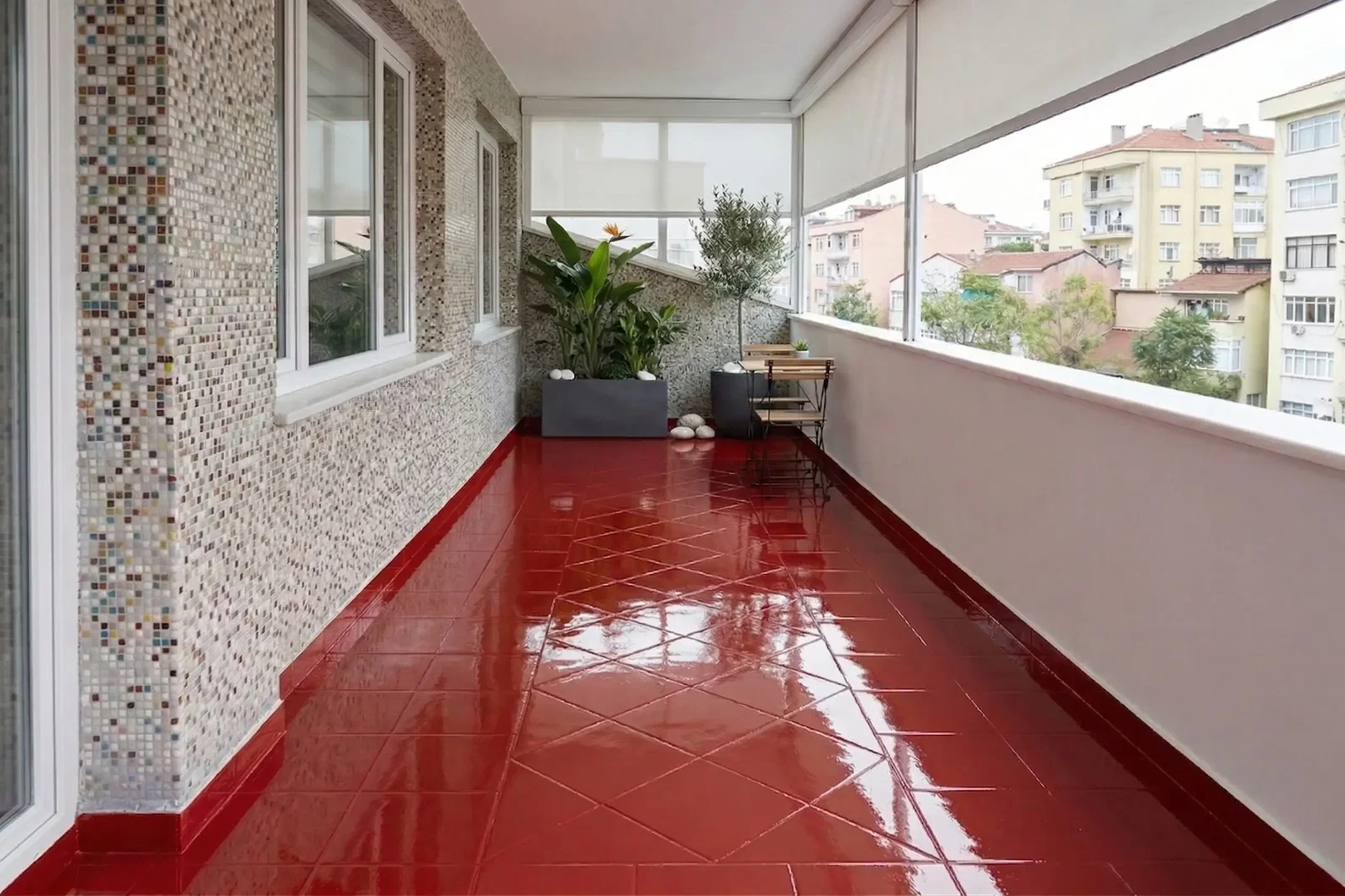
In construction, insulation is generally an application for thermal and water insulation, which can be performed from the foundation or later and provides significant savings. One of the commonly used types of insulation is spray insulation. Spray insulation has five different applications.
Cement Spray Insulation
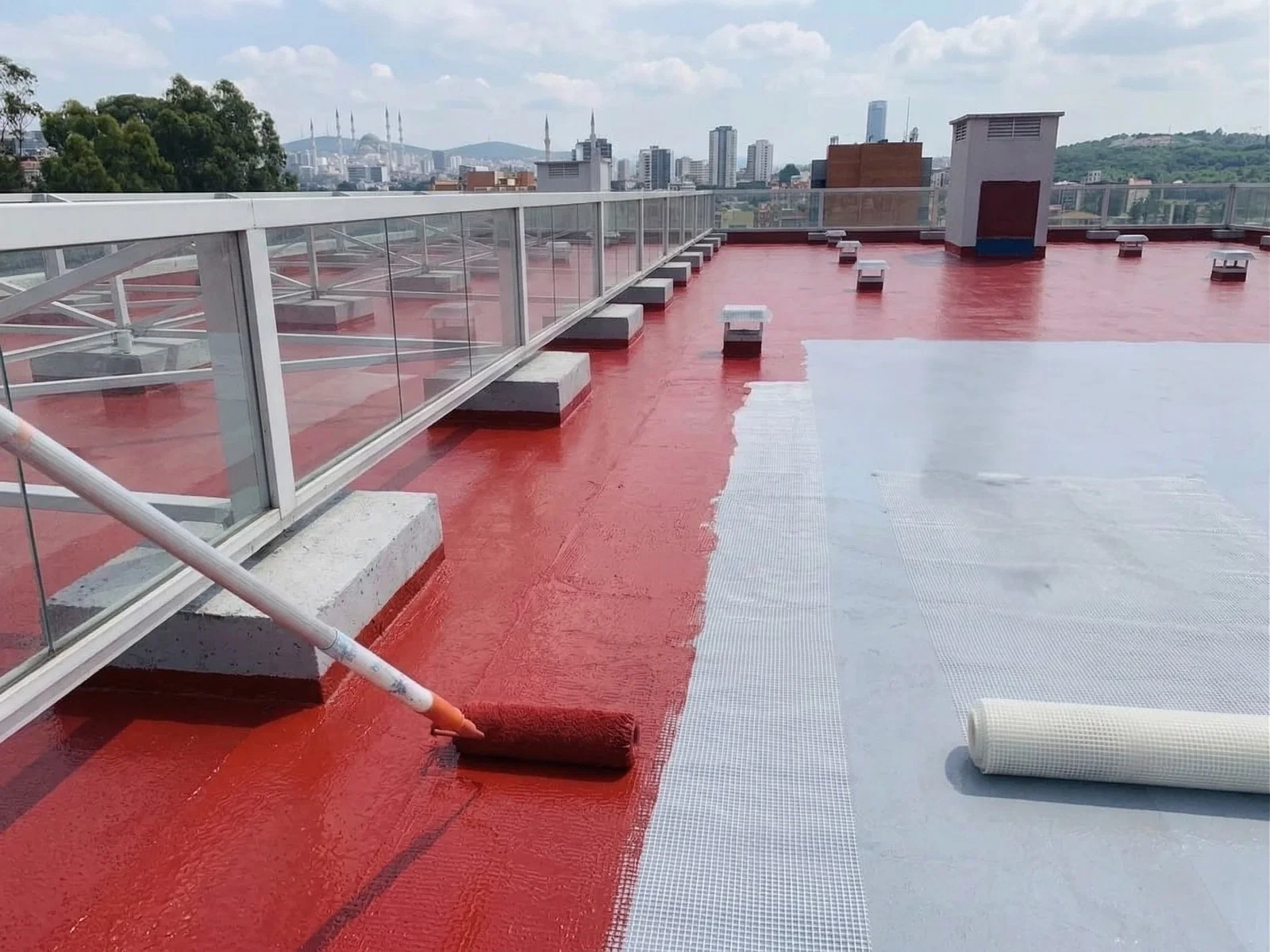
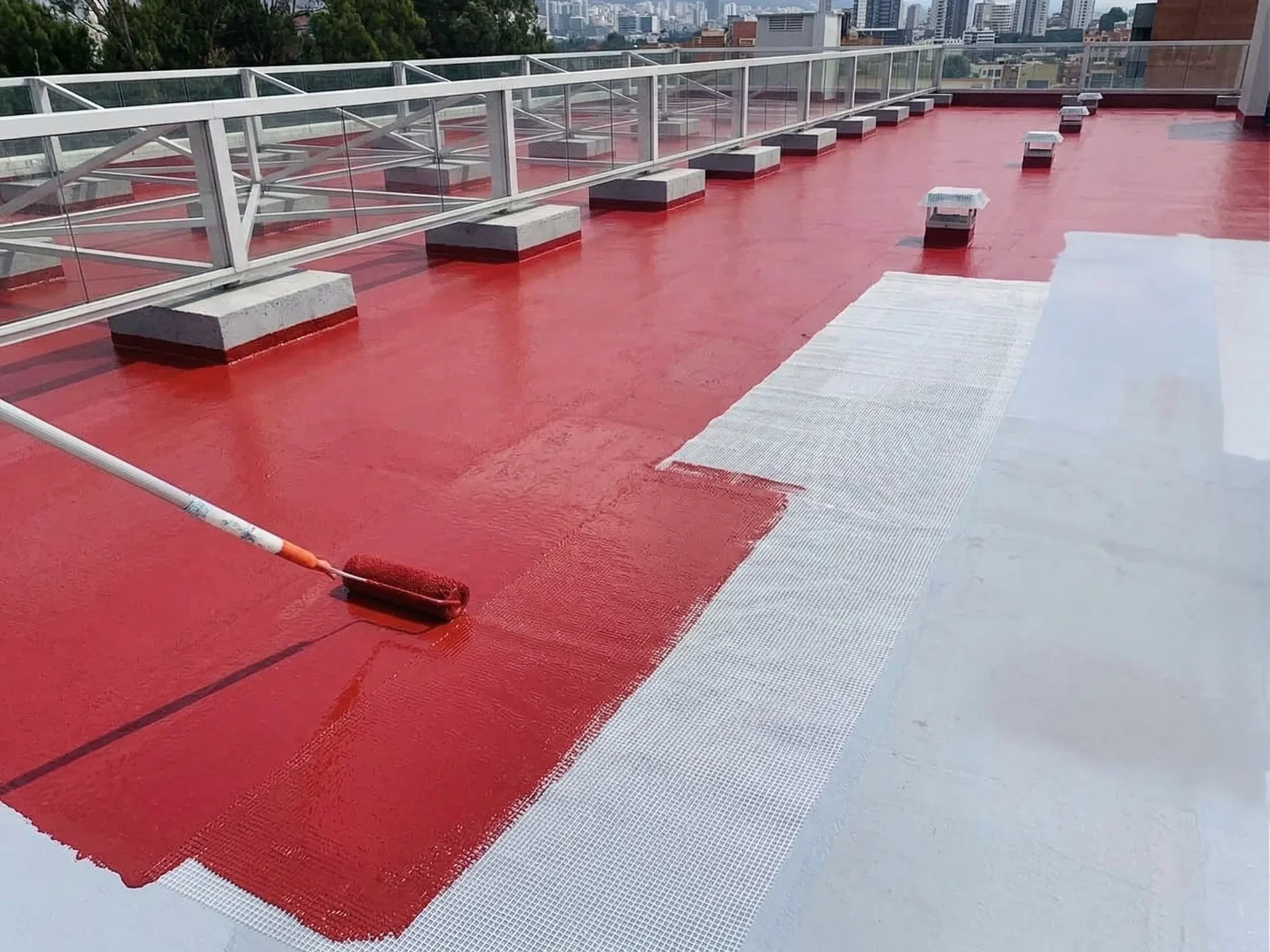
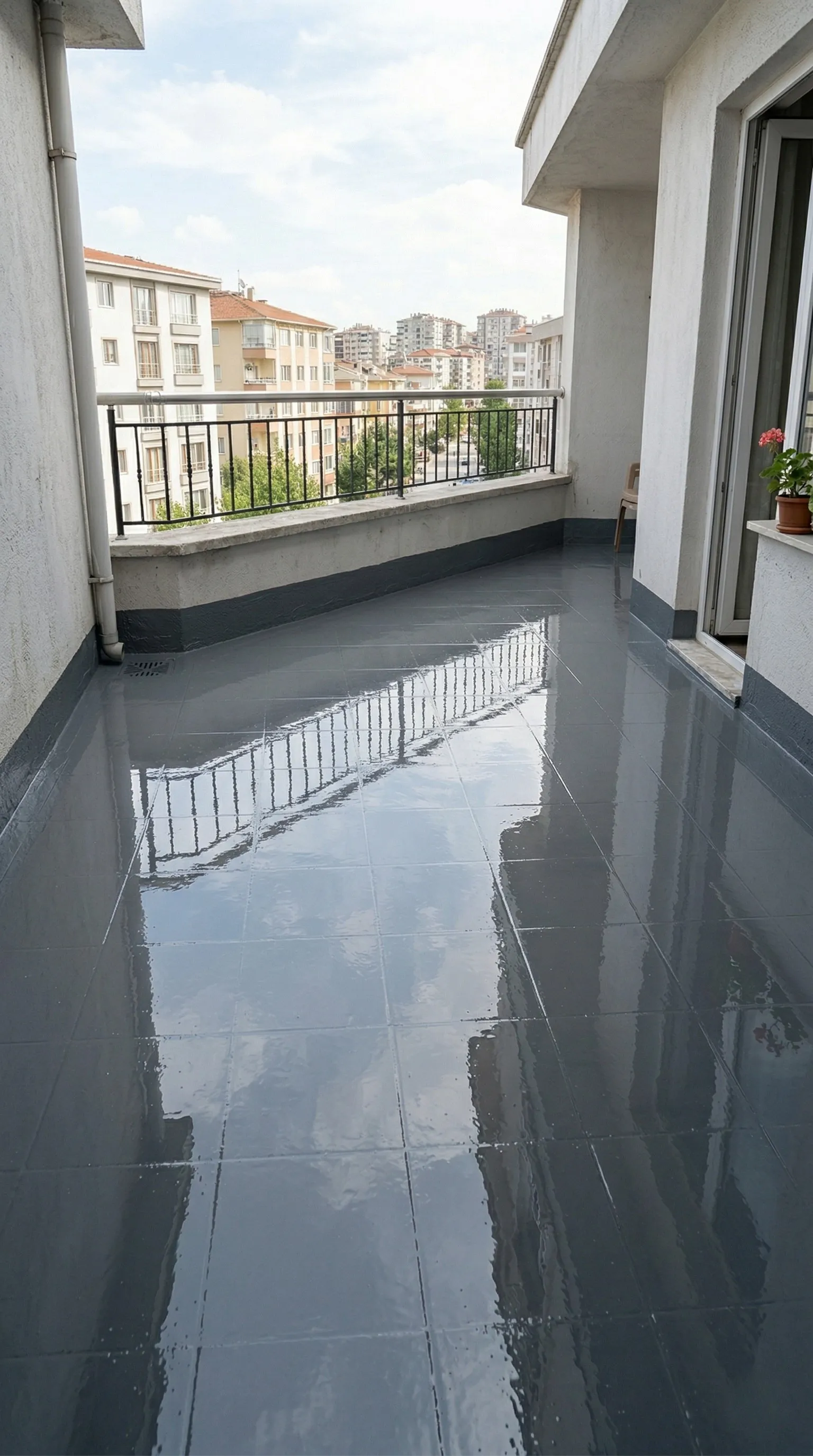
Typically used for insulating areas that are constantly exposed to water, such as bathrooms or balconies, this application provides solid water insulation with a semi- or fully elastic structure that is double-component. It is usually applied as a plaster on concrete or on the shell, ensuring that every stage of the insulation is performed correctly and that no gaps remain.
Spray-Based Insulation
Because spray insulation prevents the formation of cracks in the structure where it is applied, it provides effective water insulation. It is a preferred insulation system due to its good adaptation to the substrate and its permanence in moisture and water insulation.
A Key Step in Energy Efficiency and Building Protection
Today, energy efficiency and the long life of buildings are among the top priorities in building design and construction. For this purpose, different insulation methods have been developed and applied. In this article, we will discuss what "SPRAY-BASED INSULATION" is, its advantages, and the application stages.
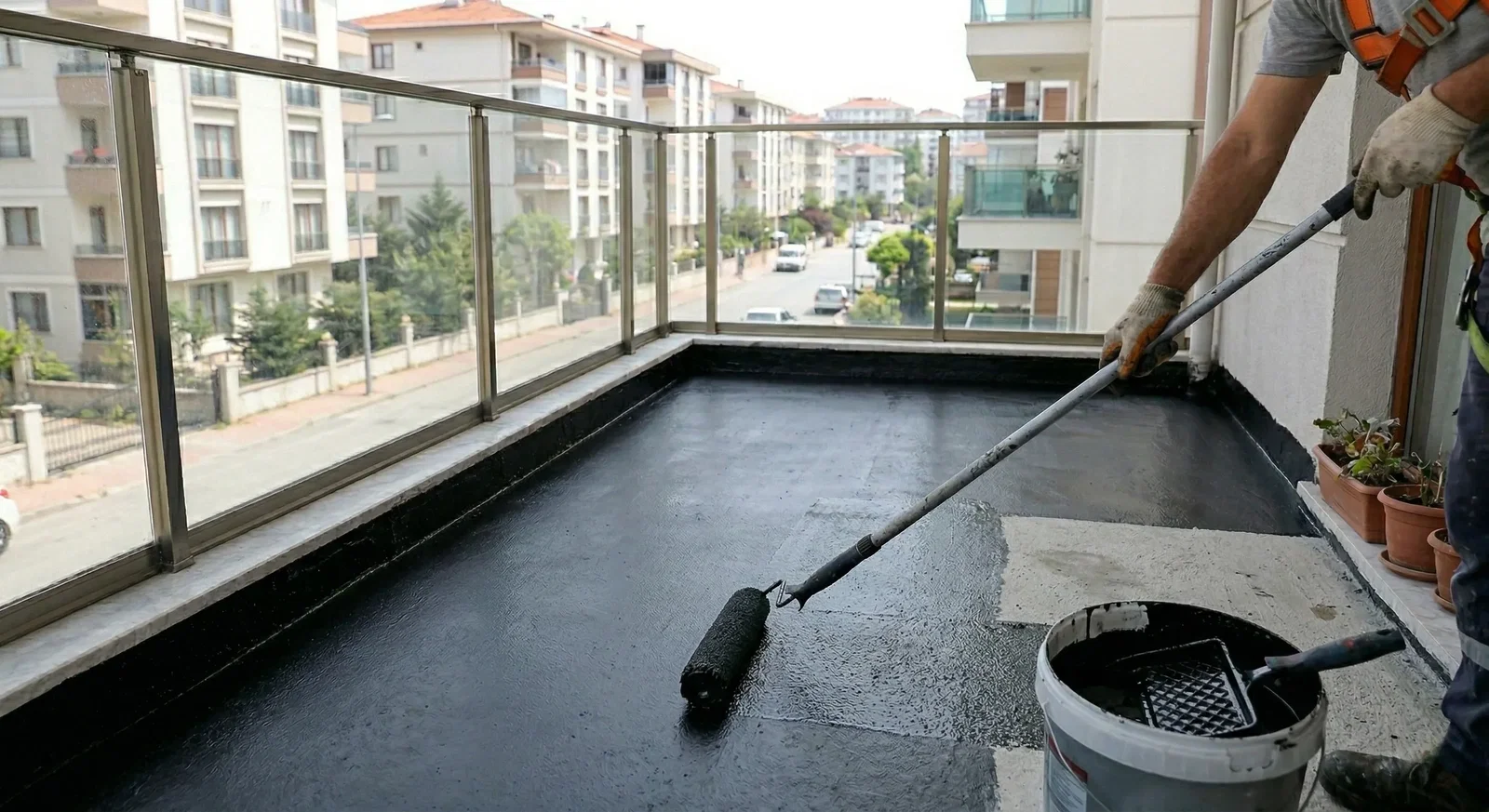
What is Roll-On Insulation?
Roll-on insulation is an insulation method applied from the outside to building facades. In this method, special insulation materials are applied to the building's exterior surface and then covered with a durable coating. Thus, while protecting the building from external factors, the interior energy efficiency is increased.
What are the Advantages of Roll-On Insulation?
Roll-on insulation has many advantages. First, this method applied to building surfaces reduces heat loss to a minimum. This allows buildings to be heated and cooled more effectively, contributing to lower energy bills.
Additionally, roll-on insulation also provides waterproofing. Especially in rain and humid conditions, water infiltration into the building walls is prevented. This increases the durability of structures while preventing interior moisture.
From an aesthetic standpoint, roll-on insulation is also highly advantageous. With coating materials in various colors and textures, building facades are visually enriched and gain an aesthetic appearance.


Warranty and Maintenance: The company should clearly explain the warranty and maintenance services they will provide after the job is completed. Post-job support and troubleshooting services are important.
Insurance and Assurance: Learn about the company's workplace safety measures and insurance coverage. This is important for dealing with potential risks.
Communication and Professionalism: The company's communication style, response speed to your questions, and overall professionalism can affect the collaboration process.
Local Labor: If possible, preferring local firms can facilitate communication and project management.
Contract: Ensure a written contract that includes the scope of work, duration, cost, and other details.
Comparing different firms, reviewing references, obtaining detailed quotes, and conducting thorough research will help you choose the right spray-based insulation company.