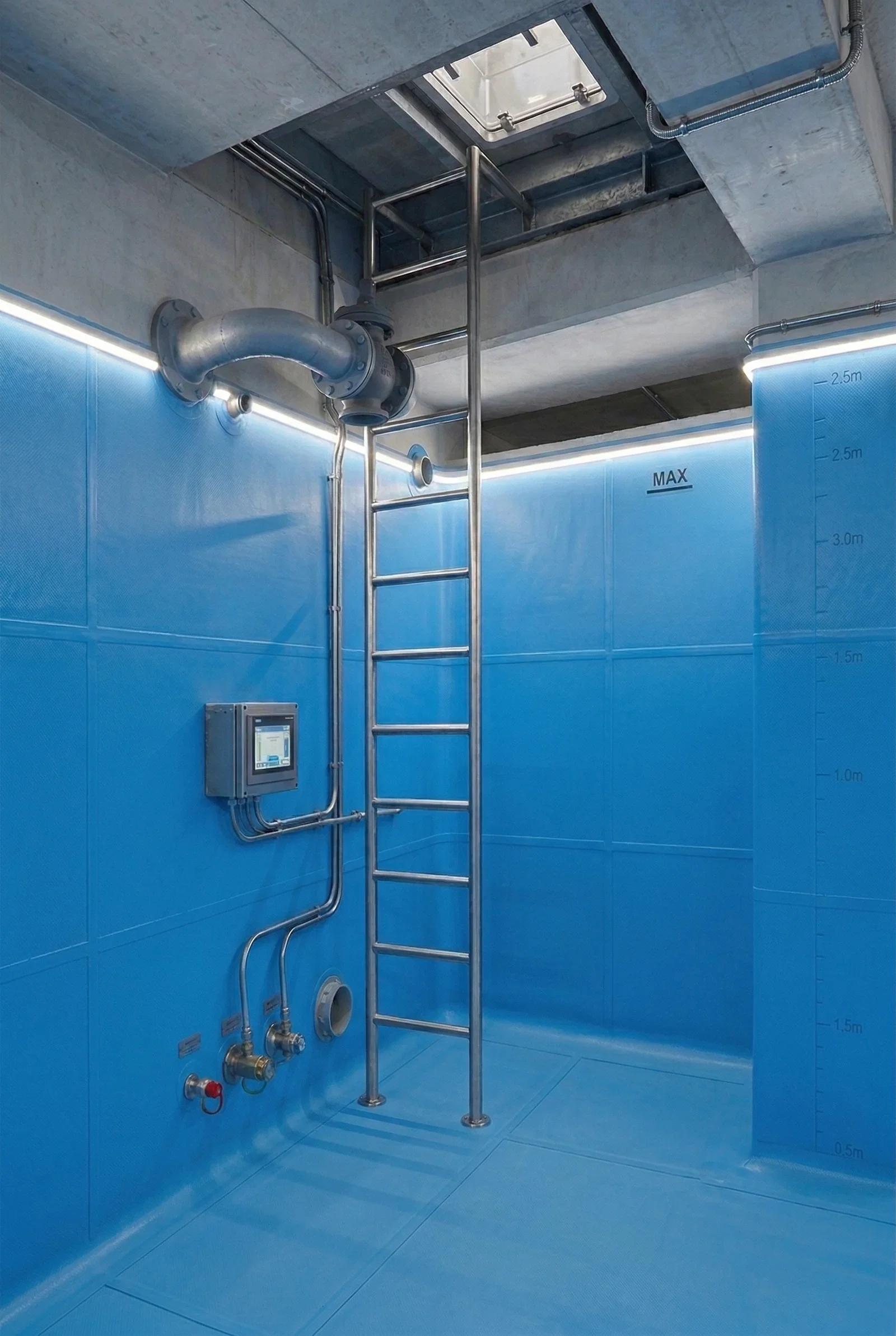
Control of water, our source of life, has been one of humanity’s most vital issues from ancient times to the present. The primary purpose of controlling water is to prevent it from moving from one side to the other. So how? Thanks to experience gained and technological developments, a wide variety of water‑insulation applications, brands, and materials have emerged. The choice of application, brand, and material is of great importance for healthy insulation. Selecting the most suitable option for the area where insulation will be performed requires professionalism. Regardless of the building or its location, healthy and effective water insulation is only possible by applying the right method, the right material, at the right place and time.
**Water tanks, types of water‑insulation materials:**
- Cement‑based coating or spraying method systems
- Polyurethane‑based coating or spraying method systems
- PVC, EPDM, or FPO membrane coating systems
The main types of materials used for insulating water tanks and their explanations are as follows:
**Cement-Based Insulation Systems:**
These systems involve an insulation method that uses cement-based coatings. They can be applied by spraying or brushing. Cement-based insulation covers the interior surface of the water tank, preventing water seepage and evaporation. It also provides durable and long-lasting insulation. When applied to the tank surface, it forms a hard coating.
**Polyurethane-Based Insulation Systems:**
Polyurethane insulation covers the interior surface of water tanks with an elastic coating, preventing water seepage. It adheres excellently to cracks and surface roughness, thereby sealing cracks and seams on the tank’s interior perfectly. Polyurethane insulation preserves water quality and creates a durable surface.
**PVC (Polyvinyl Chloride) Membrane Coating Systems:**
PVC membranes are flexible coating materials that are glued to the interior surface of the water tank to create a waterproof barrier. PVC membranes prevent water seepage and are durable. They are also hygienic and long-lasting.
**EPDM (Ethylene Propylene Diene Monomer) Membrane Coating Systems:**
EPDM membranes are elastic and long-lasting. They are resistant to chemicals and prevent water seepage. EPDM membranes are applied by gluing them to the interior surface of the water tank, forming a waterproof barrier.
**FPO (Thermoplastic Polyolefin) Membrane Coating Systems:**
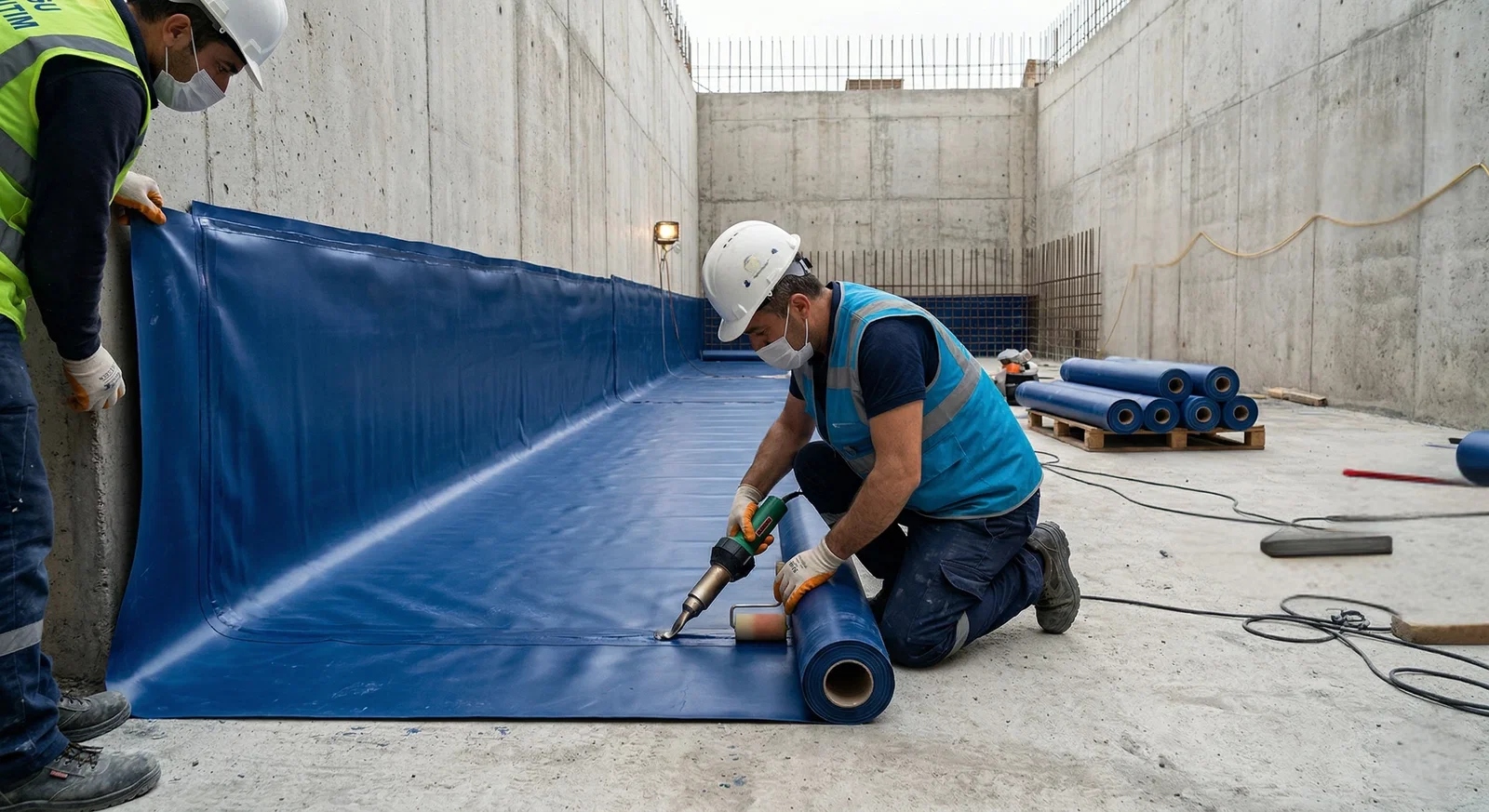
FPO membranes are applied by welding to the interior surface of the water tank. They prevent water seepage and provide a durable coating. FPO membranes are resistant to chemical effects and long-lasting.
Each material type can be chosen based on the water tank’s needs and local conditions. The selection of insulation material should consider factors such as preserving water quality, preventing water loss, and increasing tank durability. A professional water plumber or insulation specialist can help choose the most suitable material and method.
Water tank insulation is a process applied to protect the interior surfaces of tanks from external factors and water loss. Insulating water tanks preserves water quality, increases tank durability, and prevents water loss. It is also important for meeting hygiene and health standards in drinking water facilities. Here is information on how water tank insulation is performed and its advantages:
**Water Tank Insulation Methods:**
**Epoxy Coating:**
Epoxy resins are applied to water tank walls to create a waterproof coating. This coating prevents water from penetrating the tank and avoids chemical interactions.
**Polyurethane Foam Spraying:**
Polyurethane foam is sprayed onto the interior surface of the tank to provide water insulation. This method prevents seepage and eliminates surface roughness.
**PVC Membrane Coating:**
PVC membranes are glued to the interior surface of the water tank to create a waterproof barrier. This method is hygienic and long-lasting.
**Fiberglass Wraps:**
Fiberglass wraps are applied to the interior surface of the tank and provide a waterproof coating. This method is durable and chemically resistant.
**Ceramic Coating:**
Ceramic coatings are applied to the interior surfaces of water tanks to create a hard and smooth surface. These coatings prevent water from seeping in and are easy to clean.
**Advantages of Water Tank Insulation:**
**Preserving Water Quality:**
Insulation keeps water clean and healthy. Cracks or leaks in the tank’s interior surfaces can allow contaminants to mix with the water.
**Preventing Water Loss:**
Water tank insulation prevents seepage and evaporation. This allows water to be stored for longer periods and used efficiently.
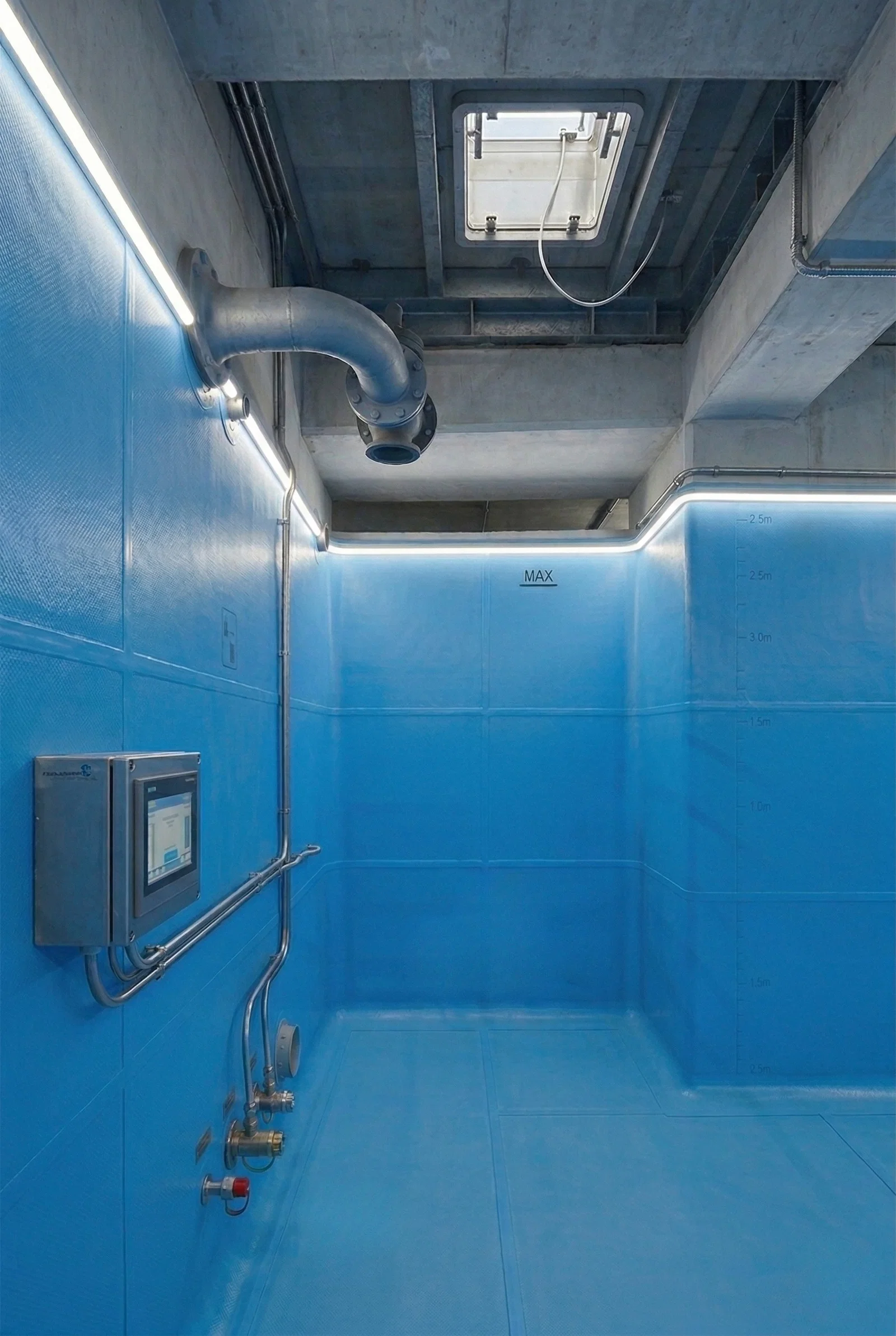
Increase Tank Durability: Insulation protects the interior surfaces of the tank and increases resistance to erosion or chemical damage.
Hygiene and Health: In drinking water facilities, tank insulation ensures that the water meets hygienic standards and reduces health risks.
Longevity: Proper insulation extends the life of the tank and reduces maintenance costs.
Environmentally Friendly: Insulation encourages more efficient use of water resources and reduces water waste, creating positive impacts on the environment.
Tank insulation is important for any type of tank where water is stored, especially in drinking water facilities. The insulation process should be carried out by professional water plumbers or construction specialists. This not only preserves the quality of the water but also ensures that the tank is long‑lasting and safe.
**Detailed information about membrane applications in tank insulation**
Membranes in tank insulation are an effective method used to make the interior surfaces of water storage tanks watertight and prevent water loss. Membranes prevent water from penetrating into the tank and reduce evaporation. This preserves the water quality, increases tank durability, and meets hygiene standards in drinking water facilities. Here is more information about how membranes are used in tank insulation and their advantages:
**Membrane Types:**
The most common membranes used in tank insulation are:
**PVC (Polyvinyl Chloride) Membranes:** PVC membranes are waterproof coatings applied to the interior surface to prevent water seepage and evaporation. PVC membranes are durable and easy to clean.
**EPDM (Ethylene Propylene Diene Monomer) Membranes:** EPDM membranes are elastic and long‑lasting. They are resistant to chemicals and prevent water seepage.
**TPO (Thermoplastic Polyolefin) Membranes:** TPO membranes are applied by welding to the interior surfaces of the tank. They prevent water seepage and are durable.
**Bituminous Membranes:** Bituminous membranes are used to prevent water from penetrating the interior surface of the tank. They prevent seepage and are resistant to chemical effects.
**Membrane Application Stages:**
**Preparation Procedures:** The interior surface of the tank is cleaned, repaired, and smoothed. All kinds of dirt and rust are removed.
**Membrane Selection:** Decide which type of membrane will be used and calculate the required amount of membrane.
**Adhesion or Welding of the Membrane:** The membrane is glued or welded to the interior surface of the tank. Seams are carefully welded to ensure watertightness.
**Closure and Finishing:** After the membrane is fully installed on the interior surface of the tank, any excess is trimmed and the insulation process is completed.
Membranes in tank insulation are an effective solution to make the interior surfaces of water storage tanks watertight and prevent water loss. The selection and application of membranes should be carried out by professional construction companies and specialists. This not only preserves the quality of the water but also ensures that the tank is long‑lasting and safe.