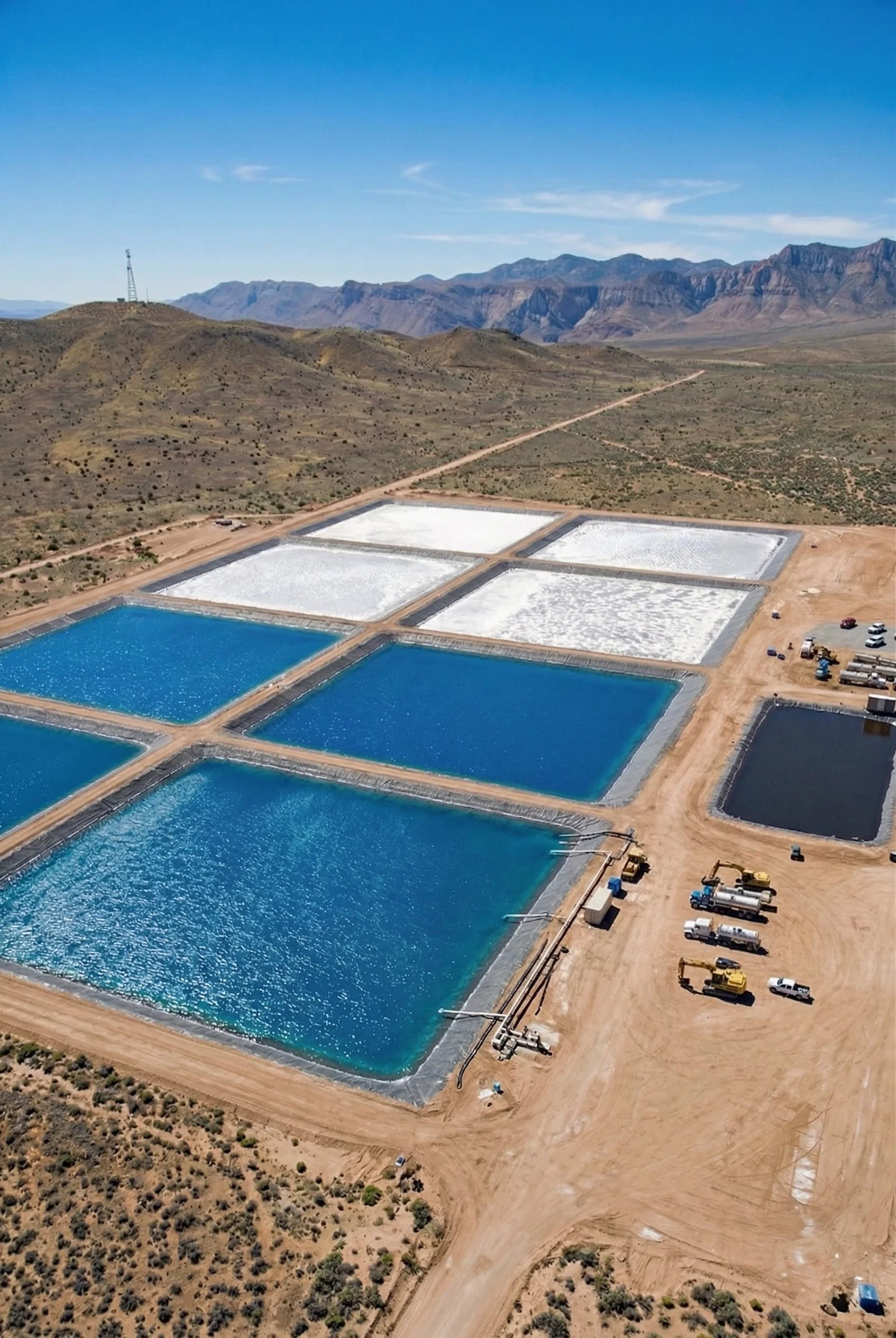
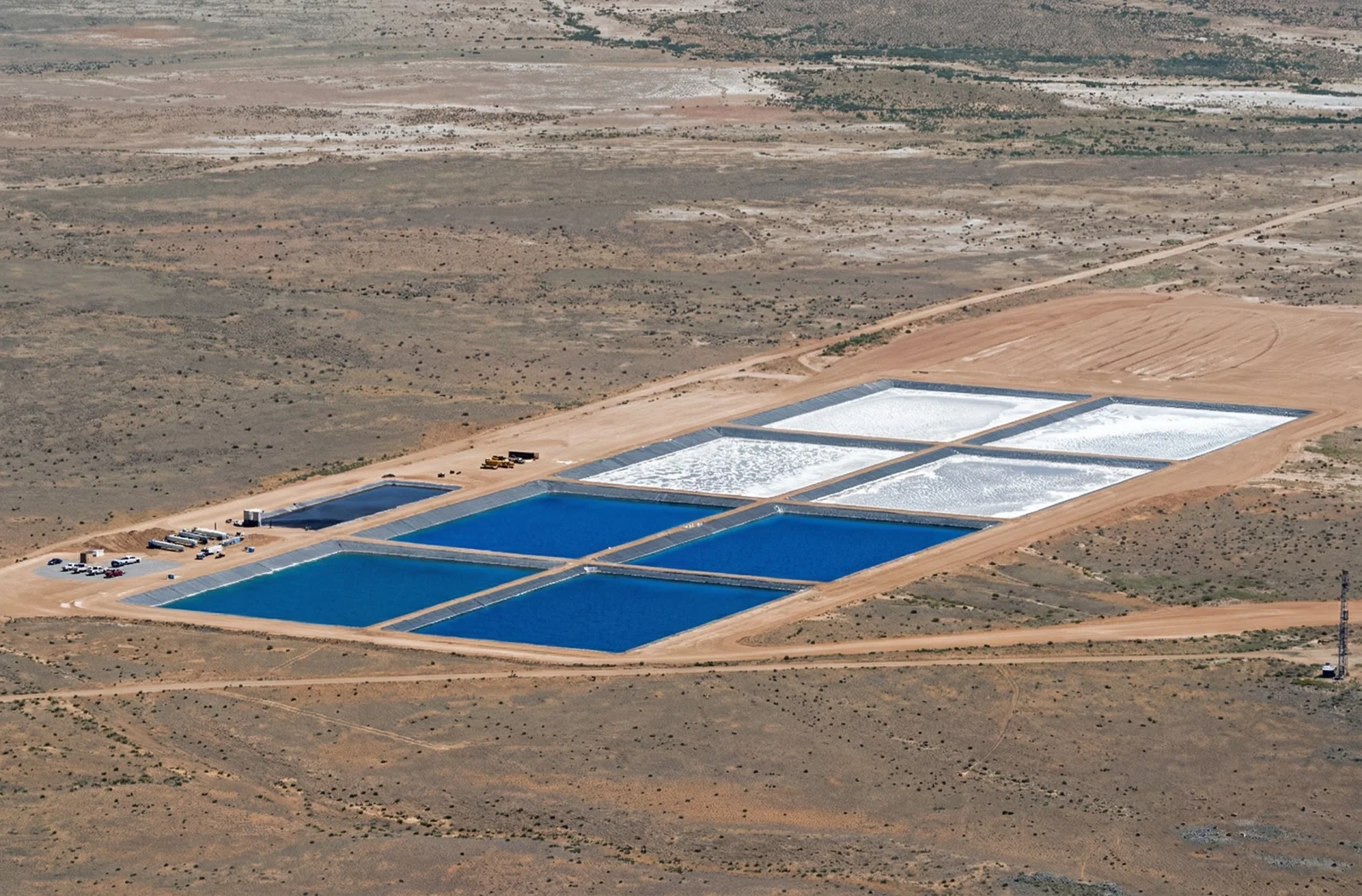
Rainwater harvesting irrigation ponds are designed and built as a water storage system that collects and stores rainfall, and is later used to irrigate agricultural fields or meet other irrigation needs. These ponds help ensure the efficient use of water resources, especially in arid regions, and contribute to the sustainability of those resources. Below you can find more information about rainwater harvesting irrigation ponds:
Rainwater Harvesting Irrigation Pond Features:
Collection Area:
A space is created for rainwater harvesting. This area represents where rainfall water is collected and directed. Roofs or flat surfaces are typically used for this purpose.
Water Collection System:
The rainwater harvesting system includes a system that collects rainfall water. This system directs the water to a collection point, usually using a hose or pipe.
Filtration and Cleaning:
When rainwater is collected, it can carry dirt and particles from roofs or soil surfaces. Therefore, the water is filtered and cleaned before entering the pond. This ensures the pond’s cleanliness and water quality.
Pond Storage:
The cleaned rainwater is directed to a specially constructed pond. The pond represents the main area where water is stored and used for irrigation.
Flood Control:
A flood control system is present in the pond to prevent flooding or to discharge excess water when necessary.
Irrigation System:
Water from the pond is directed to the irrigation system. This is used to irrigate agricultural areas or meet other irrigation needs.
Advantages of Rainwater Harvesting Irrigation Pond:
Protection of Water Resources:
Rainwater harvesting prevents the lowering of groundwater levels and contributes to the protection of local water resources.
Sustainable Irrigation:
The rainwater harvesting system ensures sustainable irrigation of agricultural areas, which increases plant productivity.
Reduction of Water Costs:
Rainwater harvesting reduces the cost of water used for irrigation, because rainfall water is free.
Environmentally Friendly:
Rainwater harvesting encourages more efficient use of water and reduces water waste, which has positive effects on the environment.
Independence:
The rainwater harvesting system increases independence with local water supply and is useful when water resources are limited during drought periods.
Rainwater harvesting irrigation ponds are an important water collection and storage solution that helps manage water resources sustainably. The design and implementation of such systems are customized according to local conditions and needs and encourage efficient use of water.
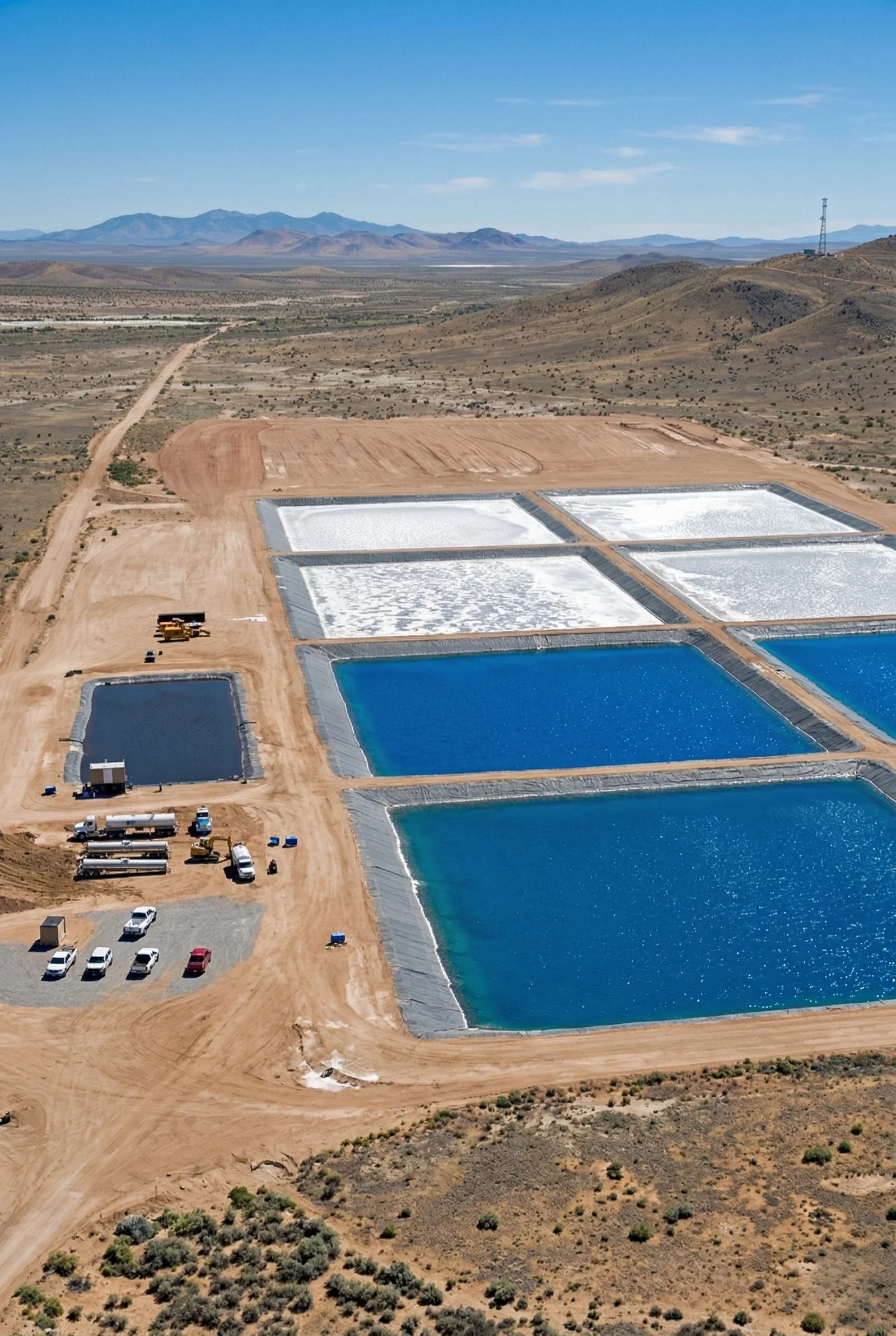
Rainwater Harvesting Irrigation Pond Membrane Applications
Membrane applications in rainwater harvesting irrigation ponds provide a way to store and irrigate rainwater more efficiently by preventing seepage and evaporation. Membranes are applied to the pond’s bottom and side walls, preventing water from penetrating the pond.
Here is more information about the advantages and implementation of membrane applications in rainwater harvesting irrigation ponds:
**Advantages:**
**Water Protection:** Membranes prevent rainwater from disappearing and stop seepage. This allows water to be stored and used for a longer period.
**Water Quality:** Membranes prevent water from becoming polluted and from falling into the pond. This preserves water quality and makes it more suitable for irrigation.
**Meeting Irrigation Needs:** Thanks to the stored water, membranes can be used to meet irrigation needs. This is useful for irrigating agricultural areas or other irrigation purposes.
**Sustainability of Water Resources:** Rainwater harvesting irrigation ponds provide sustainable water management by using local water resources more efficiently.
**Preventing Water Waste:** Membranes reduce evaporation, minimizing water loss. This encourages more effective use of water.
**Membrane Application Stages:**
**Preparation Procedures:** The pond area is cleaned and leveled. The soil is flattened and smoothed.
**Membrane Selection:** The membrane material is chosen. Usually waterproof geomembranes or similar materials are used.
**Membrane Installation:** Membranes are carefully placed on the pond’s bottom and side walls. Seams are made watertight using special equipment.
**Seam Inspection:** The seams of the membranes are inspected and watertightness tests are performed.
**Filling the Pond with Water:** After the membranes are installed and tests are successfully completed, the pond is filled with water.
Membrane applications in rainwater harvesting irrigation ponds help efficiently use water resources and prevent seepage and loss. The quality of the membranes and the application method are important factors that determine the system’s effectiveness. Therefore, it should be carried out by a professional engineer or insulation specialist. Contact us for solutions that meet your expectations with our technical competence and experience.