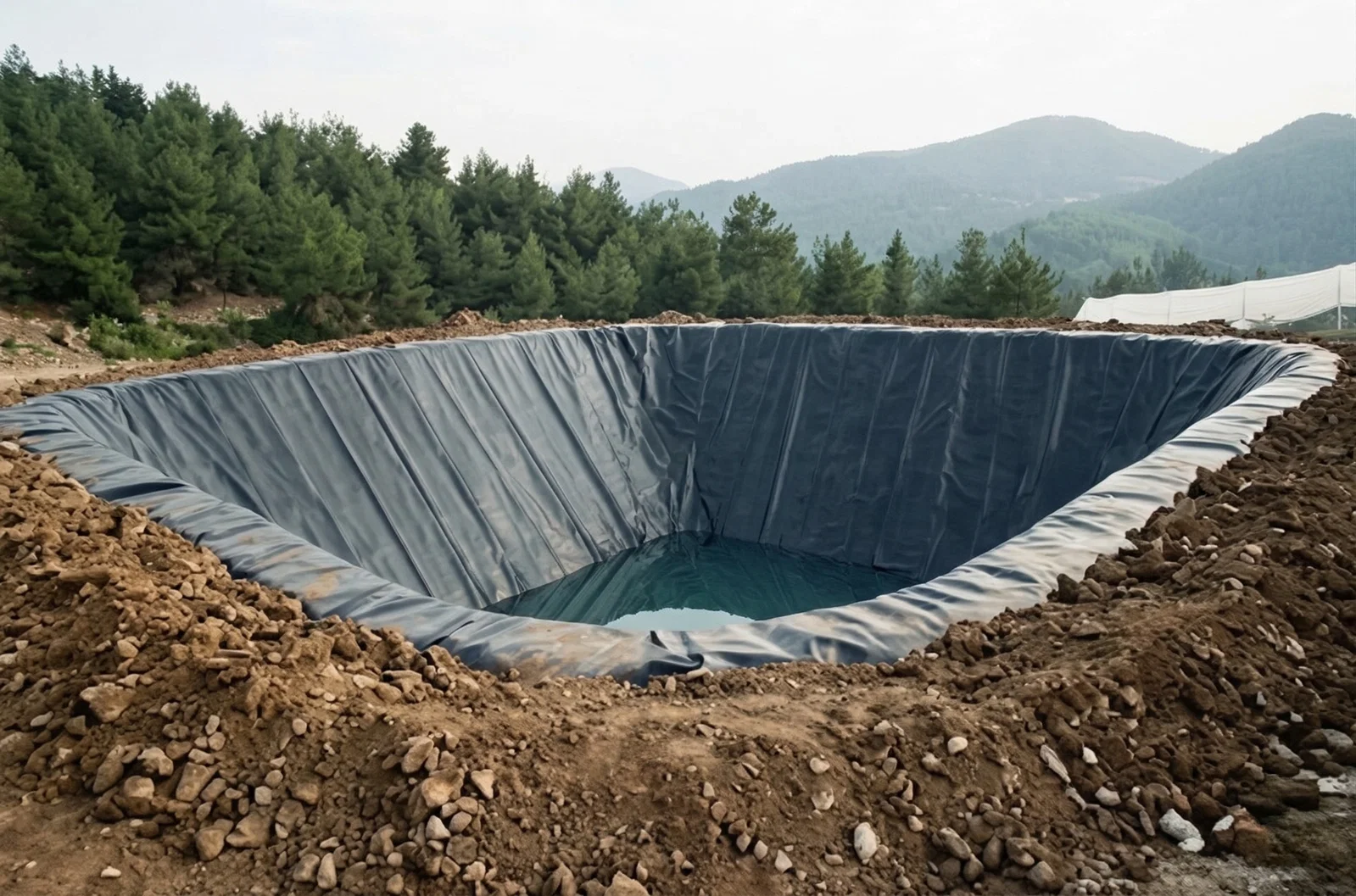
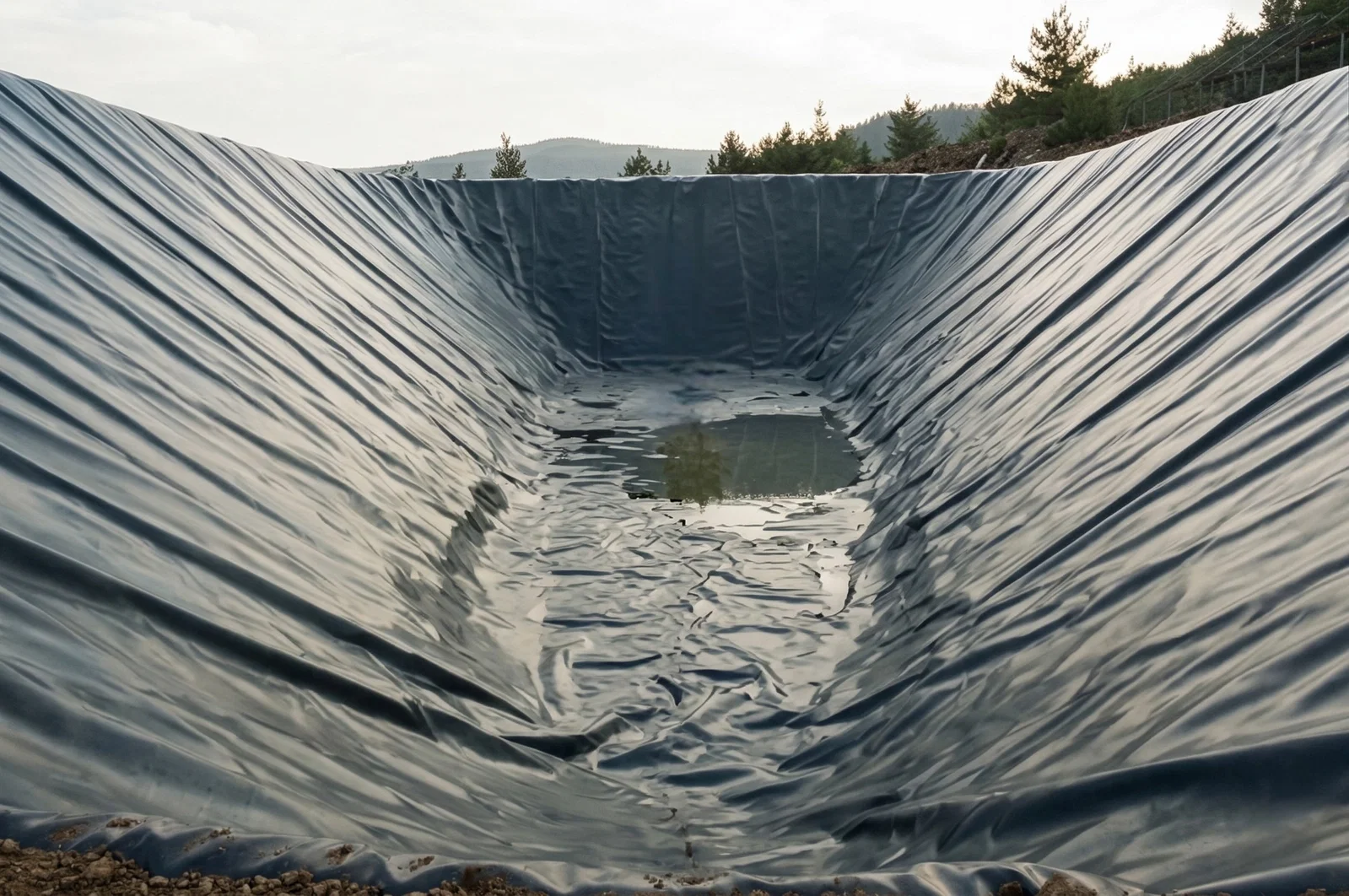
Watering in agriculture is the provision of water that the plant in the field needs and cannot obtain naturally, delivered by human hands at the right time and amount. The main principle in irrigation is to give the water brought to the field to the entire field equally and in the amount needed, with minimal loss. Today there are many irrigation systems. Choosing the correct irrigation system is as important as performing irrigation. When selecting an irrigation system, attention should be paid to the level of the field, the type of crop grown, the chemical and physical properties of the soil, the quantity and quality of irrigation water, and the climatic conditions such as wind, temperature, relative humidity, and rainfall in the region. Farmers' habits and economic situation are also important factors. Although all irrigation systems can be applied on flat land, in uneven terrain, sprinkler irrigation should be used, and in areas where wind is strong, a more suitable irrigation system should be chosen instead of sprinkler irrigation. Agricultural irrigation ponds are structures built to collect and store water to meet the irrigation needs of agricultural areas. These ponds help to use water resources effectively and provide water to plant growers during dry periods. Here is more information about agricultural irrigation ponds:
Agro‑irrigation ponds Objectives:
Irrigation: Water stored in the pond is used to irrigate agricultural products. This allows plant growers to use water resources more efficiently.
Water Storage: Storing water during dry periods ensures the continuity of irrigation water. This makes it possible to sustain agricultural production effectively.
Flood Control: Ponds prevent floods that can occur during heavy rainfall and reduce environmental damage.
Livestock Water Source: Agricultural irrigation ponds can also be used to provide drinking water for animals.
Construction Process of Agricultural Irrigation Ponds:
When constructing agricultural irrigation ponds, the following steps are followed:
Site Selection: The area where the pond will be built is carefully chosen. Access to water sources, soil conditions, and environmental factors are taken into account.
Design: The dimensions, shape, and water‑storage capacity of the pond are designed. Engineering calculations and local regulations are considered.
Excavation: The soil in the pond is excavated and shaped. This operation requires large equipment and labor depending on the size of the pond to be built.
Water Source: A water source that will supply water to the pond is identified. These sources can be groundwater, stream water, or rainfall water.
Sealing Materials: The base and surface of the pond are covered with sealing materials. This keeps the water in the pond.
Body and Flood Channels: The necessary body and flood channels are built to control the pond’s floods.
Construction Completion: Other details such as the surroundings of the pond, safety measures, and access roads are completed.
Irrigation System: An irrigation system that carries water from the pond for irrigation is installed. This system distributes water to the agricultural land.
Advantages of Agricultural Irrigation Ponds:
Irrigation Guarantee: The irrigation needs of agricultural products are met and efficient use of water resources is ensured.
Increased Productivity: Regular irrigation increases productivity and reduces crop losses.
Environmental Balance: Ponds have the potential to control floods and maintain environmental balance.
Protection of Water Resources: Because water resources are used more efficiently, groundwater levels are preserved.
Livestock Drinking Water: Ponds can be used as a drinking water source for animals.
Agricultural irrigation ponds play an important role as part of sustainable agricultural practices and promote the efficient use of water resources. These ponds increase the productivity of the agricultural sector while also having positive effects on the environment.
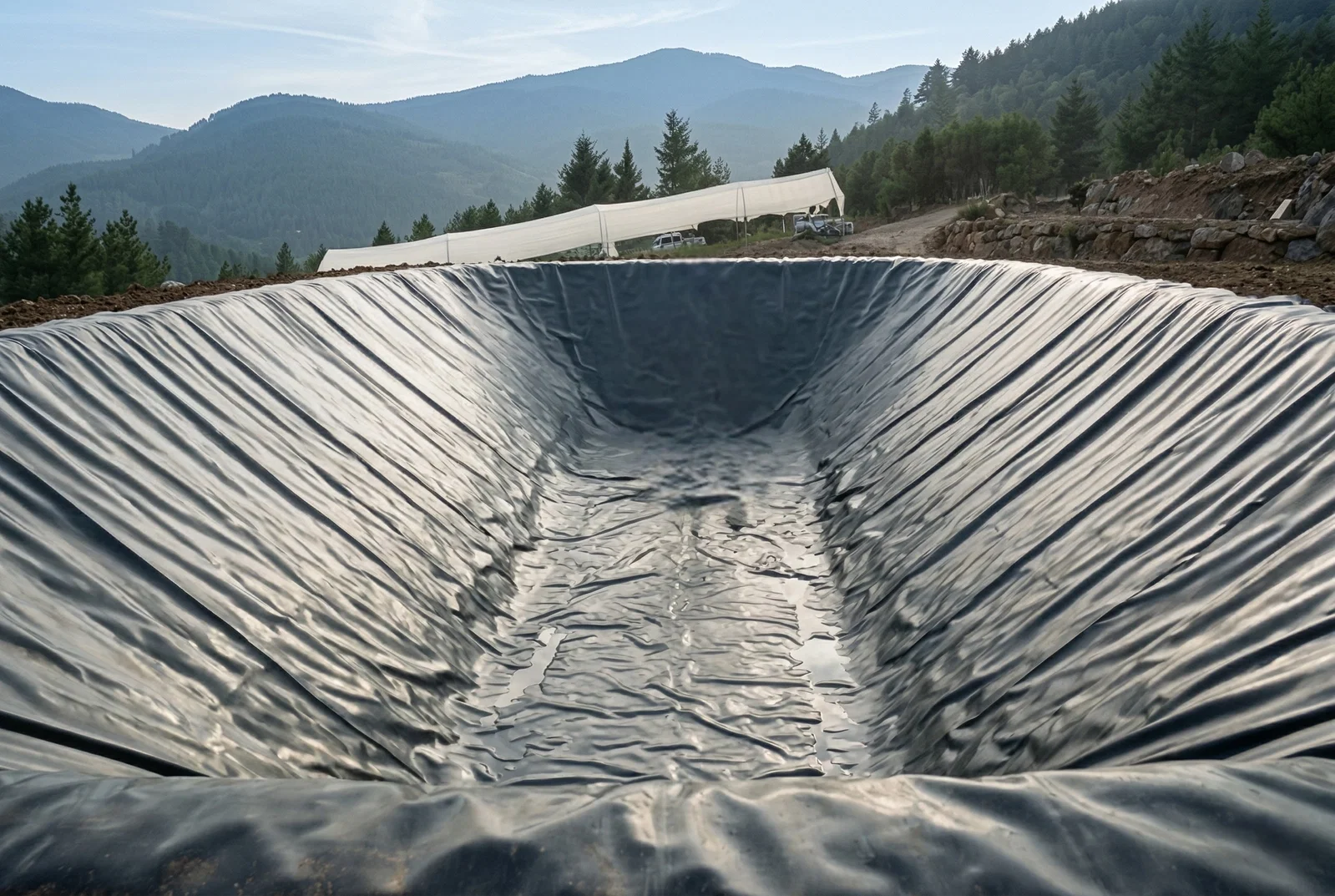
Isolation in agricultural irrigation ponds is an important process applied to prevent water from seeping into the pond and evaporating. Isolation ensures that water is stored efficiently and used for irrigation. It also increases the durability of the pond and extends its lifespan. Here are the basic facts on how to perform isolation in agricultural irrigation ponds:
**Agricultural Irrigation Pond Isolation Materials:**
There are various materials that can be used for isolation in agricultural irrigation ponds. These materials are used to prevent water from seeping and evaporating.
**Geomembranes:** Geomembranes are water-resistant polyethylene or PVC layers placed on the pond bottom and side walls. This material prevents water seepage and protects the water.
**Clay or Bentonite:** Clay or bentonite are natural materials that swell and form a waterproof barrier when in contact with water. Clay or bentonite layers placed on the pond bottom prevent water seepage.
**Bentonite Geotextile Clay Material:** A geotextile material coated with bentonite is used to prevent water seepage. This material swells on the surface it contacts, providing waterproofing.
**Sand and Clay Mixture:** A special sand and clay mixture applied to the pond bottom can reduce water seepage. This material creates a non-porous barrier.
**Steps for Applying Isolation in Agricultural Irrigation Ponds:**
**Preparing the Pond Area:** Before the isolation process, the pond area is cleaned, leveled, and smoothed.
**Material Selection:** Isolation materials are chosen. If a geomembrane will be used, factors such as thickness and durability are taken into account.
**Material Application:** Isolation materials are carefully placed on the pond bottom and side walls. If a geomembrane is used, seams are carefully welded.
**Testing the Seams:** If a geomembrane is used, seams are inspected to test water tightness.
**Closing and Finishing:** After the isolation materials are fully placed on the pond's side walls and bottom, any excess is cut off and the isolation process is completed.
**Filling the Pond with Water:** After the isolation process is completed, the pond is filled with the required amount of water for irrigation.
Note: The isolation process should be carried out by a qualified engineer or water construction specialist. Local regulations and the manufacturer's recommendations for isolation materials should also be followed.
Isolation in agricultural irrigation ponds ensures efficient use of water resources and helps the pond last longer. Good isolation prevents water seepage and loss, which supports an efficient irrigation system.
MZ TİCARET is a reference company that offers isolation advantages in agricultural irrigation ponds with its expert teams and use of next‑generation materials in membrane applications.