Applications and Strategic Advantages
Increasing Ground Bearing Capacity
In structures built on soft, sandy, or low-bearing-capacity soils, it spreads the load over a wide area to optimize the soil's bearing strength. This creates a critical safety layer, especially in the foundations of heavy-tonnage structures.
Reinforcement and Longevity in Road Construction
It is used as a reinforcement layer in projects exposed to dynamic loads such as highways, railways, and airport runways.
Deformation Control: Minimizes rutting and wheel track formation caused by vehicle tires.
Uniform Settlement: Reduces varying settlement risks in the ground, preserving the road's shape.
Separation and Material Savings
It acts as a barrier preventing the sub-base material from mixing with the natural soil.
Logistical Efficiency: Minimizes material loss by preventing fill material from seeping into the ground.
Performance Protection: Keeps the granular layer clean, preventing deterioration of the road's drainage and load-bearing properties.
Dynamic Load Damping
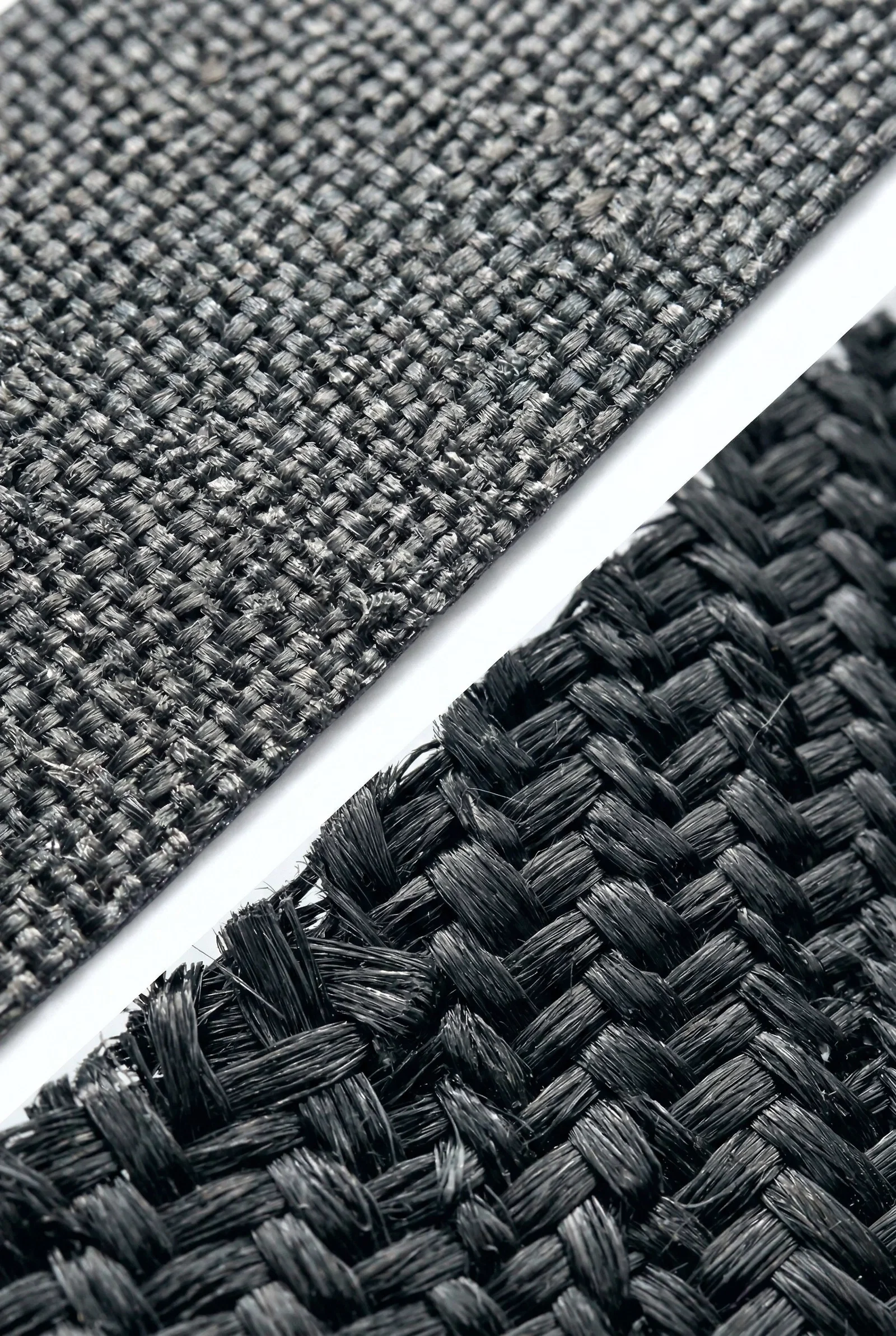
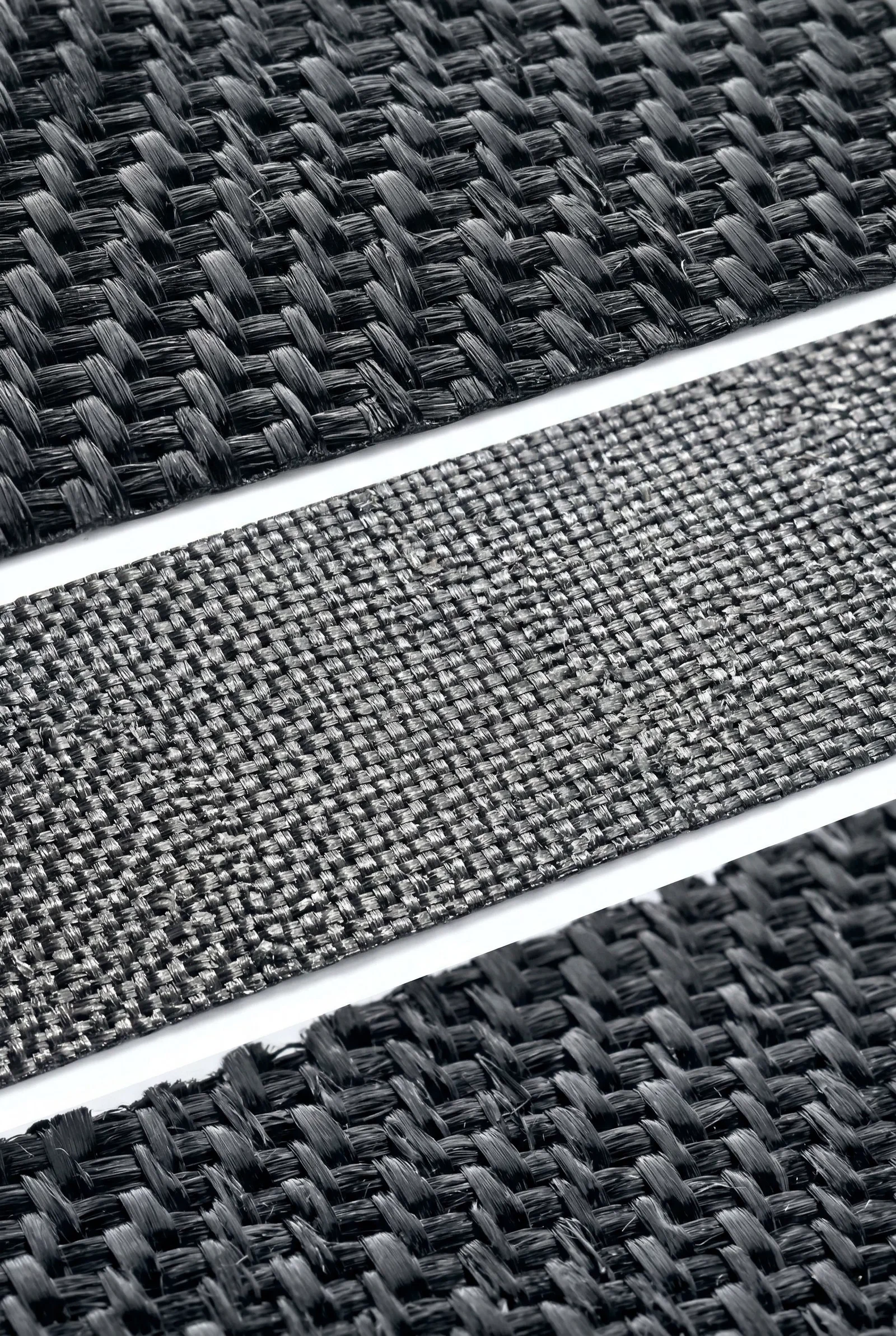
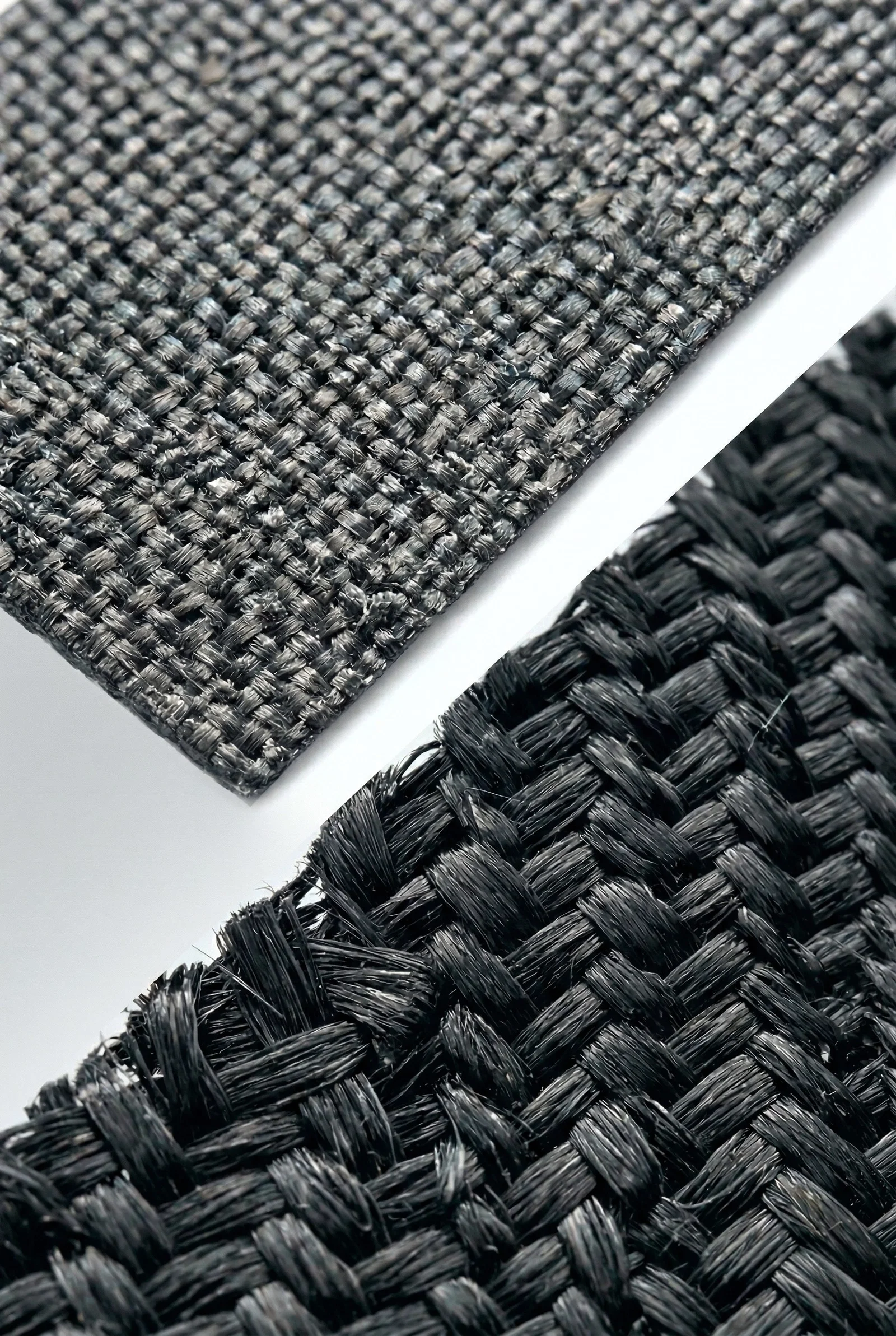
Thanks to its woven structure, it immediately dampens part of the applied vertical load into horizontal force. In areas experiencing local settlements, it creates edge resistance, slowing the road's degradation process.
Retaining Wall Stability and Erosion Control
It is preferred as a reinforcement element in steep retaining walls and support structures. It can be used as an alternative or complement to GeoArme (Geogrid-reinforced wall) systems.
Floods and Water Inundations: Prevents soil loss (erosion) during heavy rains and preserves the structural integrity of the retaining wall.
Feature
Advantage
Raw Material
100% Pure Polypropylene (Long-lasting and chemical-resistant)
Production Method
Double-sided weaving (High dimensional stability)
Low Elongation
Minimum deformation under high stress
Chemical Resistance
Full compatibility with acidic and alkaline soil conditions