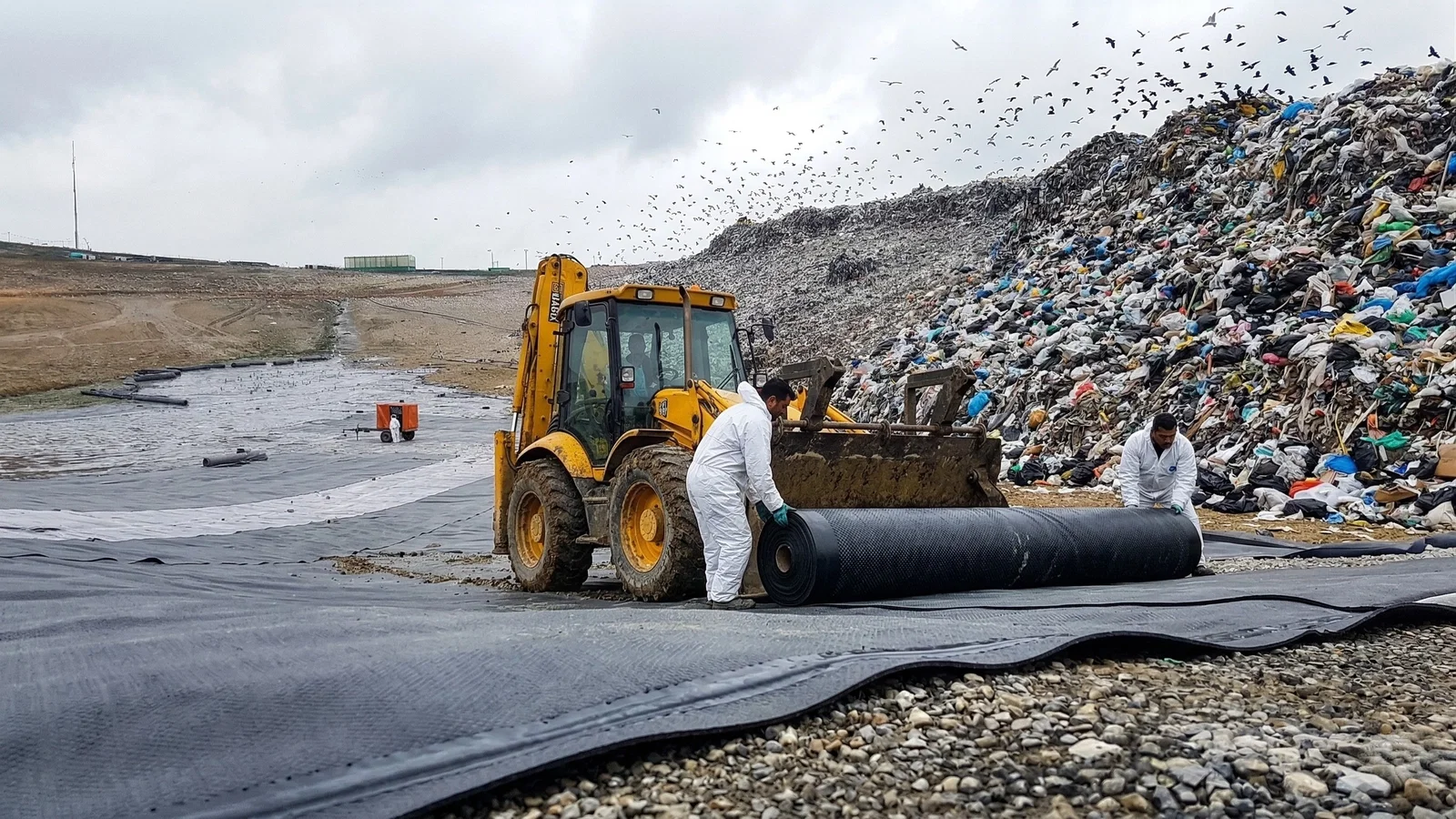
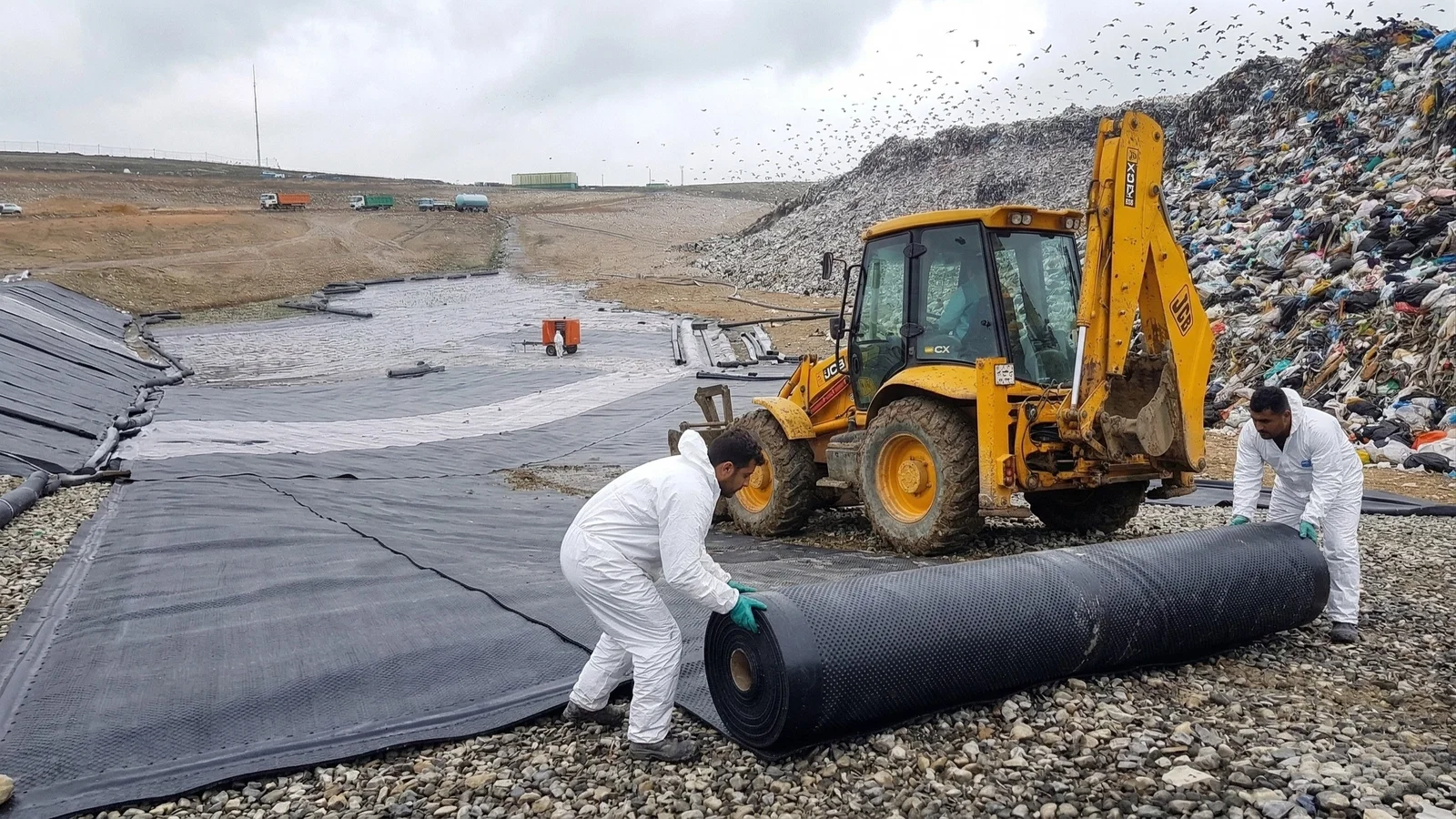
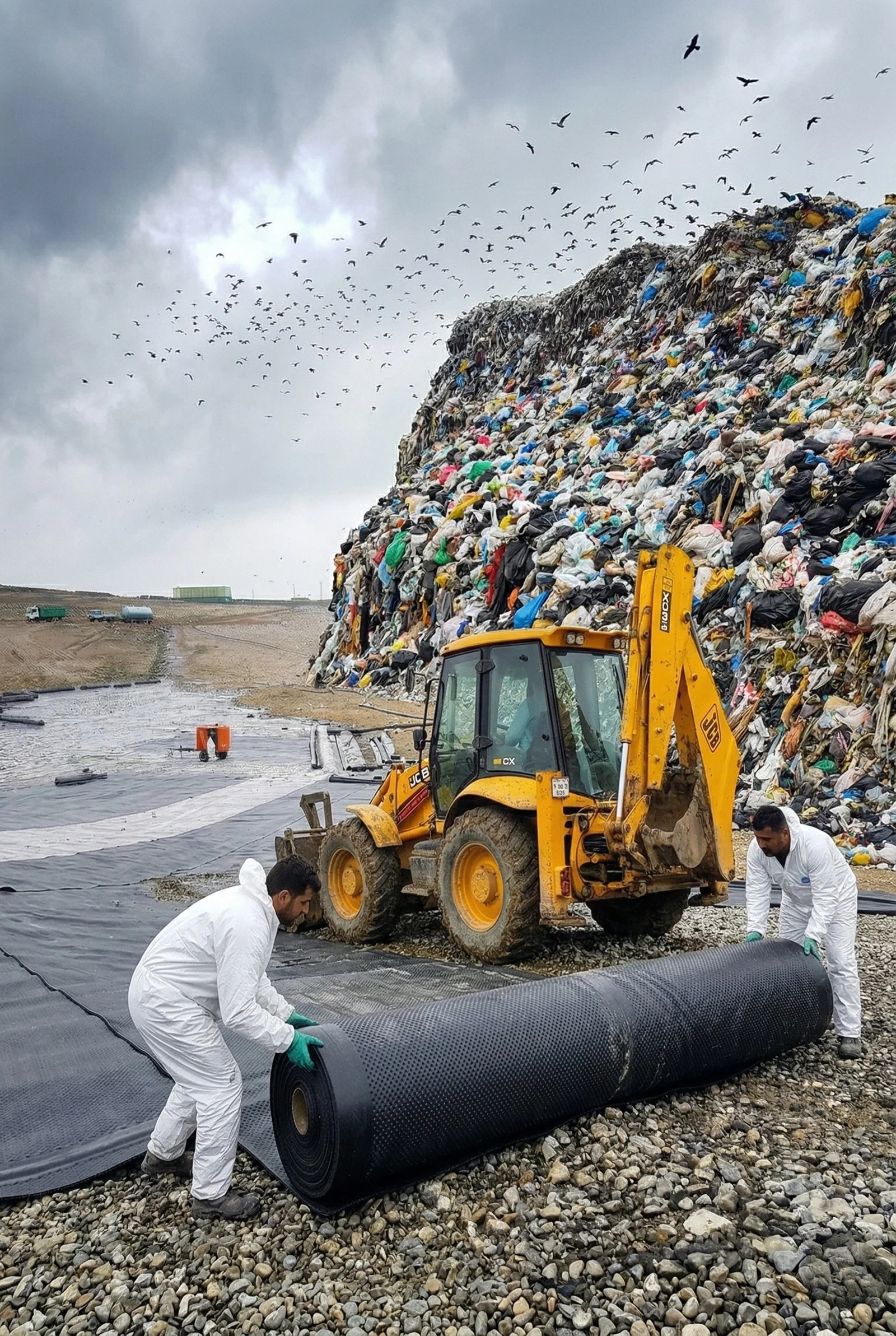
Use of Geomembranes in Solid Waste Storage Sites: Leak Control and Environmental Protection;
Solid waste management is an important environmental issue faced by modern societies. These wastes must be effectively controlled and disposed of. Solid waste storage sites are a commonly used method for safely storing waste. However, these sites must be protected against leaks and environmental impacts. Geomembranes are an important technology used to meet this need.
What is a Geomembrane?
Geomembranes are thin layers made from materials such as high-density polyethylene (HDPE), low-density polyethylene (LDPE), polyvinyl chloride (PVC), polypropylene (PP), and ethylene propylene diene monomer (EPDM). These materials have important properties such as waterproofing, chemical resistance, and long life. Geomembranes are used to provide leak control in solid waste storage sites.
The Role of Geomembranes in Solid Waste Storage Sites
Geomembranes undertake various important functions in solid waste storage sites:
Leakage Control: Geomembranes prevent leakage into the underlying soil and water sources, thereby preventing environmental pollution.
Environmental Protection: They reduce the environmental impacts of solid waste sites and prevent soil erosion.
Soil Stability: By serving as ground cover and drainage systems, geomembranes increase the soil stability of the site.
Long Life: Their high durability provides long‑term protection.
Geomembrane Application Process
The geomembrane application process includes:
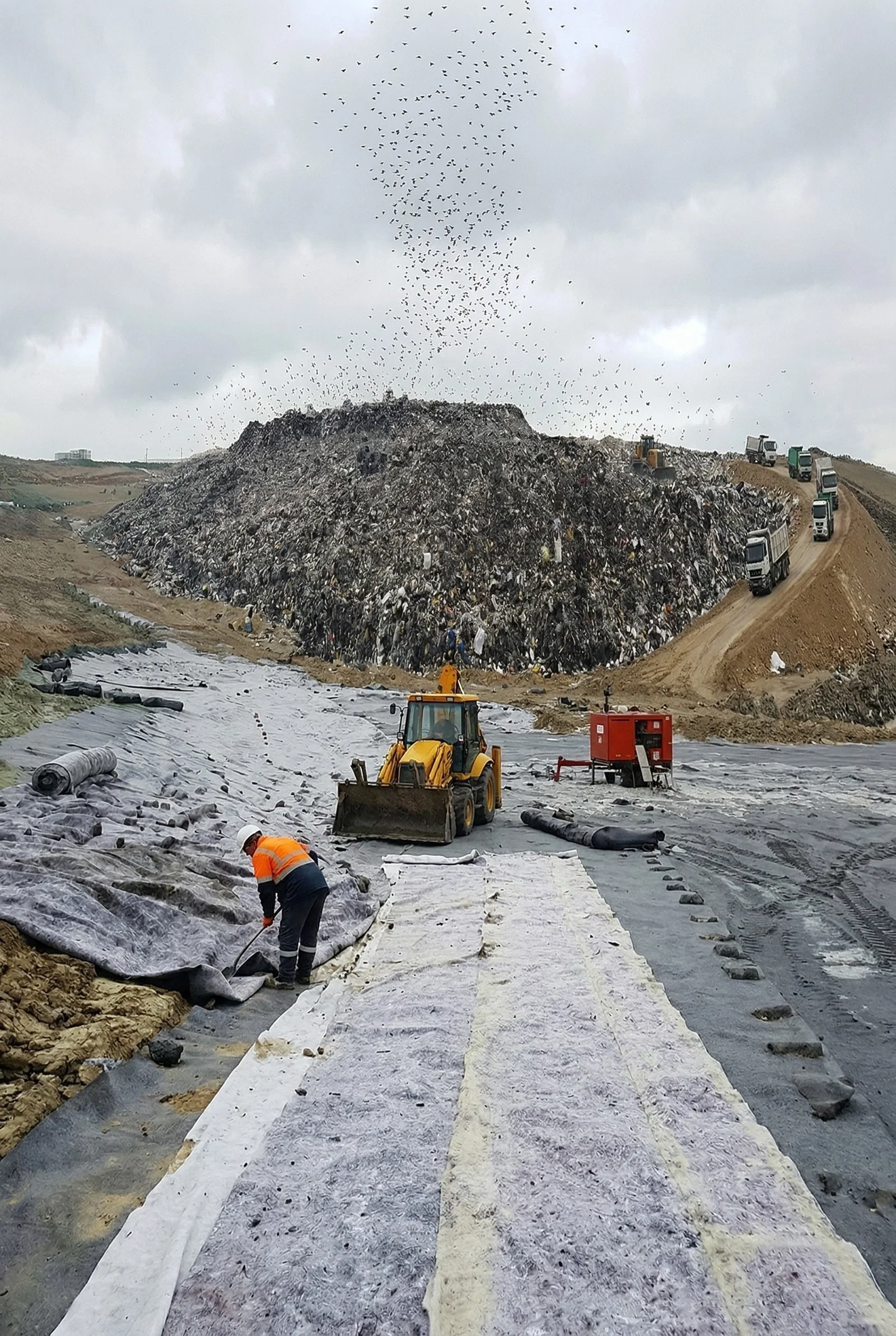
Site Preparation: A smooth surface is created on the site and necessary drainage systems are installed.
Material Selection: The geomembrane material is chosen to suit the site's needs and environmental conditions.
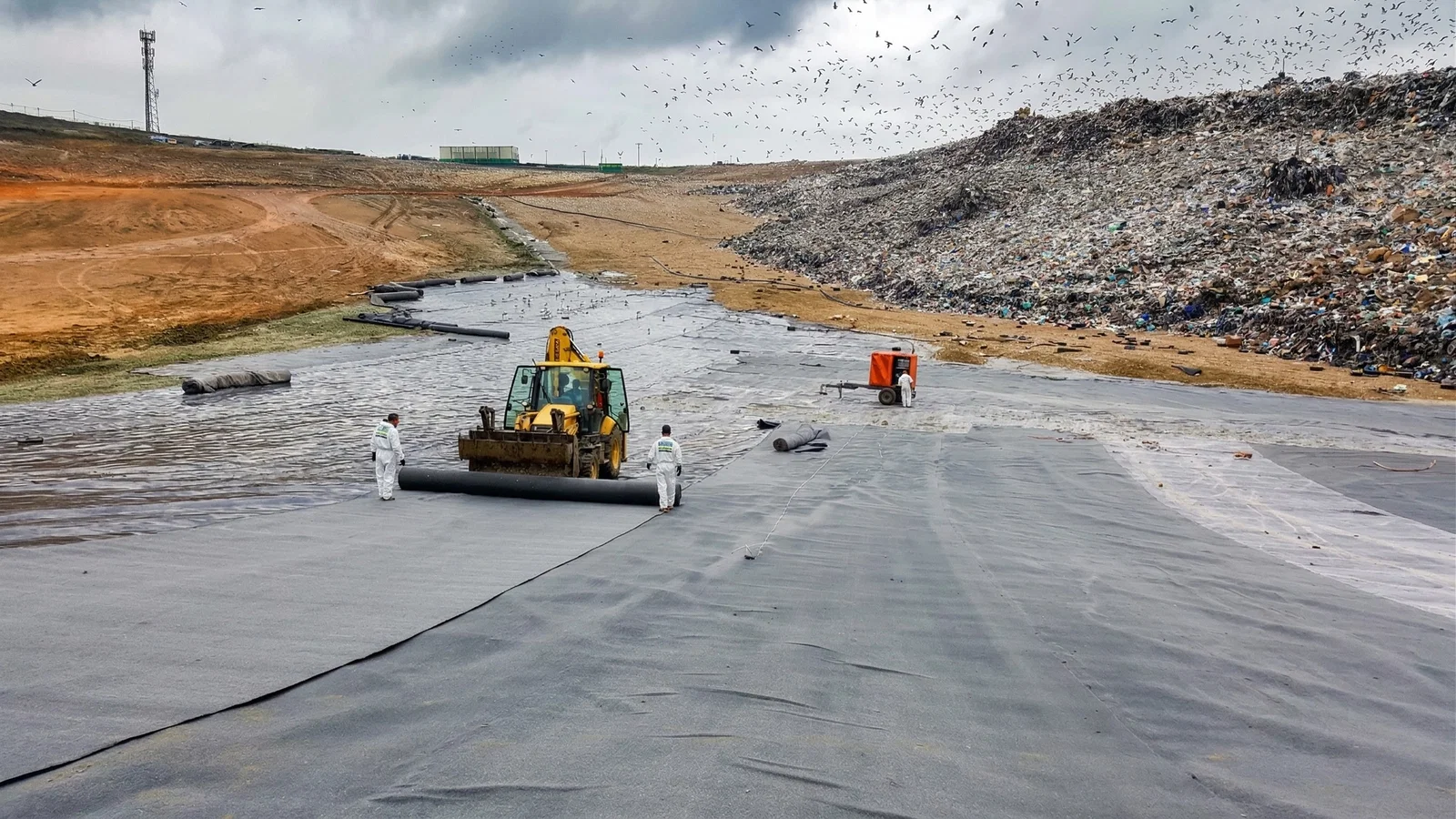
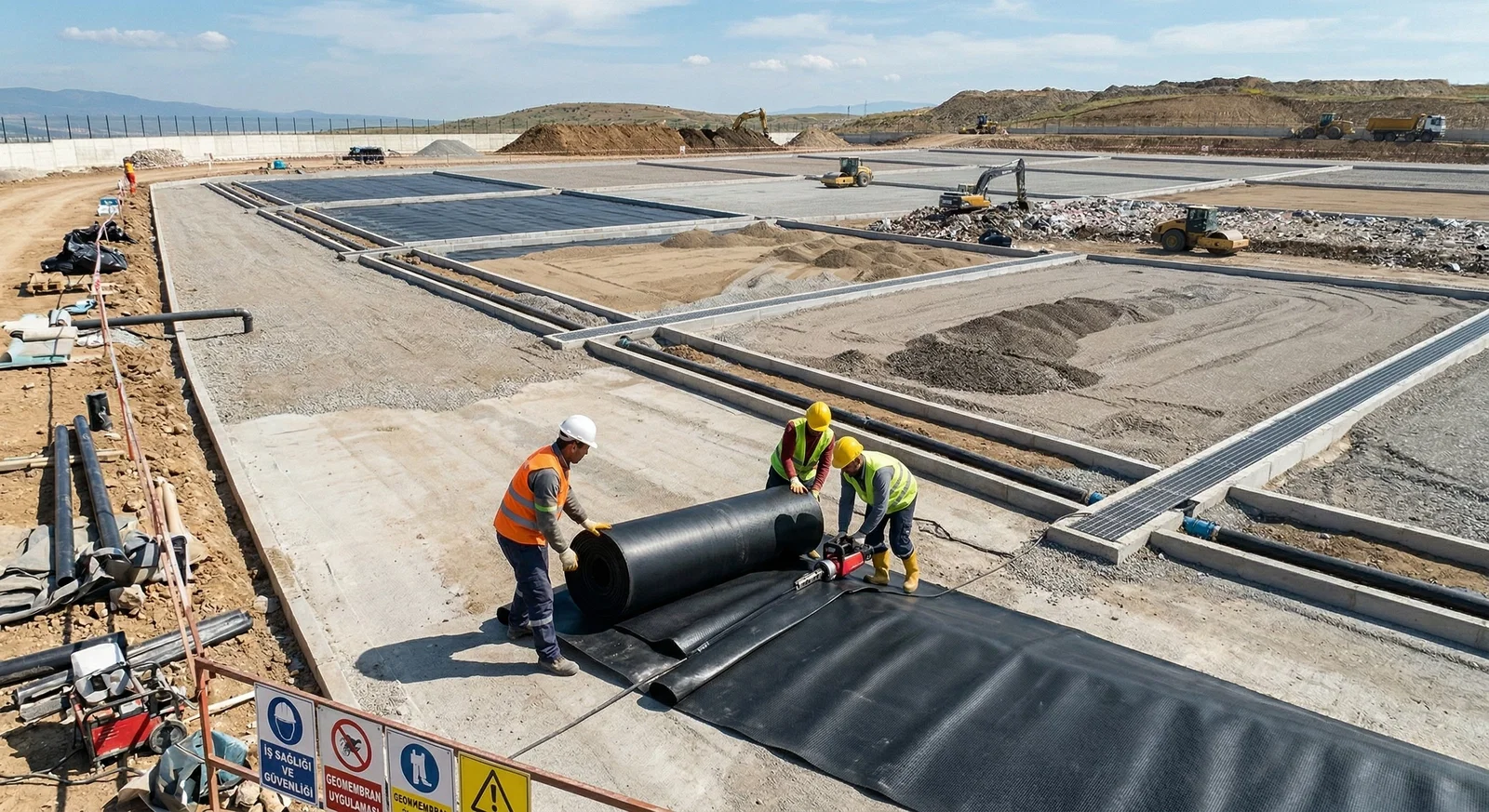
Installation and Welding: The geomembrane material is laid out properly and joined with welds.
Testing and Inspection: The geomembrane's impermeability and durability are tested to ensure the site operates correctly.
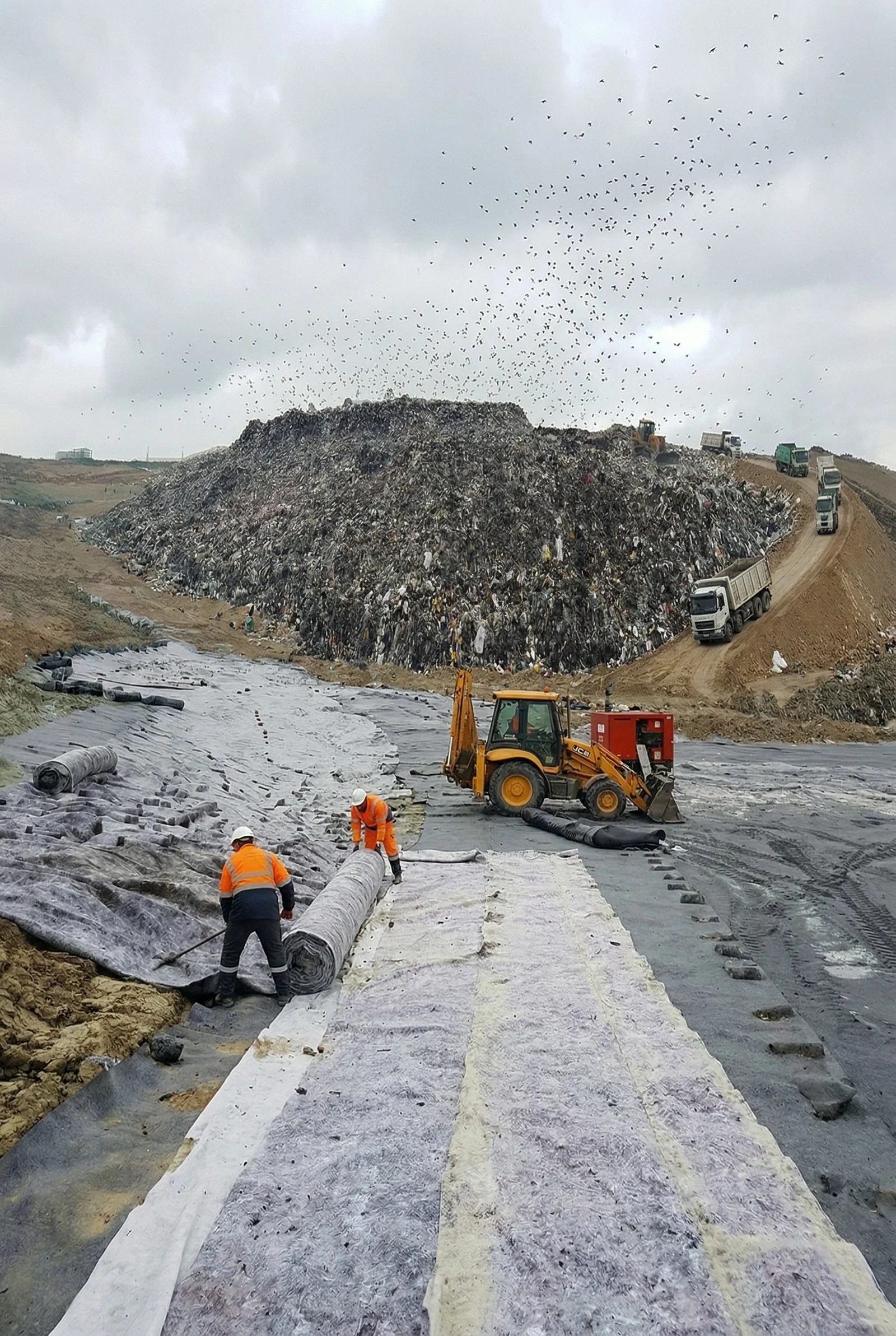
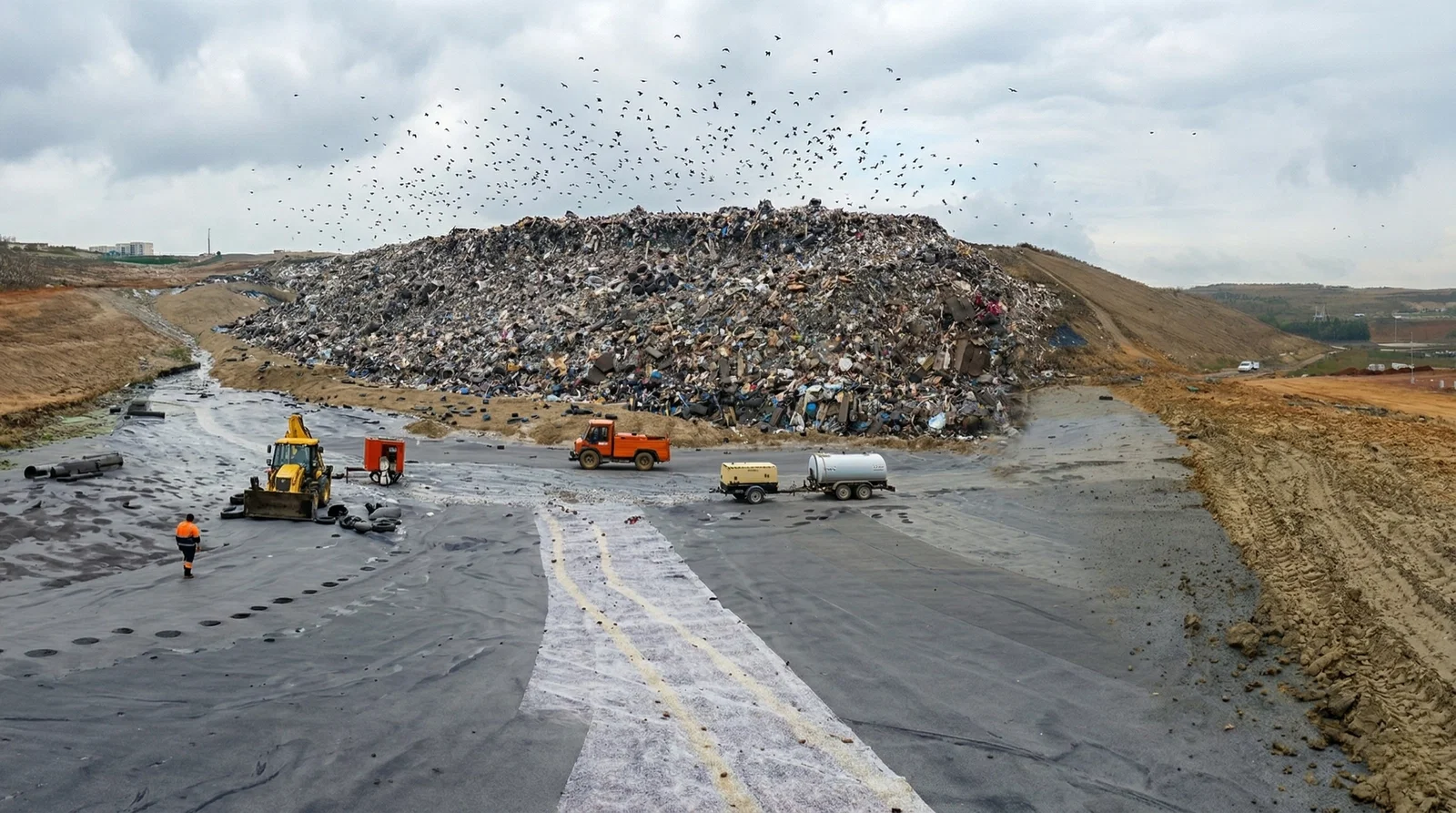
Geomembrane Application Process
The geomembrane application process includes the following:
Site Preparation: A smooth surface is created on the site and necessary drainage systems are installed.
Material Selection: The geomembrane material is chosen to suit the site's needs and environmental conditions.
Installation and Welding: The geomembrane material is laid out smoothly and joined with welds.
Testing and Inspection: The geomembrane's impermeability and durability tests are performed to ensure the site operates correctly.
Geomembrane Performance and Maintenance
Geomembranes require regular maintenance and should be monitored to ensure long‑term performance. Maintenance activities may include visual inspections, repairs, and leak control.
Example Projects
Many successful solid waste landfill sites around the world demonstrate the effective use of geomembranes. These projects serve as examples in terms of environmental protection and leak control.
Using geomembranes in solid waste landfills is an effective method for environmental protection and leak control. This technology plays an important role in waste management and is expected to see further development and innovation in the future.
Leak Control: Geomembranes provide one of the most important functions in solid waste landfills: leak control. These thin membranes prevent leaks into the soil and groundwater beneath the landfill. This, in turn, prevents environmental pollution and groundwater contamination.
Environmental Protection: Geomembranes minimize the environmental impacts of the site. From an environmental protection standpoint, they prevent soil erosion around the landfill and stop the spread of waste. This is of great importance for environmental sustainability.
Soil Stability: By serving as a ground cover and drainage system, geomembranes increase the soil stability of the site. This enhances the long‑term durability of the site and prevents soil slides and erosion.
Durability: Geomembrane materials are resistant to chemicals and ultraviolet (UV) radiation. These properties ensure the long‑term performance of geomembranes and are critical for the safety of the waste site.
Long Life: Geomembranes are durable materials designed for long‑term use. Therefore, they guarantee the long‑term functionality and safety of solid waste landfills.
Flexibility and Applicability: Geomembranes offer flexible structures that can be adapted to sites of different shapes and sizes. This provides flexibility to offer solutions suitable for various geographic conditions.
Controlled Drainage: Geomembranes allow control of rainwater and seepage on the site. This is important for managing water levels inside the waste site and preventing leaks.
Compliance with Environmental Regulations: In many countries, solid waste landfills must comply with environmental regulations. Geomembrane use is an effective method for meeting these regulations.