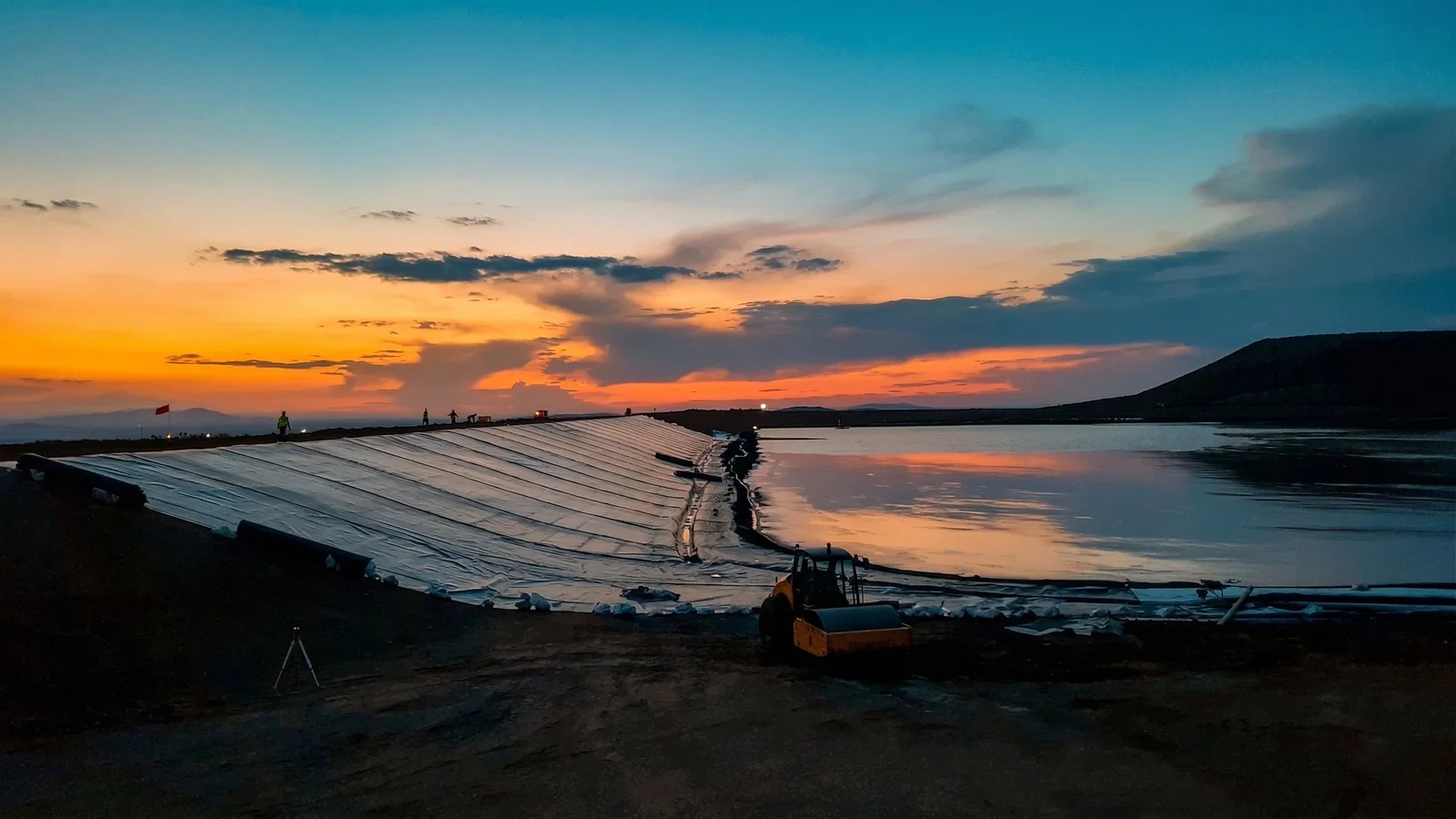
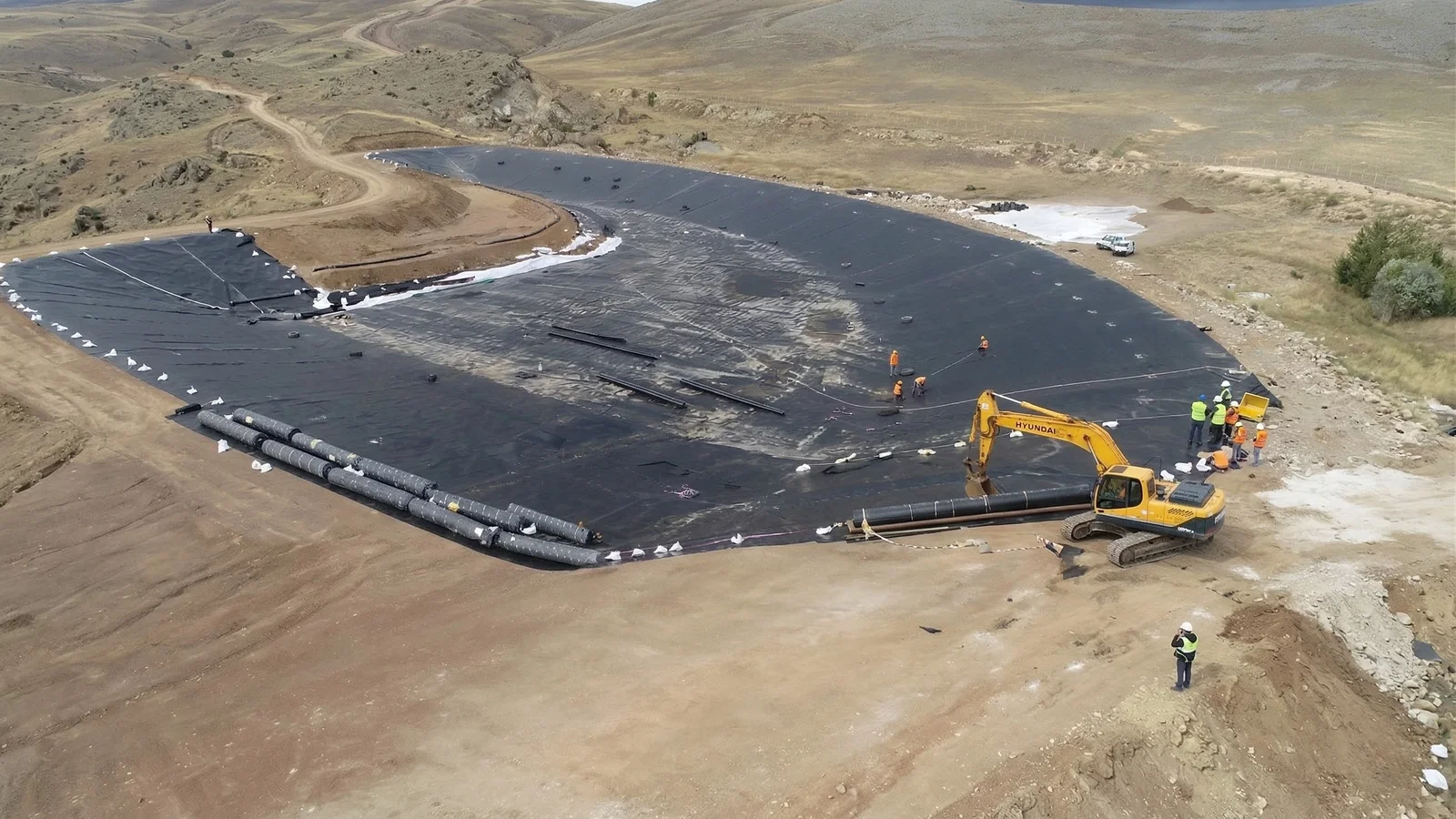
Mining waste storage sites are areas used to safely and appropriately store waste generated during mining activities. These sites are designed to prevent the spread of harmful substances from the waste to the environment and human health, and to ensure long‑term storage of waste without damaging the environment.
Mining waste storage sites are designed with consideration of the waste’s physical, chemical, and biological characteristics. These sites are typically surrounded by concrete walls and topped with a waterproof coating. Additionally, water management systems and ponds are incorporated within the storage sites, preventing the spread of waste and ensuring that water does not contain harmful substances in the environment.
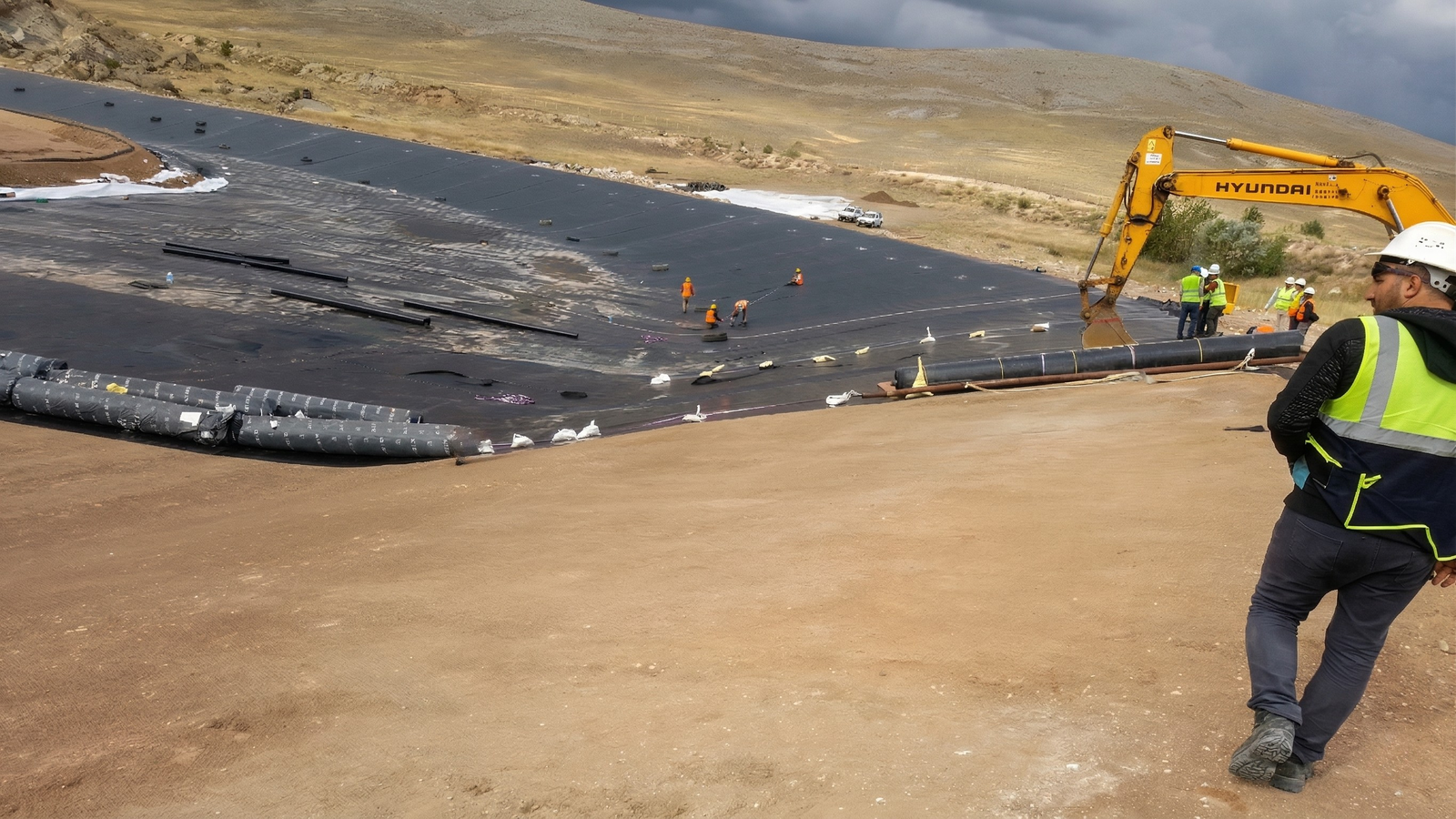
Proper design, installation, and operation of mine waste storage sites are crucial, because the waste will be stored long-term and the spread of harmful substances into the environment will be prevented. Therefore, the design, installation, and operation of mine waste storage sites must be carried out in accordance with all necessary environmental and health standards.
Using geomembranes in mine waste storage sites is an important method for storing waste and preventing the spread of harmful substances into the environment. Because geomembranes are waterproof and durable, their use in mine waste storage sites is an ideal choice.
Geomembranes can be used as walls or as top covers for mine waste storage sites. When used as walls, geomembranes prevent the spread of waste into the environment and stop water from passing through the waste, thereby preventing water from containing harmful substances. When used as a top cover, geomembranes protect the waste with a waterproof layer and prevent water from passing through the waste.
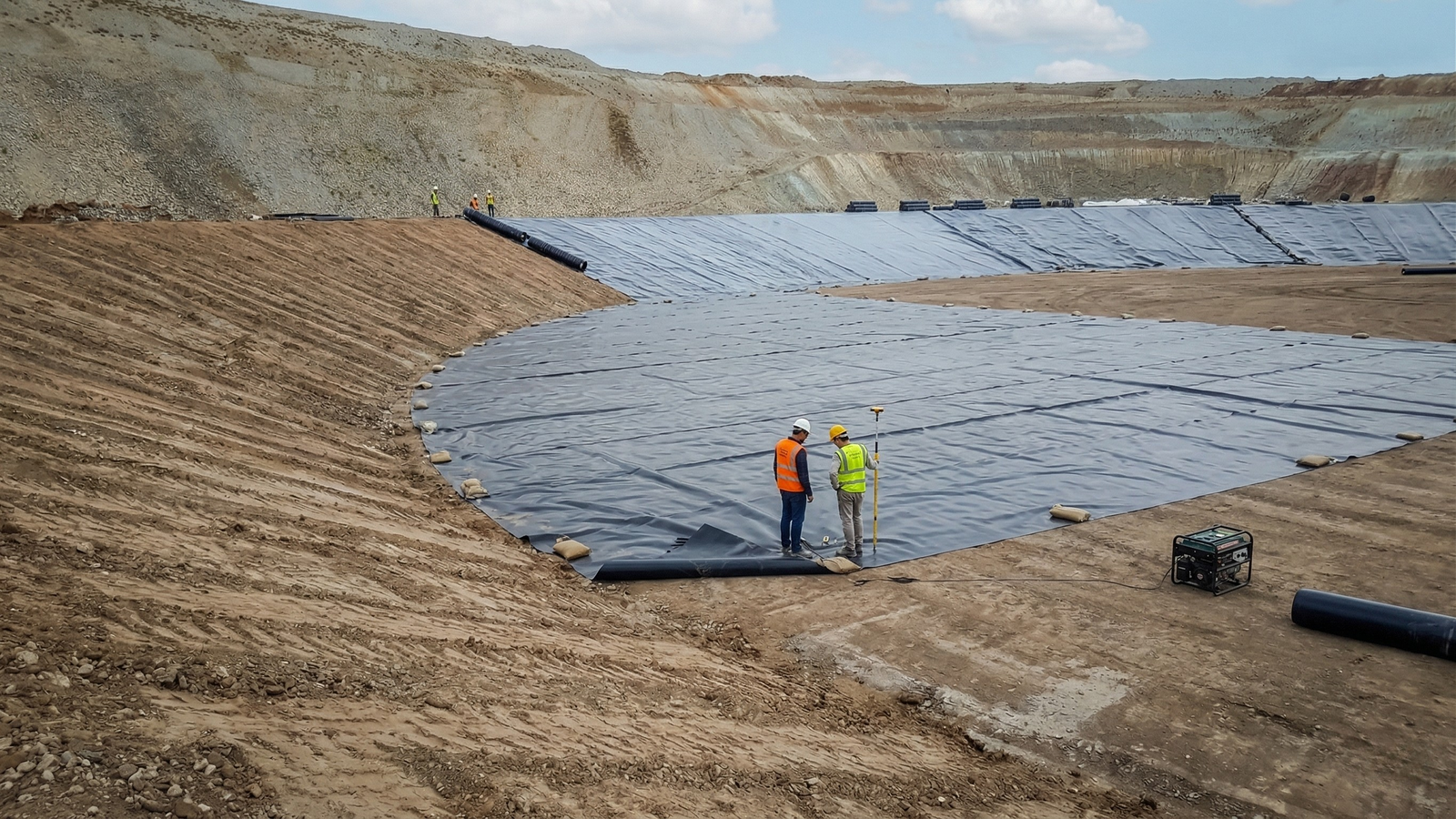
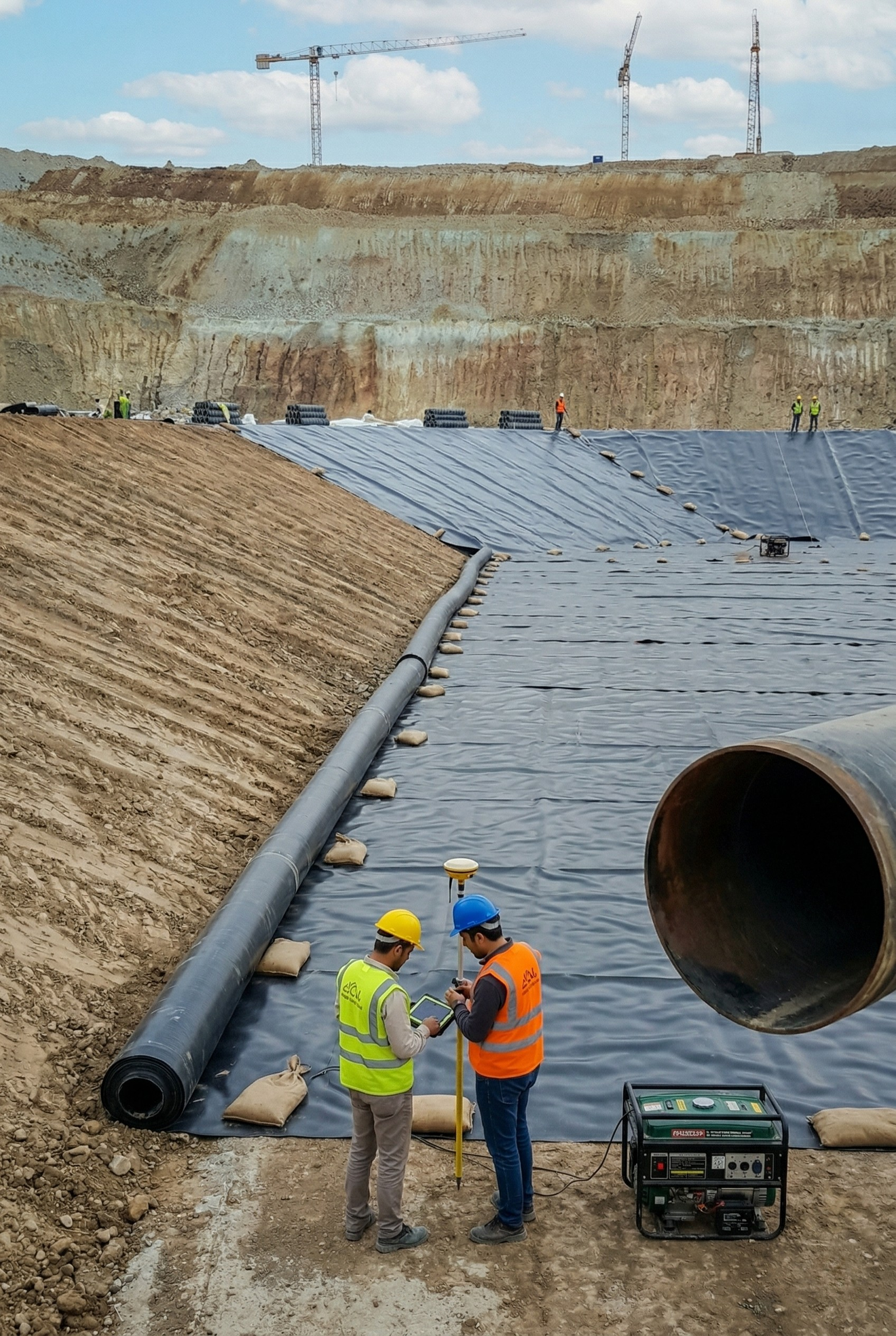
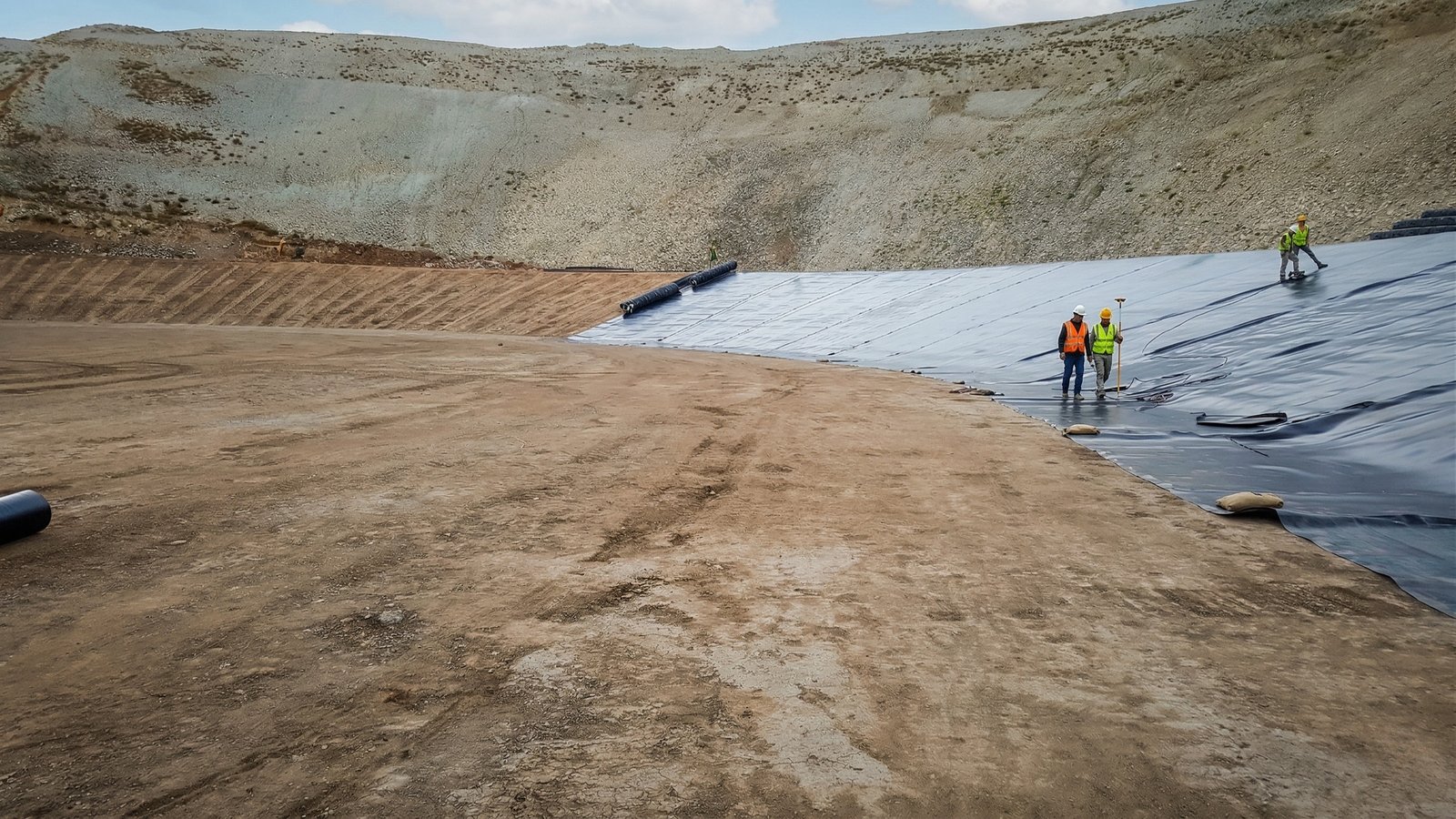
Use of geomembranes in mine waste storage sites is an important method for safely storing waste over the long term and preventing the spread of harmful substances into the environment. Geomembranes simplify the design, installation, and operation of mine waste storage sites with their easy installation, affordable cost, and durability. The application of geomembranes in mine waste storage sites is a technique used for environmental protection, preventing water infiltration, and preventing soil contamination. Here are the details of geomembrane application in mine waste storage sites.
**Geomembrane Application in Mine Waste Storage Sites**
Mine operations must regularly store waste generated from their activities. Contact of these wastes with the environment and groundwater can lead to serious environmental and health problems. Geomembrane application is used in such sites to prevent waste water from infiltrating into the soil and to prevent environmental pollution.
When Was This Application First Started to Be Used
Geomembrane applications were first used in the late 1950s and early 1960s to prevent water seepage and for environmental protection purposes. During this period, the industrial development of plastic polymers and synthetic materials made the use of geomembranes possible. Geomembranes offered a new solution in the fields of environmental engineering and water resources management.
One of the first areas where geomembrane applications were used was the reinforcement and waterproofing of dams and water storage structures. Later, they began to be widely used in various areas such as mine waste storage sites, industrial waste storage areas, irrigation ponds, and wastewater treatment plants.
This technology has evolved over time, with various material options, application methods, and test protocols developed. Geomembranes play an important role in areas such as protecting water resources, preventing soil contamination, and safely storing industrial waste as part of environmental protection and sustainability efforts.
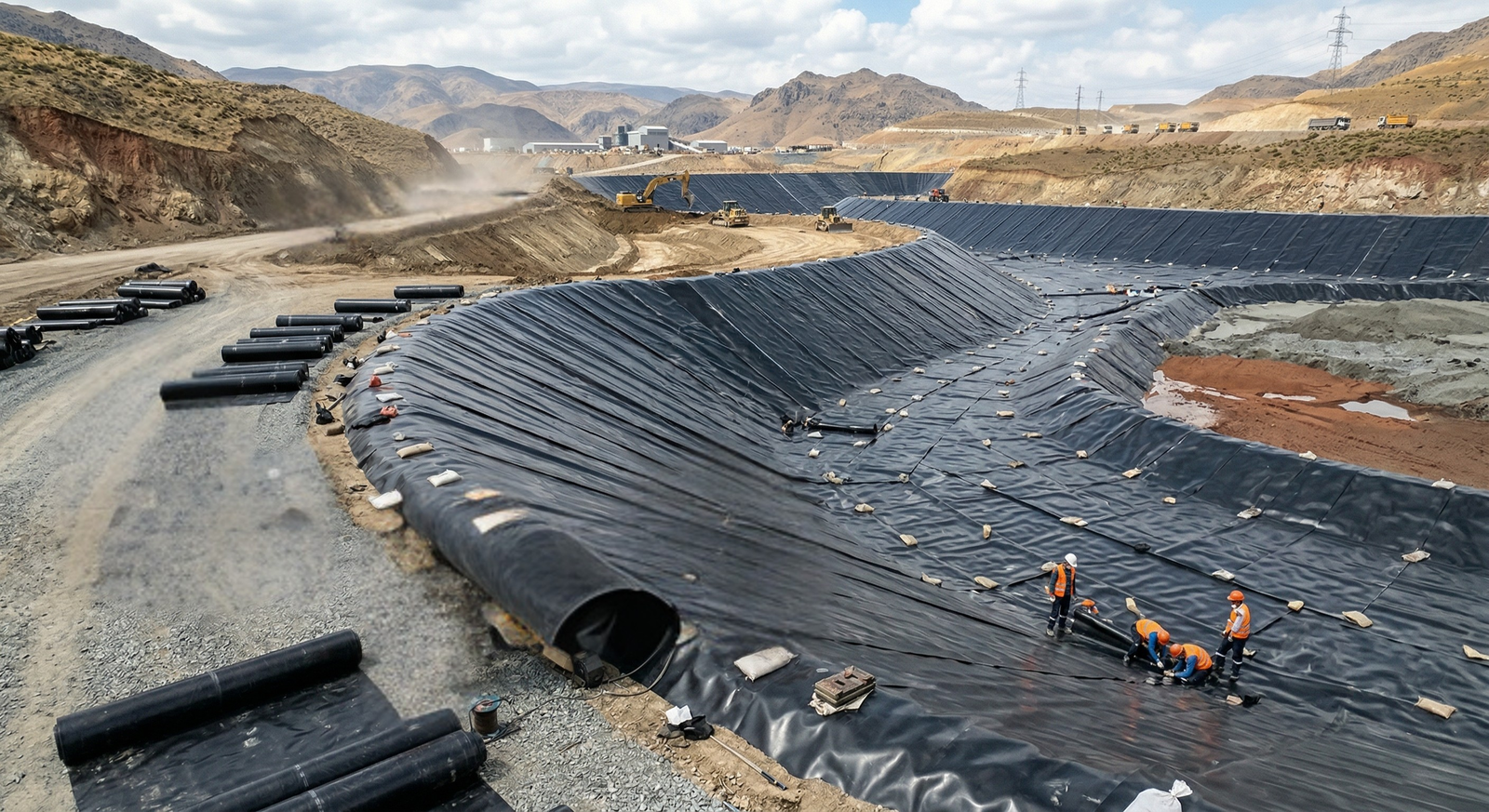
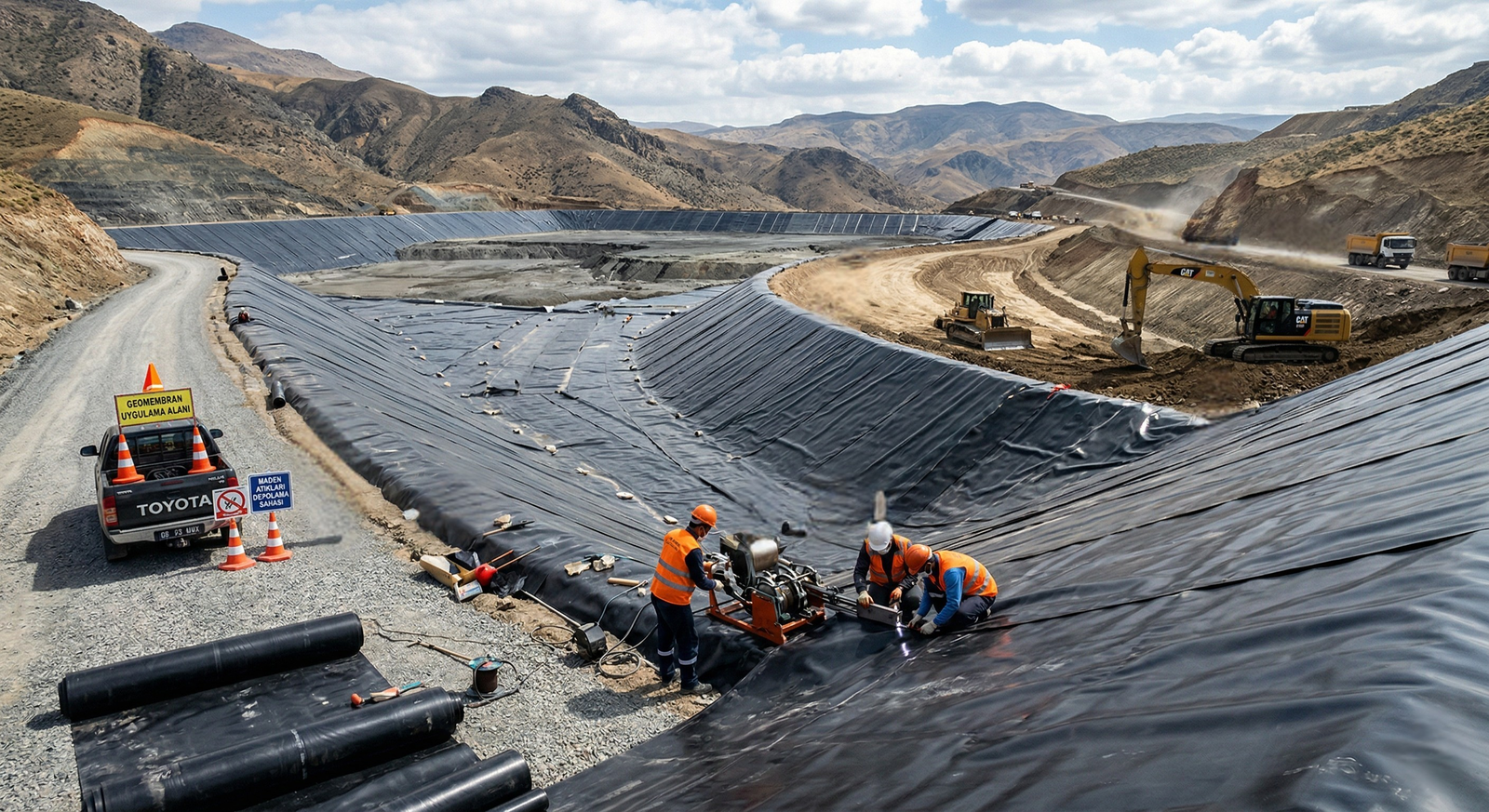
Steps for Geomembrane Application in Mine Waste Storage Sites:
Site Preparation:
The soil and topographic characteristics of the storage site are examined. The ground is leveled, smoothed, and compacted.
Geomembrane Selection:
A geomembrane material suitable for the project's requirements is selected. Materials such as polyethylene (PE), polypropylene (PP), and polyvinyl chloride (PVC) are preferred.
Geomembrane Laying:
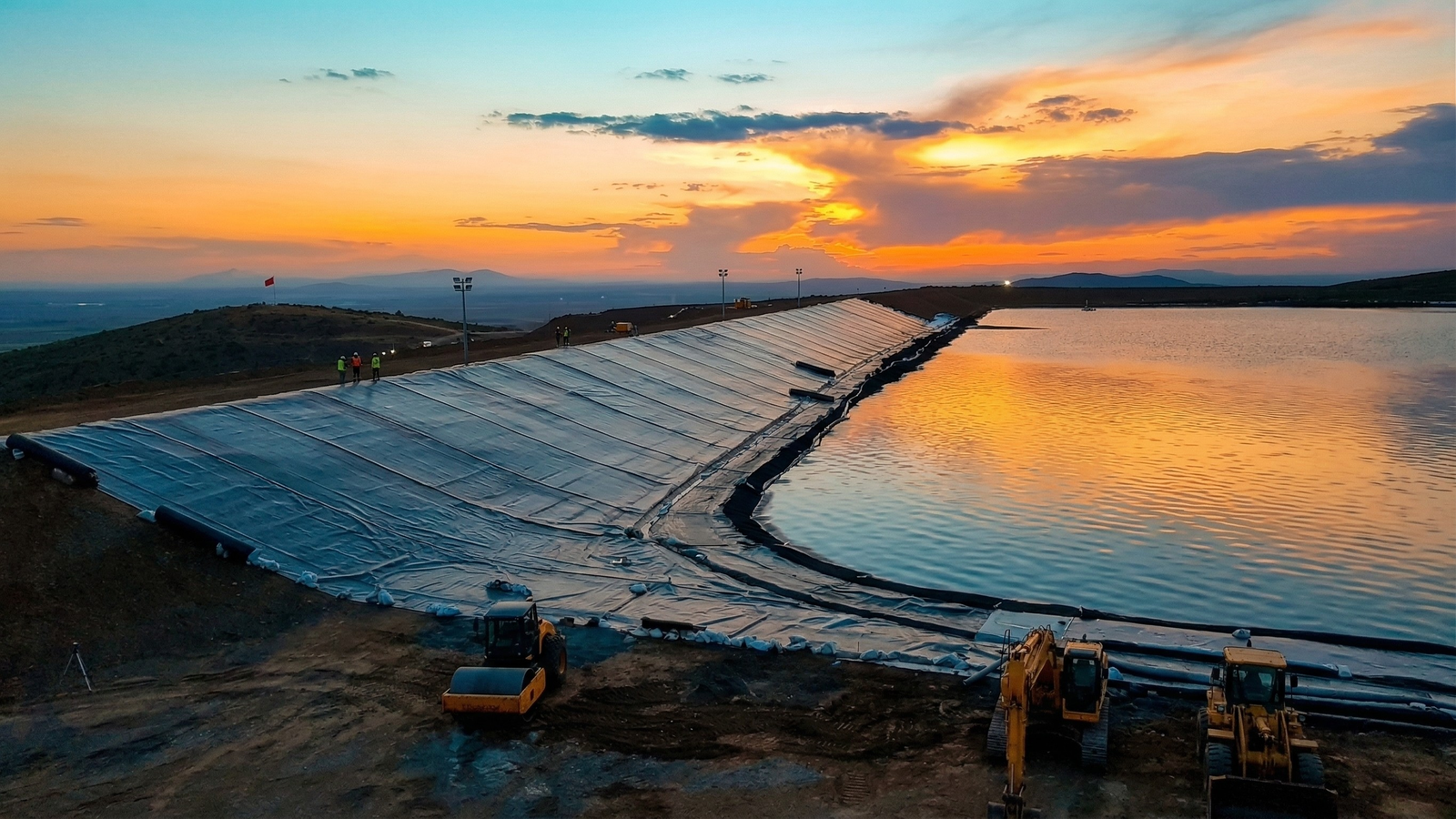
The geomembrane placed on the ground is carefully laid over the base and side surfaces of the waste site. Edge joints are sealed with a welding machine to ensure impermeability.
Drainage and Collection Systems:
Drainage and collection systems are installed on top of the geomembrane. These systems collect rainfall and waste water and direct them for processing.
Waste Piles:
Mine waste is poured onto the geomembrane in a controlled manner. The waste is regularly placed and compacted.
Use of Geotextile:
Geotextile material is placed over the geomembrane. Geotextile protects the geomembrane from physical damage and facilitates waste placement.
Closure and Backfilling:
After the waste piles are completed, the area is backfilled with soil to perform the closure. This keeps the geomembrane in place.
Leakage Control:
Thanks to the geomembrane application, it prevents waste water from seeping into the soil and prevents environmental pollution.
Advantages of Geomembrane Application in Mine Waste Storage Sites:
Prevention of Soil and Water Pollution:
Geomembranes prevent soil and water pollution by preventing waste water from mixing with groundwater.
Prevention of Soil Erosion:
Geomembranes placed over waste piles prevent soil erosion and movement.
Environmental Protection:
It protects the environment and ecosystems from the adverse effects of waste water.
Preventing Water Loss:
Geomembranes prevent evaporation and seepage of water in waste piles.
Energy and Cost Savings:
Preventing leaks saves energy and costs in reprocessing and pumping waste water.
Geomembrane application is an effective solution to ensure environmental sustainability in mine waste storage sites and protect water resources. Proper and professional implementation of the application helps achieve environmental protection goals.
Which Countries Are Actively Using It?
Geomembrane applications in mine waste storage sites are used in various countries around the world for environmental protection and water resource management. Such applications are especially common in regions where the mining industry is dense. Here are examples of countries where geomembrane applications are actively used in mine waste storage sites:
**United States:** The U.S., with its large mining industry, widely uses geomembrane applications in mine waste storage sites.
**Australia:** In areas with intensive mining activities, water management and environmental protection are important. Therefore, geomembrane applications are frequently encountered in Australia.
**Canada:** In Canada, where the mining industry is significant, geomembrane applications are used for environmental protection.
**Brazil:** In countries like Brazil, mining activities are intense, especially the extraction of raw materials such as iron ore and bauxite. Therefore, geomembrane applications are important in mine waste storage sites.
**Chile:** Chile is a major copper producer, and thus mine waste management and environmental protection are important.
**South Africa:** In South Africa, where the mining industry is influential, geomembrane applications are used for environmental protection.
**Peru:** Peru is rich in mineral resources and places importance on mine waste management.
**Turkey:** In Turkey, mining activities and environmental protection are among the factors that necessitate the use of geomembrane applications.
**China:** Due to the size of its mining industry, geomembrane applications are also found in mine waste storage sites in China.
**Indonesia:** In Indonesia, where coal, gold, and other mineral resources are extracted, geomembrane applications are used.
The reasons for using geomembrane applications in mine waste storage sites in these countries are their high importance for environmental protection, water resource management, and preventing soil and water pollution.