MZ Ticaret
MZ Ticaret
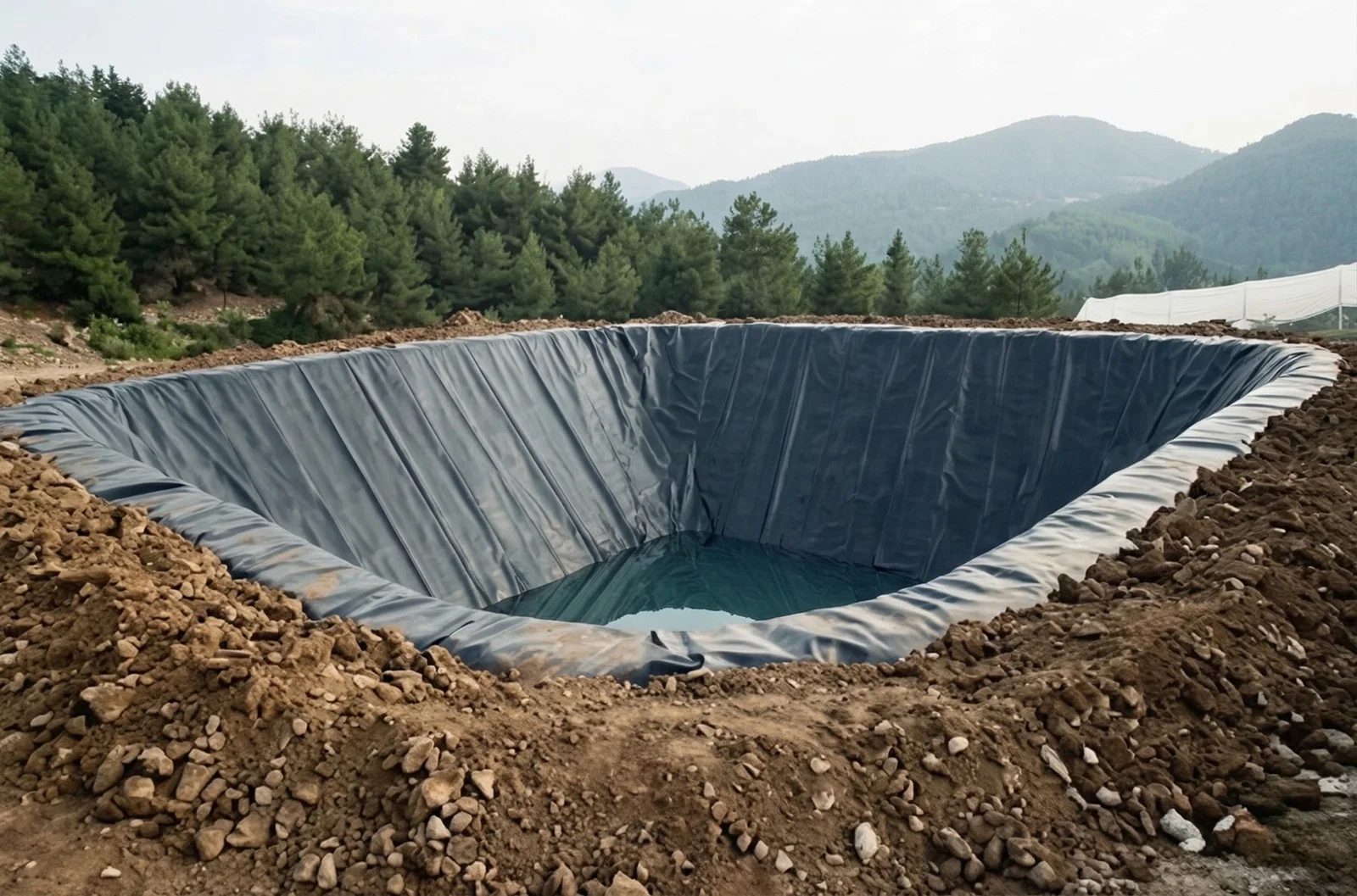
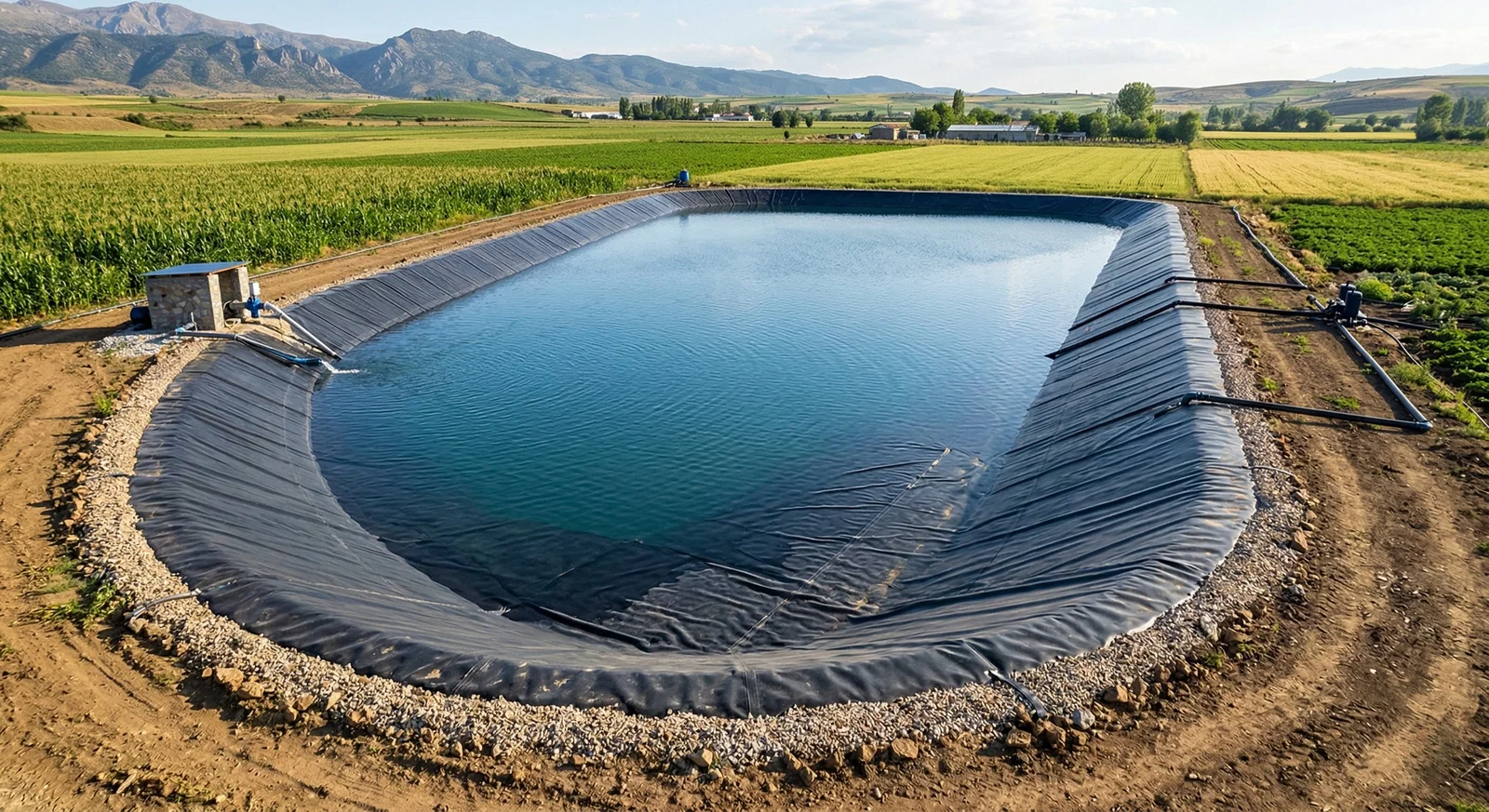
Left image
Geomembrane in Artificial Agricultural Ponds is a material used to perform water retention and drainage functions. Geomembrane is used in agricultural ponds to prevent soil and water loss from agricultural areas, improve the quality of the plant cultivation environment, and increase productivity. Additionally, geomembrane is used to help artificial agricultural ponds maintain water quality and reduce their environmental impact. Because geomembrane is durable, waterproof, and long-lasting, it is an ideal choice for preventing water loss in artificial agricultural ponds, facilitating water storage and drainage, and making a long‑term agricultural investment.
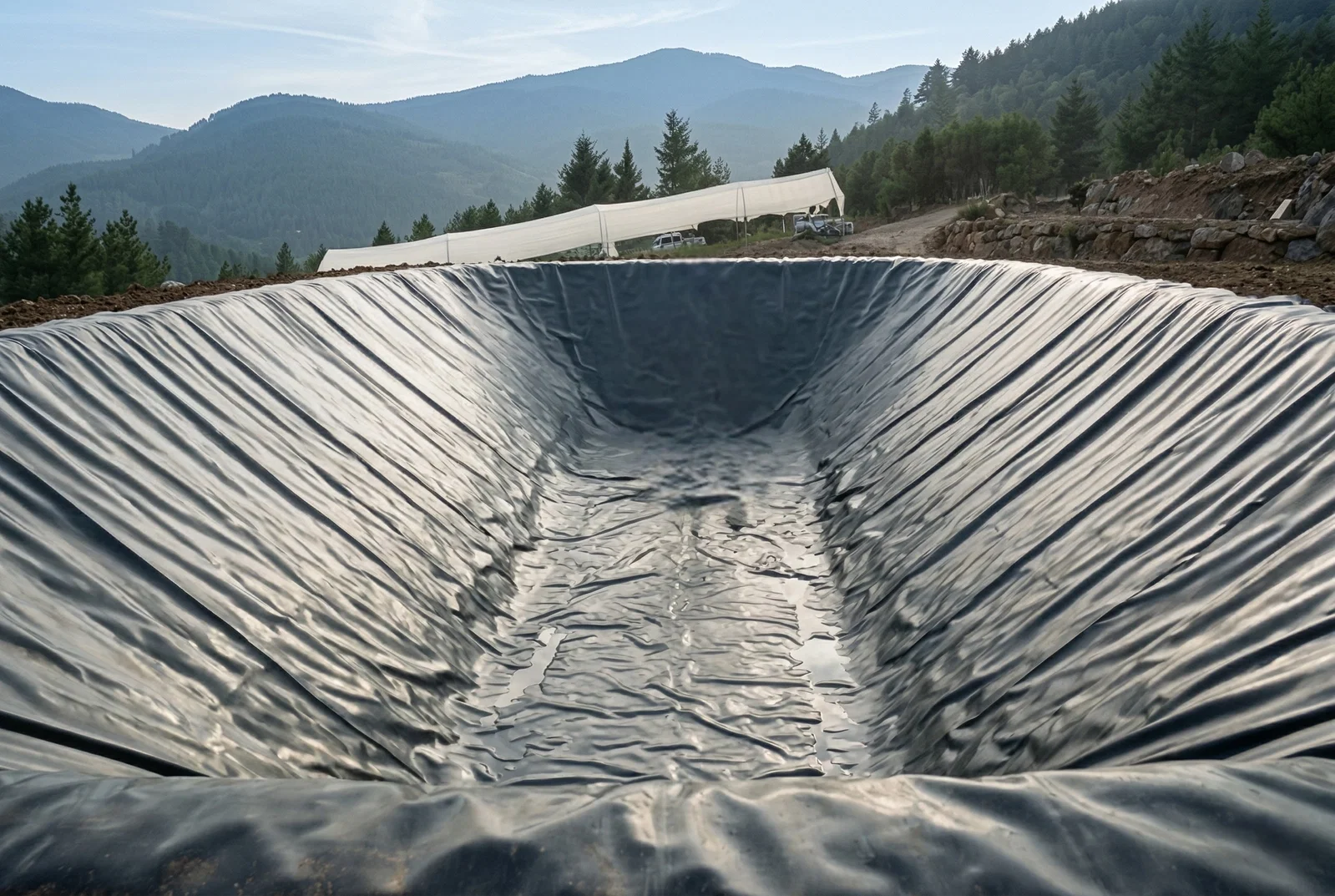
Right image
Advantages of using geomembranes in artificial agricultural ponds are as follows: Reducing water loss: Geomembrane prevents soil and water loss, ensuring efficient use of water in artificial agricultural ponds. Increasing productivity: Geomembrane improves soil and water quality, helping plants grow more efficiently. Environmentally friendly: Geomembrane reduces environmental impacts and prevents water loss, contributing to environmental protection. Durability: Because geomembrane is waterproof and long‑lasting, it is an ideal choice for preventing water loss in artificial agricultural ponds and making a long‑term agricultural investment. Easy installation: Geomembrane facilitates the installation and operation of artificial agricultural ponds with its easy installation and affordable cost. What is a geomembrane? Geomembranes are flexible and durable water‑sealing materials made from plastic materials such as polyethylene (PE), polypropylene (PP), and polyvinyl chloride (PVC). They are used to prevent water from leaking and to store water in artificial ponds. They come in different thicknesses and material types and are selected according to the project's requirements.
First image
Second image


Geomembrane Application in Artificial Agricultural Ponds
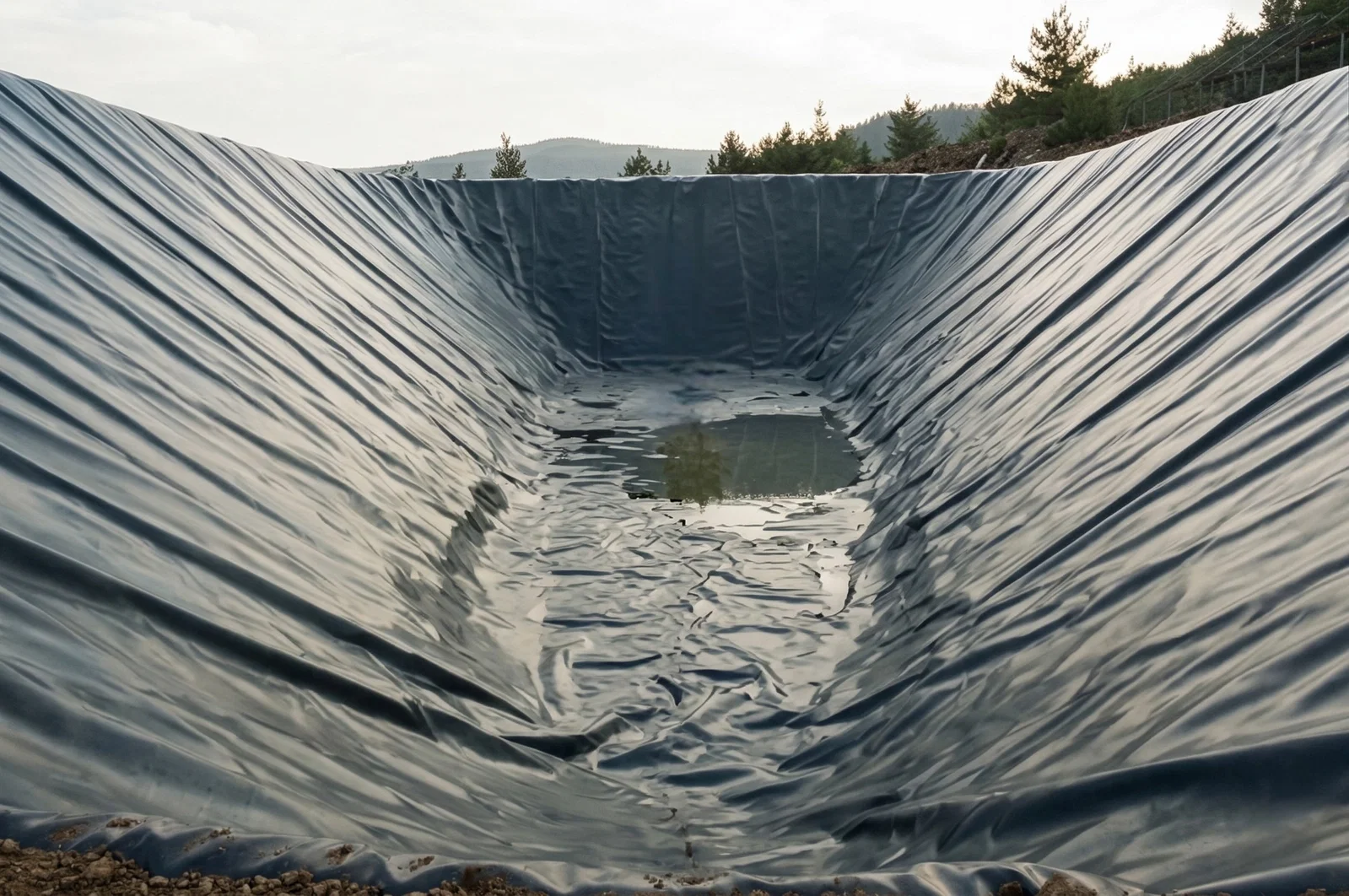
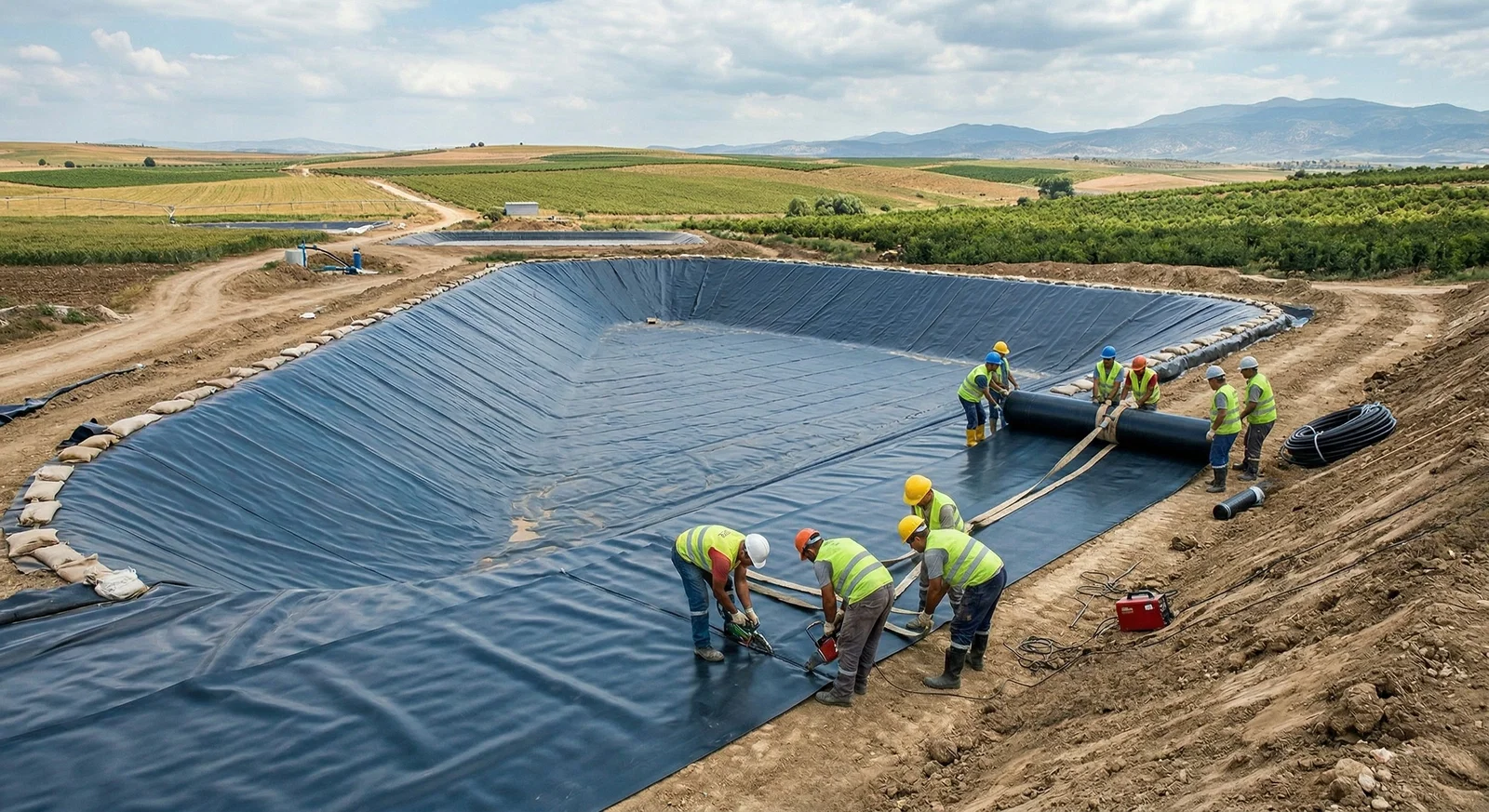
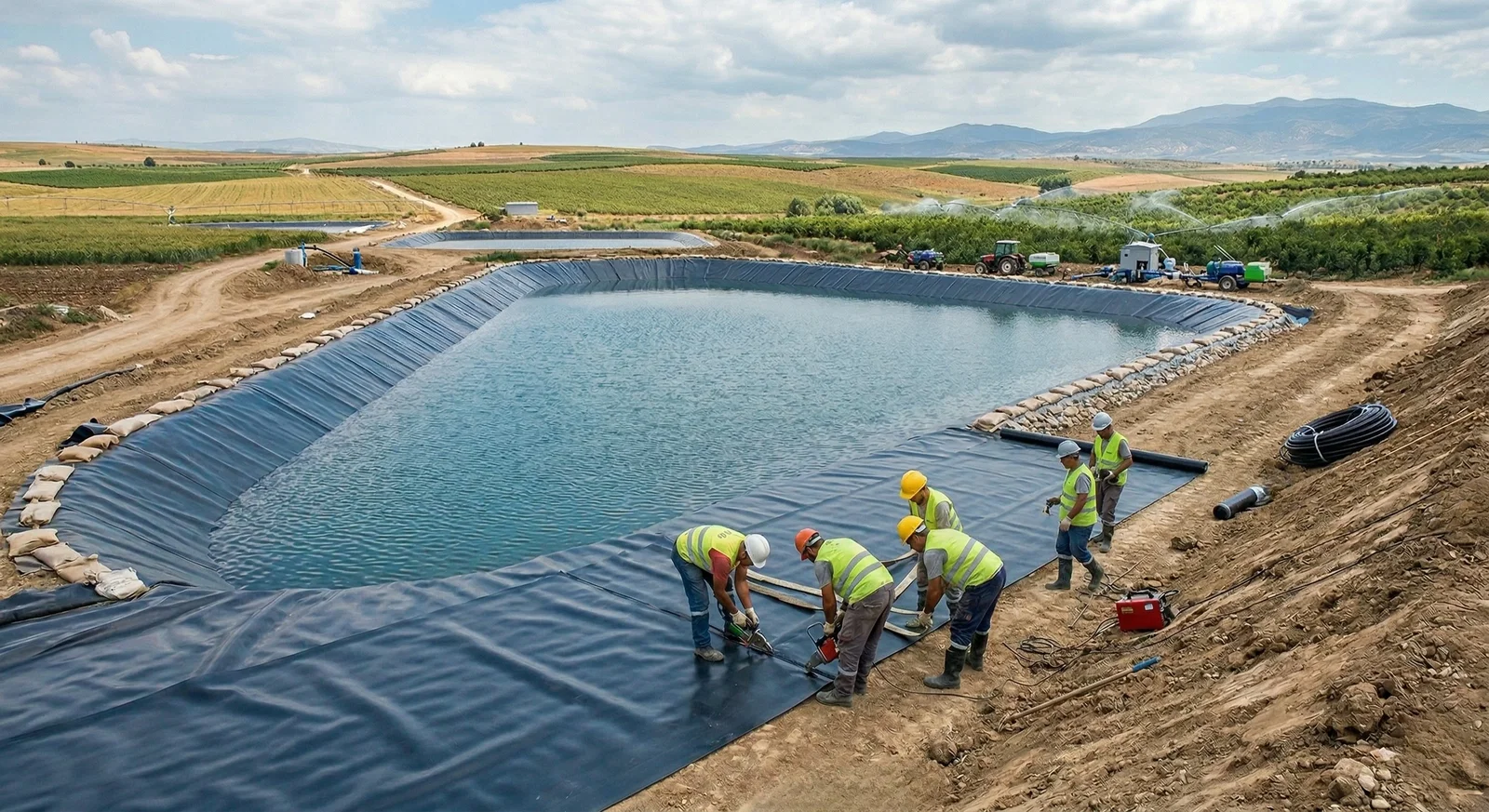
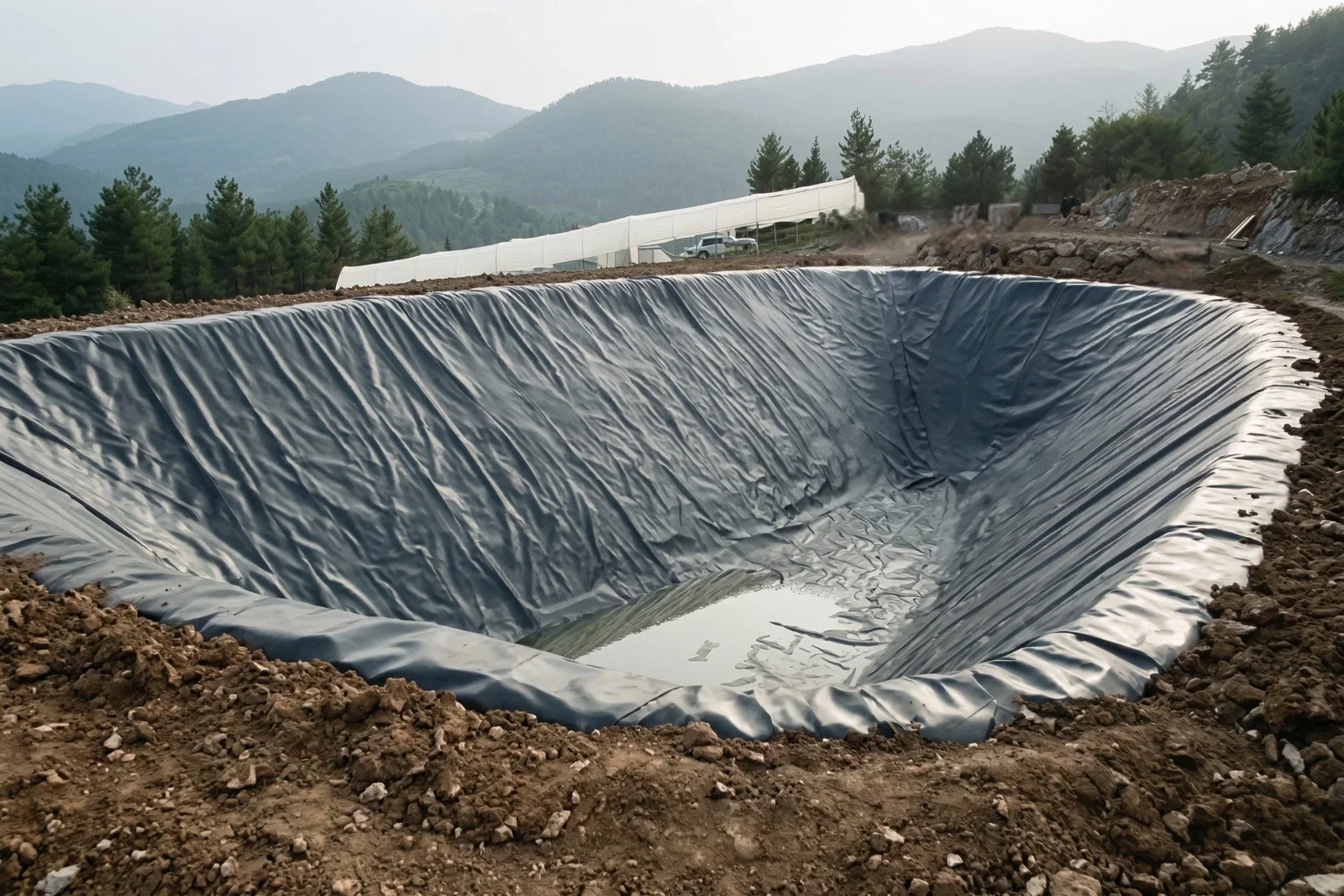
Artificial agricultural ponds are structures created for storing irrigation water, reserving water for irrigation periods, and water management. Geomembranes are used to increase the water-holding capacity of these ponds and prevent evaporation and seepage. Geomembranes are placed on the pond bottom and side surfaces, preventing seepage and enabling water storage.

Geomembrane Application Steps:

Soil Preparation: The pond area is cleaned and leveled appropriately. The ground is made smooth and compact.
Geomembrane Selection: A geomembrane material suitable for the project is chosen. The material type is determined based on factors such as the pond size and the chemical composition of the water.
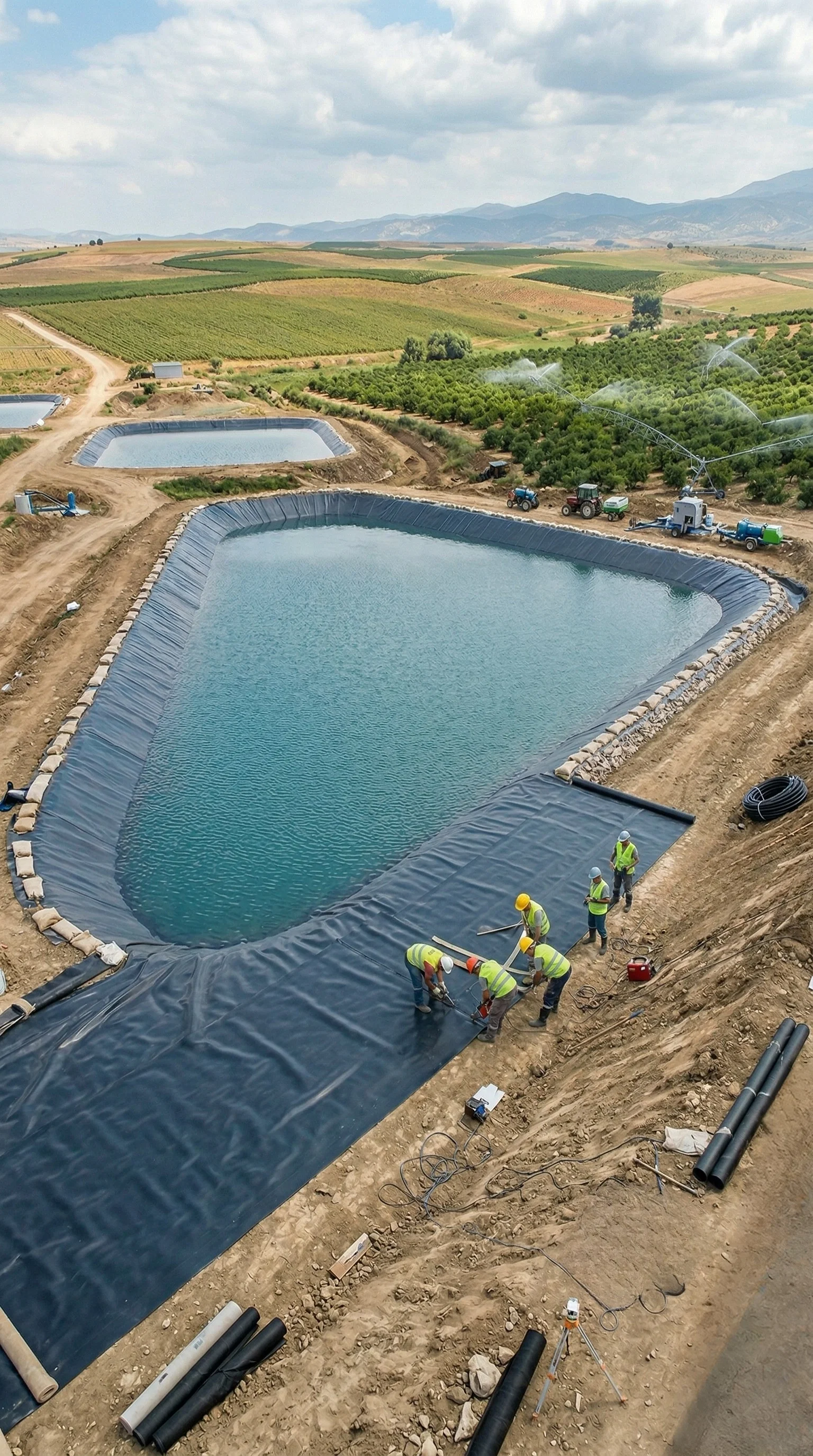
Geomembrane Laying: The geomembrane placed on the ground is carefully joined to the pond bottom and side surfaces. Edge joints are sealed with special welding machines to ensure impermeability.
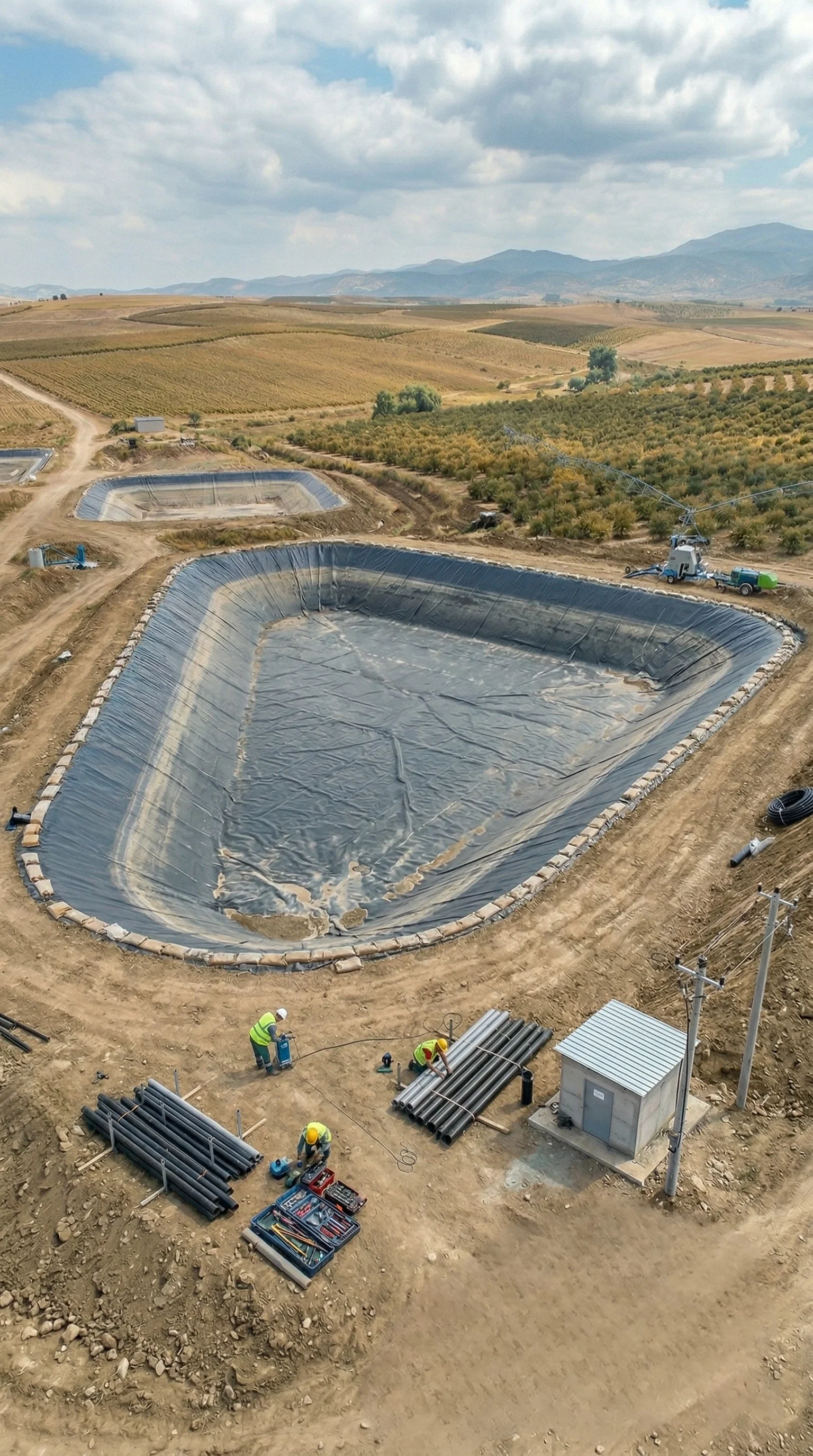
Accessories and Details: Accessories such as drainage pipes and control valves are added to balance the water level above the geomembrane and to allow drainage when necessary.
Soil Filling and Closure: Soil is filled over the geomembrane and the pond is closed. The soil fill keeps the geomembrane in place and, by balancing water pressure, prevents leakage.

Advantages of Geomembrane Application in Artificial Agricultural Ponds:

Impermeability: Geomembranes provide water impermeability, thereby minimizing water loss.
Storage Capacity: Geomembranes can increase the storage capacity of the ponds.
Water Quality: Impermeability prevents the water from mixing with groundwater, thereby preserving water quality.
Efficiency: Regular irrigation and water management can increase agricultural productivity.
Longevity: High-quality geomembranes provide long life and reduce the maintenance needs of the ponds.
In conclusion, geomembrane application in artificial agricultural ponds is an effective solution for water management and storage. Geomembranes minimize water loss by preventing seepage and increase agricultural productivity. With proper material selection and careful implementation, it contributes to the sustainable management of water resources.
First image
Which Countries Use Geomembranes Intensively? Geomembrane applications are used extensively in many countries worldwide because they are employed in various sectors such as water management, construction, mining, and agriculture. However, they are especially more commonly used in areas where water scarcity is experienced, in order to manage water resources effectively and store water. Here are some countries and regions that use geomembrane applications intensively: **United States:** Geomembrane applications are widely used in agriculture, construction, and water management projects. They are frequently seen in projects such as water reservoirs, irrigation ponds, and wastewater storage areas. **China:** China uses geomembrane applications intensively for irrigation projects and water storage areas due to its large population and significant role in the agricultural sector. **India:** India uses geomembranes widely in agricultural projects and water storage areas because it is a country with high irrigation needs. **Australia:** Due to the presence of arid regions, water management is of great importance. Geomembranes are frequently used in irrigation, mining, and industrial projects. **Saudi Arabia:** Due to dry climate conditions, effective water storage and management are required. Therefore, geomembranes are preferred in water storage projects.
First image
Second image
Brazil: Geomembranes are heavily used in irrigation ponds and agricultural projects. South Africa: In areas at risk of drought, geomembranes are frequently chosen for irrigation projects and water storage areas. France: Like many European countries, France uses geomembrane applications in water management projects. These countries use geomembrane applications extensively because of the need to use and store water resources efficiently. However, this technology is also widely used in construction, environmental protection, and industrial projects in other regions. **What Should I Pay Attention to When Choosing an Application Company?** When you want to have a geomembrane application performed, choosing the right application company is very important for the quality, durability, and success of the project. Here are the key factors to consider when selecting an application company: **Experience and Expertise:** Find out how experienced the company is in geomembrane applications and whether they have worked on similar projects. Choose a firm that has a good understanding of the nuances and technical requirements of the application process. **References and Previous Projects:** Review the projects the company has completed before. By researching references, you can assess the company's work quality and customer satisfaction. **Licenses and Certifications:** The company should have the necessary licenses and certifications for geomembrane applications. This shows that the company is professionally and legally qualified. **Material and Technology Usage:** The company should use high-quality geomembrane materials and carry out the application using the latest technology and equipment. **Team Quality:** The company should have experienced and trained personnel. The technical knowledge and skills of the application team are critical for the success of the job. **Project Management and Planning:** The company should have an effective planning and management structure to ensure the project is completed on time and within budget. **Pricing:** When comparing prices in proposals, consider not only the lowest price but also the quality of service and the materials used. **Communication Ability:** It is important to work with a firm that can communicate well. Choose a firm that can keep you informed at every stage of the project and answer your questions. **Work Safety and Insurance:** Learn about the company's safety measures and insurance coverage. This protects you in case of any risk. **Warranty and Support:** Evaluate the warranty and after-service support offered after the job is completed. **Local Knowledge and Experience:** Choose a firm that understands the conditions of the region where your project is located and offers solutions tailored to local requirements. **Contract Details:** Pay attention to having a written contract that includes the scope of work, duration, cost, and other details. It is important to conduct research, evaluate references, and hold meetings to choose the right company. Selecting the correct application company is a critical step to successfully complete the project and achieve a smooth result in the long term.
First image
Technical Advantages Provided by Geomembrane Application in Artificial Agricultural Ponds: It is possible to analyze the advantages provided by geomembrane application in artificial agricultural ponds with numerical values. However, these values can vary depending on the project's characteristics, regional conditions, and the materials used. Below you can find the general advantages and numerical examples: **Reduction of Water Loss:** While losses can occur due to water seepage in traditional ponds, geomembrane application prevents water leakage. Traditional method: 20-30% water loss Geomembrane application: 1-2% water loss **Increasing Water Storage Capacity:** With geomembrane application, the pond's water storage capacity increases. Example: Traditional pond capacity: 1000 m³ Capacity after geomembrane application: 1200 m³ **Prevention of Water Pollution:** Subsurface water mixing with groundwater is prevented. Traditional method: 100 mg/L soil mixture After geomembrane application: < 5 mg/L soil mixture **Reduction in Energy and Chemical Use:** Reducing irrigation water loss lowers energy and irrigation costs. Energy savings: 15‑20% reduction Chemical usage: 10‑15% reduction **Prevention of Soil Erosion:** Soil erosion and movement around the pond are prevented. Erosion reduction: 80‑90% decrease **Increasing Irrigation Efficiency:** Regular and efficient use of irrigation water increases agricultural productivity. Water efficiency: 20‑30% increase **Extension of Project Life:** Thanks to geomembrane application, the lifespan of ponds is extended. Traditional pond lifespan: 10‑15 years Lifespan after geomembrane application: 20‑25 years **Return on Investment:** Factors such as reduced water loss, higher crop yield, and longer lifespan increase the return on investment. Example: Investment payback period of 5 years The above numerical values provide a general overview and may vary depending on the project's characteristics. Based on your project's details, you can calculate the advantages that geomembrane application will provide more specifically. Therefore, it is important to work with an expert to conduct a customized analysis of your project.
First image