MZ Ticaret
MZ Ticaret


GeoMat Erosion Control Systems: Technical Details and Application Advantages

GeoMat is an eco‑friendly engineering solution created by combining high‑density polypropylene (PP) fibers into a multi‑layered, three‑dimensional structure. It enables the construction of ecosystems by holding the soil in place during the “critical early stage” when vegetation has not yet developed.

Structural Features and Working Principle

The unique structure of GeoMat is an engineering marvel similar to a sandwich panel concept. The flat outer layers provide stability, while the central corrugated (wavy) structure gives the material a void‑filled volume. This void‑filled structure:

  • Velocity‑Reducing Effect: Breaks the kinetic energy of raindrops, preventing “sheet erosion.”

  • Root Retention Matrix: Allows plant roots to penetrate into this three‑dimensional network, creating an inseparable composite between plant, soil, and mat.

  • Water Drainage: Slows surface flow and facilitates water infiltration into the soil, feeding groundwater resources.
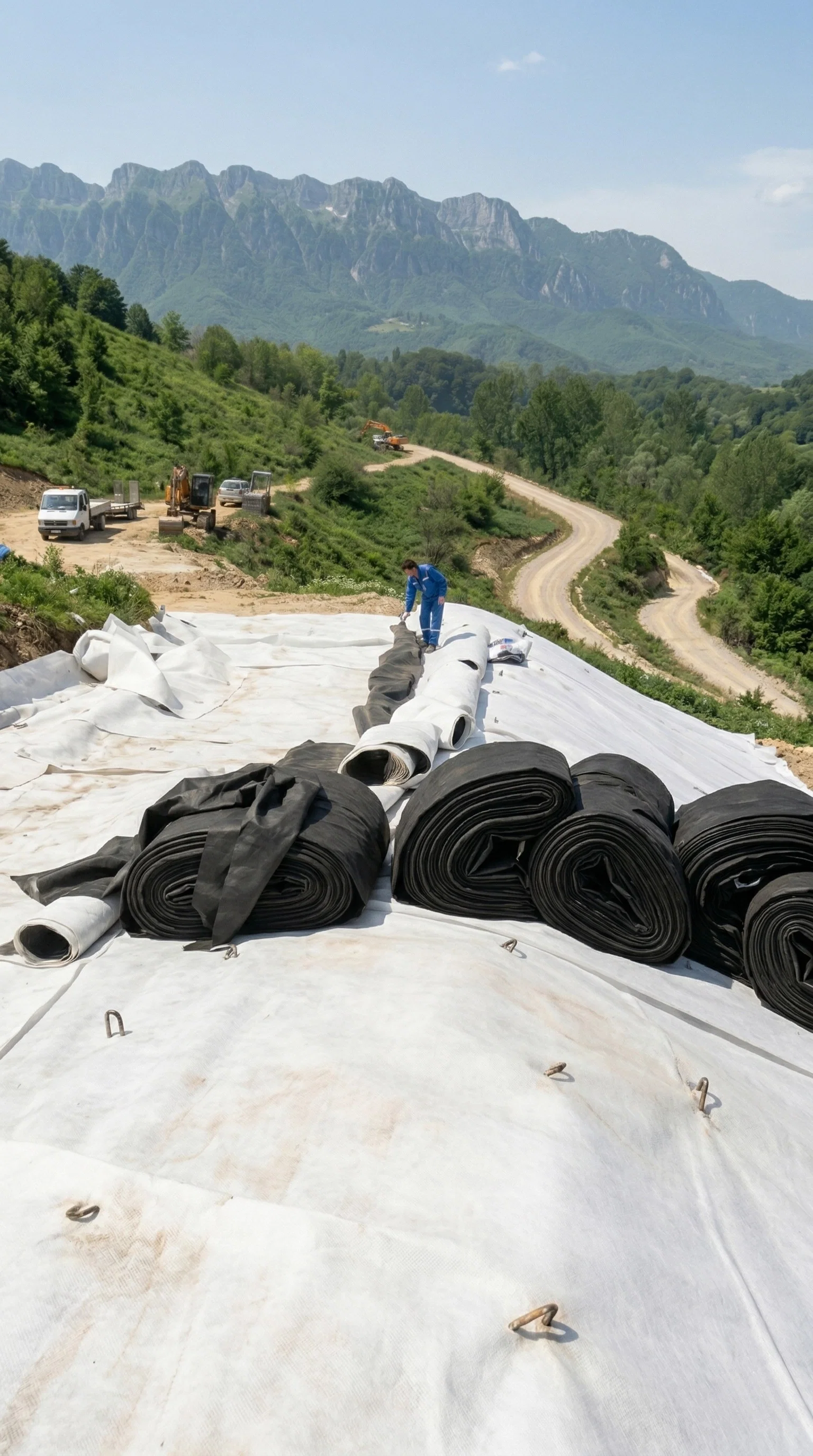
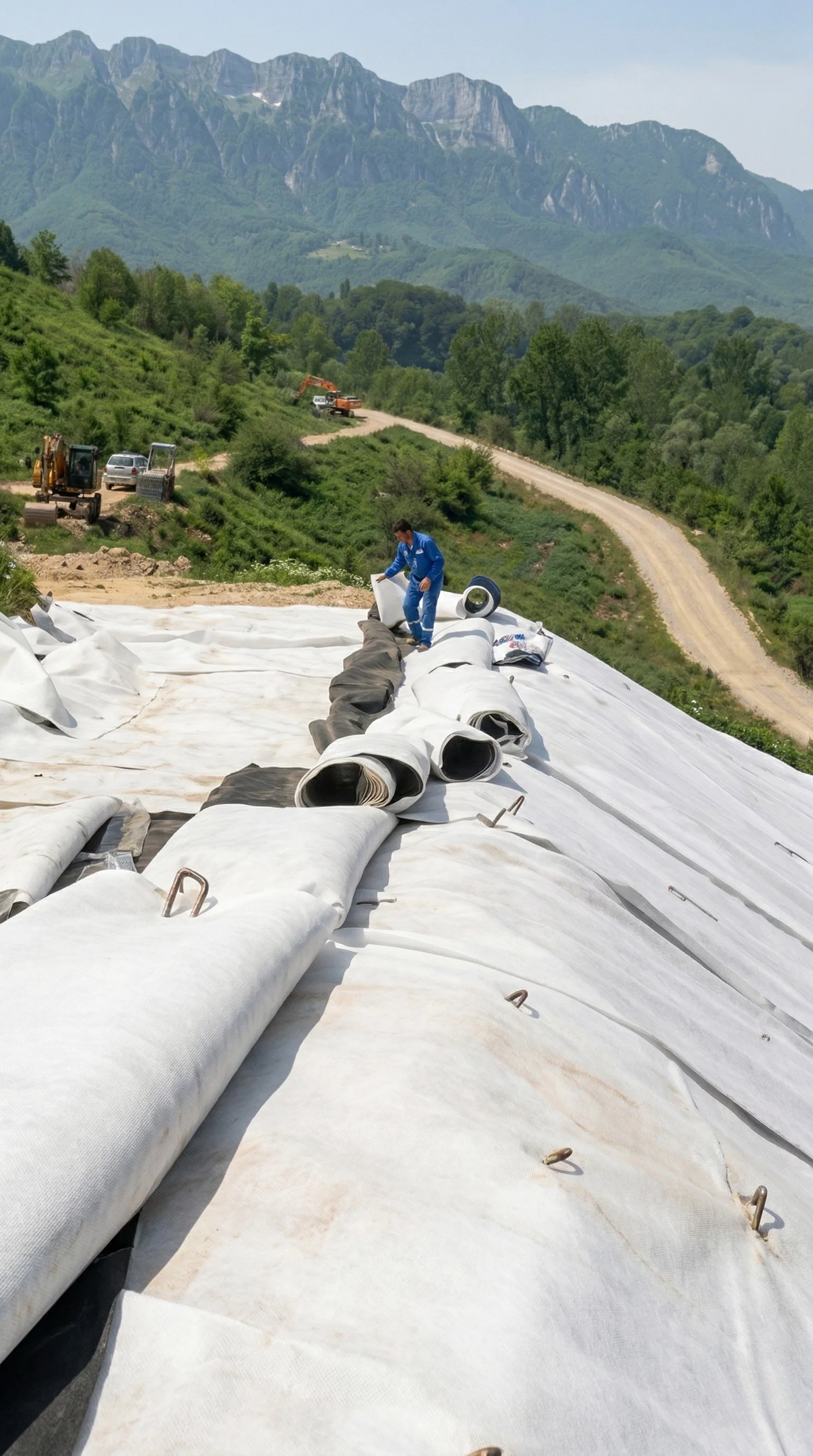
First image
Second image
Expanded Uses and Application Areas In addition to your current list, GeoMat is also preferred for the following purposes in challenging terrain conditions: Coastal and Port Projects: It is used as a filter and protective layer under stone fill to prevent coastal erosion caused by wave action. Solid Waste Storage Sites: It plays a critical role in stabilizing and vegetating steep slopes in the closure layers (final cover) of landfill sites. Urban Landscape and Steep Gardens: It provides aesthetic and lasting solutions on artificial fill slopes in parks and gardens where natural appearance must be preserved. Hydroelectric Power Plant (HES) and Dam Projects: It is ideal for preventing erosion of steep slopes surrounding water intake structures. Dry Canal and Stream Rehabilitation: It is laid to prevent the erosion of the base material in dry canal beds where water velocity is low. Application Method and Critical Steps To ensure the longevity of the application, the following steps should be followed: Site Preparation: The slope surface where the application will be performed must be cleared of foreign materials, large voids filled, and the surface leveled. Anchoring (Securing): GeoMat is embedded and secured into an anchor sleeve (usually 50 × 50 cm in size) cut into the upper part of the slope. This prevents the material from sliding downward. Detection Elements: For each square meter, 2–4 “U”-shaped steel pins (J-hooks) should be used according to soil hardness to ensure full contact between the material and the ground (no air gaps). Topsoil and Vegetation: After laying, a layer of vegetative soil is spread on top, and vegetation is established using hydroseeding (wet seeding) or traditional planting methods. Why Choose GeoMat? Flexibility: It fully adapts to any type of ground form and curvature. Durability: Thanks to its polypropylene structure, it shows high resistance to UV rays, chemicals, and biological degradation (rotting). Economical: It is a much cheaper and faster-to-apply alternative compared to rigid solutions such as concrete or stone walls.
First image